Nearly $4.9T sits in target-date funds — Suze Orman warns you may be ‘far better off’ on your own. Diversify your mix
Here is what Orman recommends instead.
Moneywise and Yahoo Finance LLC may earn commission or revenue through links in the content below.
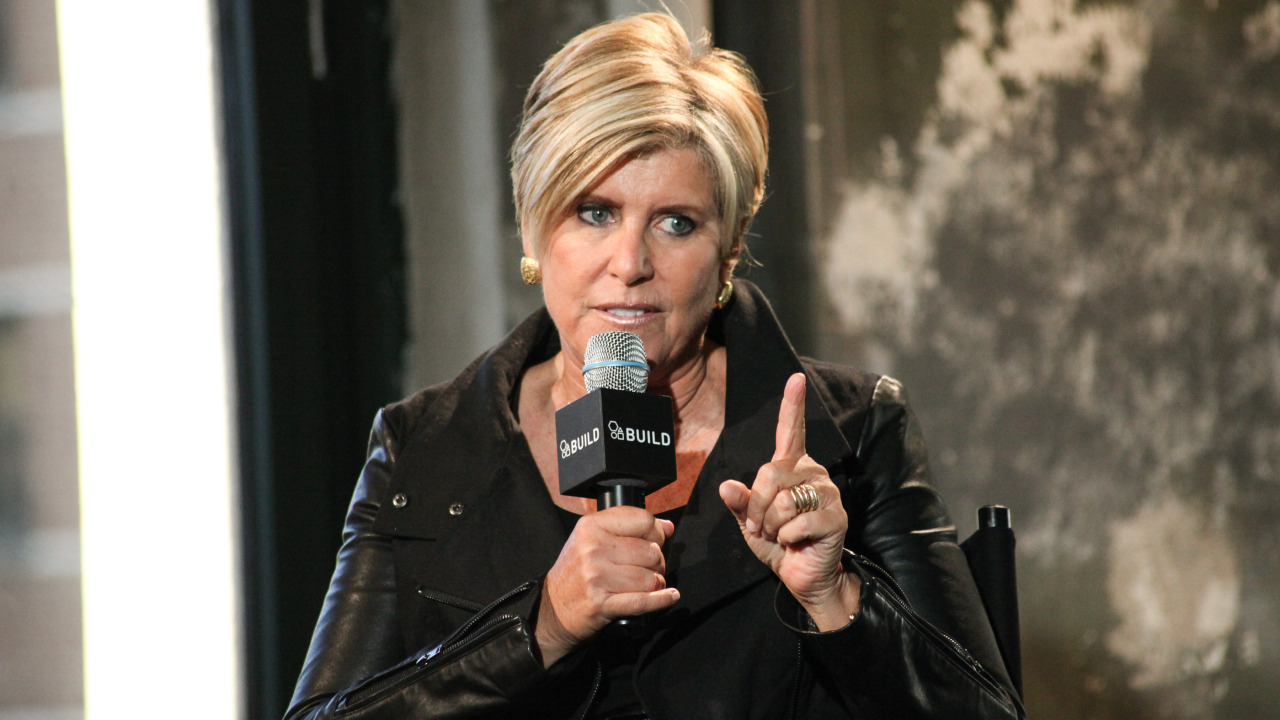
Suze Orman says Americans relying on one of the country's most popular retirement investments may be better off taking control themselves.
"You would be far better off doing it on your own than going into a target date retirement fund," Orman warns in an archival episode from her former CNBC program (1). The personal finance expert recently posted the clip to YouTube, reviving her warning about an investment holding nearly $4.9 trillion at the end of 2025 (2).
Jeff Bezos backs a platform that lets anyone invest in rental homes for as little as $100 — 6 ways to build wealth like a landlord without actually being one
JPMorgan sees gold hitting $5,000/oz by Q4 — and savvy investors are protecting their wealth with a tax-advantaged Gold IRA. Get your free guide from Priority Gold
The tax breaks in Trump's 'big beautiful bill' expire after 2028. Here are 4 moves to make before the window closes
Target-date funds automatically shift investors from stocks toward bonds as their expected retirement year approaches. They're built around an expected retirement year and bundle several stock and bond funds into one investment.
Many conventional mutual funds and ETFs maintain a relatively consistent strategy, such as tracking the S&P 500 or investing in bonds. A target-date fund changes its mix automatically, though. Its "glide path" gradually reduces your exposure to stocks and adds more bonds as your chosen retirement year approaches.
In practice, that means you could capture less of a strong stock-market rally later in life. Imagine a $100,000 target-date portfolio split evenly between stocks and bonds. If stocks gained 20% while bonds returned 4%, it would grow to $112,000. By contrast, a portfolio holding 80% stocks would reach $116,800, a difference of close to $5,000.
"I don't like target date mutual funds," Orman says, "because they simply decide how to invest based on age, not what's going on in the economy."
Orman added, "Bond funds are very dangerous if interest rates start to go up. If interest rates go up, the value of bonds goes down."
Rising rates can reduce existing bond prices, especially for longer-term bonds. Funds may recover as managers reinvest in newer bonds paying higher yields. The SEC (3) also warns that funds sharing a target year can have very different allocations, fees and glide paths.
Investors worried about stocks and bonds falling together can add another asset to the mix. Morningstar found (4) that gold gained about 70% in 2025, helping its broadly diversified test portfolio beat a conventional 60/40 portfolio by roughly five percentage points.
Topics in this story
Gathered from external sources. Rights to this text belong to whoever originally published it.