How to Play AMZN Stock as Amazon Unveils Project Mercury
Amazon wants to grow its same-day delivery hubs to more than 1,000 by 2031 through Project Mercury. Could that expansion give AMZN stock a fresh catalyst?
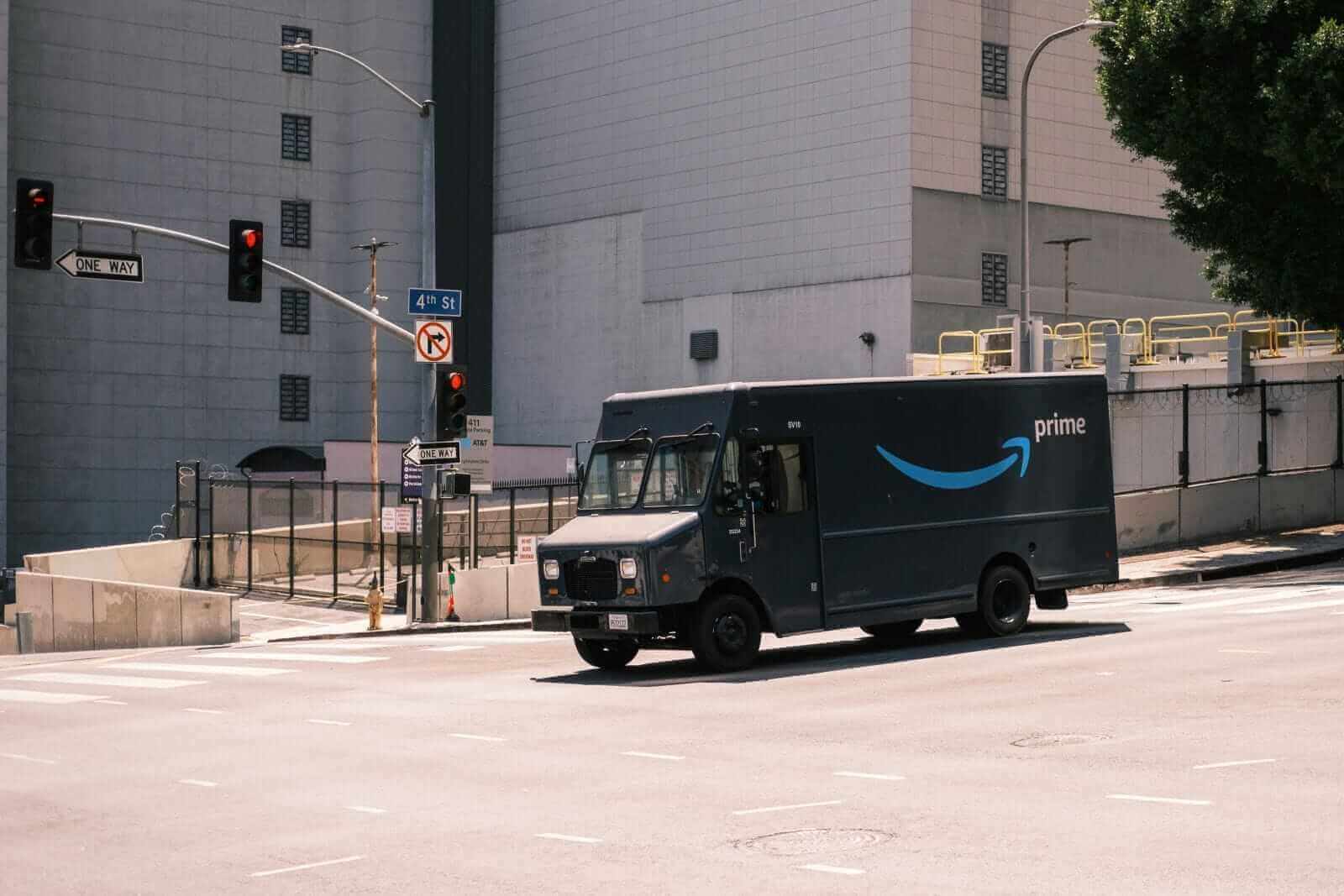
Amazon (AMZN) has spent years teaching customers to expect one thing—if you want it, it should probably be at your door sooner rather than later. That obsession with speed is now moving into another gear. Amazon is reportedly laying the groundwork for Project Mercury, an ambitious expansion of its same-day delivery network that could reshape how the company handles the final leg of its massive U.S. fulfillment operation.
Amazon is considering increasing its same-day delivery hubs from roughly 85 today to more than 1,000 by 2031. The idea is to put fulfillment facilities much closer to customers and make faster delivery less of a premium feature and more of the everyday Amazon experience. By 2031, the company reportedly wants 80% of U.S. Prime subscribers to live within a 10-mile straight-line radius of a same-day facility, compared with the roughly 90-minute driving distance used by many current locations.
But getting there will not come cheaply. Amazon's three-year operating plan reportedly includes $6.8 billion for U.S. same-day delivery capacity in 2026 and 2027. An internal analysis estimates Project Mercury could generate $7.1 billion in economic value over a decade and reach positive cash flow by 2030. Amazon, however, has emphasized that these are preliminary projections and could change materially.
That leaves investors with an interesting balancing act. Faster delivery could strengthen Amazon's competitive edge, but the upfront investment is substantial. And while AMZN stock has been grappling over the past few weeks but rising on the news project news, the question is where the Project Mercury fits into the investment story from here.
To that end, how should investors play AMZN stock after Amazon unveiled Project Mercury?
Amazon has come a long way from its beginnings as an online bookstore. Today, it sits at the center of U.S. e-commerce and the broader digital economy, with a market capitalization of roughly $2.65 trillion. Its reach extends well beyond retail, spanning cloud computing, digital advertising, streaming, smart devices, healthcare, and artificial intelligence.
Topics in this story
Gathered from external sources. Rights to this text belong to whoever originally published it.