New pancreatic cancer drug carries a $39,800 monthly list price: What to know
The FDA has approved a new pill for one of the most common forms of pancreatic cancer. What to know about managing the financial impact of a cancer diagnosis...
Some offers on this page are from advertisers who pay us, which may affect which products we write about, but not our recommendations. See our Advertiser Disclosure .
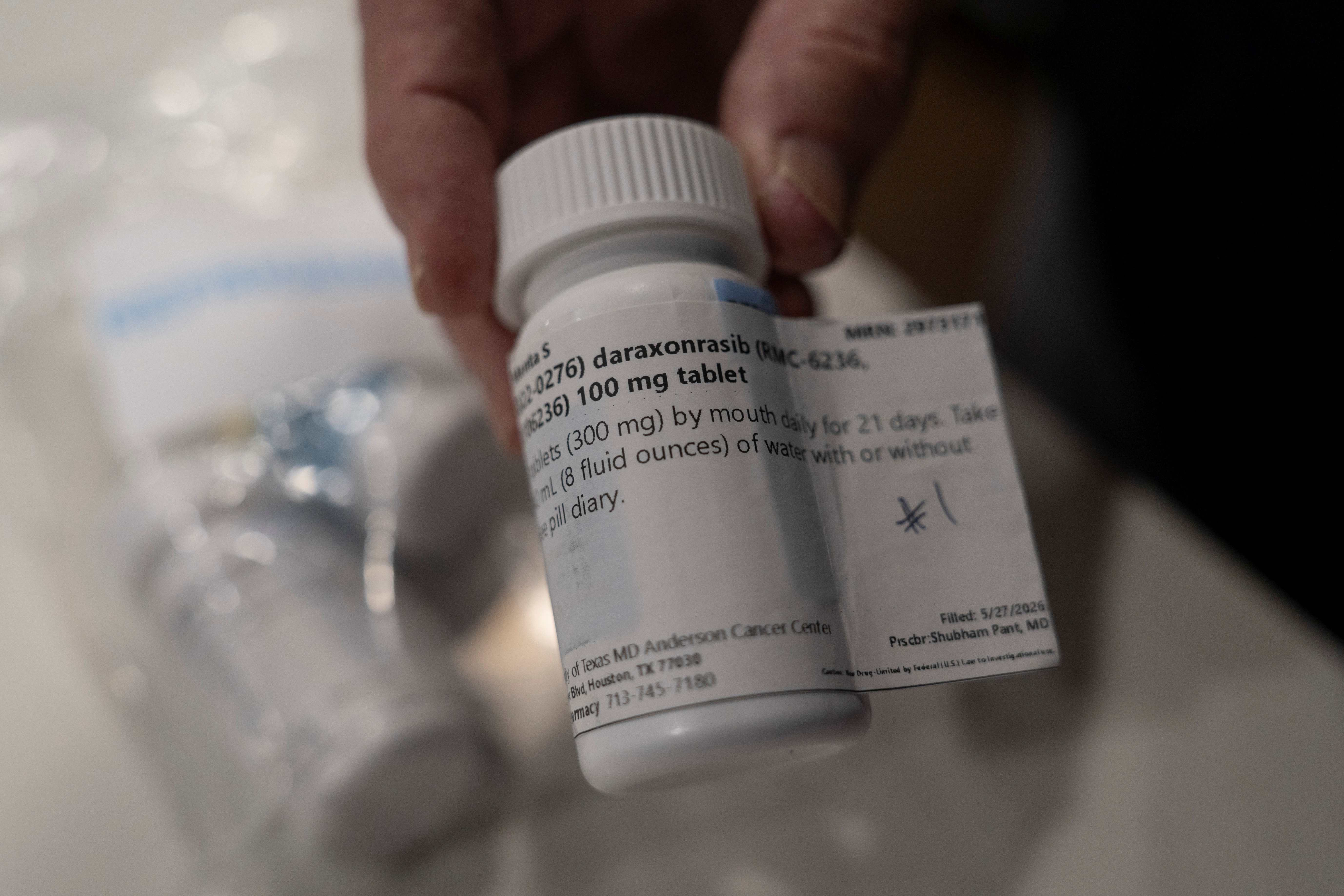
A groundbreaking treatment for one of the most common forms of pancreatic cancer has been approved in pill form by the FDA.
Revolution Medicines' oral tablet daraxonrasib, branded as Rasonque, reduced the risk of death by 60% in phase 3 trials. Patients who received the medication in trials lived 13.2 months, compared with those on chemotherapy, who survived 6.7 months.
The drug is approved for adults with metastatic pancreatic adenocarcinoma (PDAC). Pancreatic cancer is the third-leading cause of cancer death in the U.S. behind lung and colorectal cancers, according to the American Cancer Society.
However, the treatment comes with a steep list price of roughly $477,000 a year. What patients actually pay will depend on their insurance coverage and eligibility for financial assistance.
Double the cost of the top-selling cancer drug
In a filing with the Securities and Exchange Commission, Revolution Medicines said Rasonque has a wholesale acquisition cost, or list price before insurance discounts and rebates, of approximately $39,800 for a 30-day supply at the recommended daily dose, or about $477,000 per year.
Trade publication BioPharma Dive noted the figure is more than double the list price of Merck's Keytruda, the top-selling cancer medication.
The list price isn't necessarily what patients will pay, however. On the investor conference call held to announce the FDA approval on Wednesday, Revolution Medicines CFO Jack Anders said some eligible patients would be covered by Medicare Part D. Additional government discounts would lower the price by an estimated 20% to 30%.
The pharmaceutical company's (ON)Path program says it can help patients "find the best programs and resources to help you or your loved one start on treatment as soon as possible."
Revolution Medicines' investor call announcing Rasonque included a presentation stating that the drug could be purchased with "as little as $0 co-pay for eligible commercially insured patients."
A major advance in treating pancreatic cancer
Daraxonrasib is not a cure for pancreatic cancer but is a life-extending option for patients who have undergone chemotherapy with limited success.
The FDA approved the drug 35 days after accepting Revolution Medicines' application, citing it as a "critical new option for patients facing an extraordinarily difficult and historically hard-to-treat cancer."
The FDA noted the most common side effects as rash, diarrhea, inflammation of the mouth's mucous membranes, nausea, fatigue, vomiting, abdominal pain, edema, decreased appetite, and hemorrhage.
Anna Berkenblit, M.D., chief scientific and medical officer for the Pancreatic Cancer Action Network (PanCAN), called the FDA's approval "the most significant advance we have seen in the fight against pancreatic cancer, a devastating disease. In addition, an oral pill can offer a less burdensome treatment experience than standard intravenous chemotherapy."
Some 67,000 people are expected to be diagnosed with pancreatic cancer in 2026, according to the American Cancer Society. Because there are often few or no symptoms, most patients learn they have the disease after it has spread, and treatment options are limited.
Many private and government-sponsored insurance plans cover the cost of cancer medications and treatment; however, patients should understand their policy's coverage and possible out-of-pocket expenses.
Many insurance carriers require prior authorization for any treatment or medication.
Out-of-pocket expenses of up to $615 may apply to Medicare drug plans with a deductible. Some plans have no deductible.
After meeting the deductible, patients may face Medicare coinsurance costs of 25% until they reach the annual out-of-pocket cap.
Once out-of-pocket costs for covered drugs reach $2,100 in 2026, patients often enter "catastrophic coverage," after which their plan covers 100% of costs for the rest of the year.
For eligible low-income households, Medicaid may cover cancer medications, as well as screening tests, lab tests, doctor visits, and outpatient care.
Managing the financial impact of a cancer diagnosis
CancerCare, a nonprofit advocate for those facing the physical, emotional, and financial challenges of cancer, offers a free PDF booklet, " Managing the Cost of Cancer ." It details potential medical costs, increased living expenses, and ways to gain greater control over life and priorities.
Four steps for patients and families to get organized include:
Understanding health insurance: Review policy terms and use the booklet's guides to decipher insurance coverage details.
Keeping track of important papers , including storing copies of medical, health, and insurance records in one accessible location.
Maintaining a log of medical expenses and financial information.
Exploring available benefits , such as government financial assistance programs, veterans' benefits, support groups, or community social work services.
FDA approves first-of-its-kind cholesterol pill Lipfendra: What it will cost
The daily medication is expected to be list-priced at $10.50 per pill. Here's what to know about Merck's new cholesterol drug Lipfendra.
Paying cash for healthcare could help cut your medical bills
With discounts of up to 80% on medical costs, it's becoming increasingly difficult not to consider cash-pay healthcare.
Are GLP-1s tax deductible? How to deduct Ozempic, Wegovy, and other weight-loss drugs.
GLP-1s may be tax deductible, depending on why the drugs were prescribed. But doing so may not reduce your tax bill. Here's why.
TrumpRx expands discount drug offerings: What consumers should know
How TrumpRx may help you save money on prescription drugs — and other ways to lower the cost of your medications.
Medicare will cover GLP-1 weight-loss drugs for $50 per month. How you could save.
Medicare beneficiaries can get GLP-1s for $50 per month through a temporary program called Bridge. Here’s how to determine if you’re eligible.
Is pet insurance worth it? How to decide.
Wondering if pet insurance is worth it? It might be if you’d struggle to cover a big vet bill. Here’s how to weigh the pros and cons, the costs, and alternatives.
Topics in this story
Gathered from external sources. Rights to this text belong to whoever originally published it.