ShipStation Global Brings Freight Into the Same Lane as Parcel
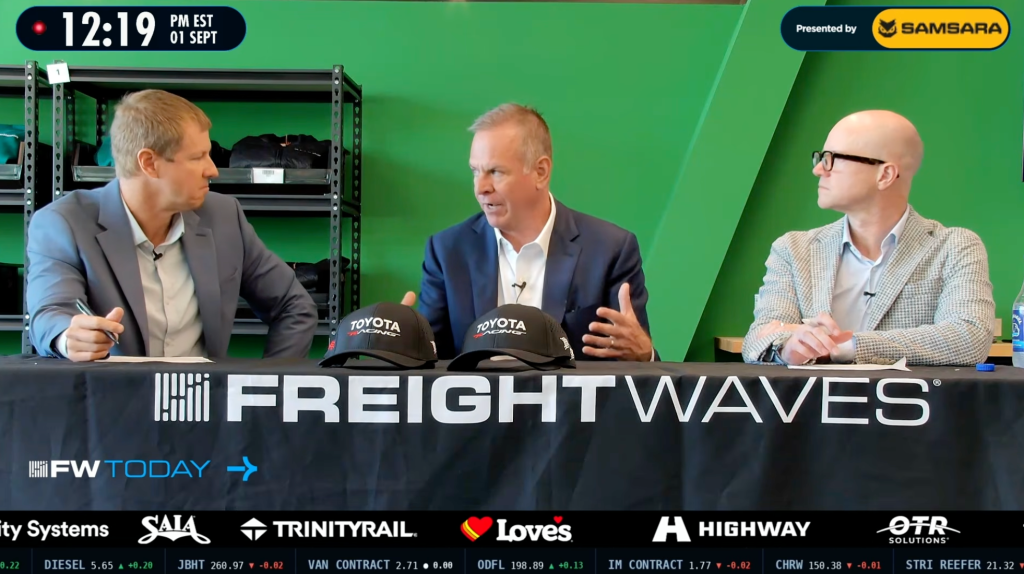
ShipStation Global CEO Tom Madine explains the thinking behind the platform’s newly launched LTL offering and the broader push to bring parcel, freight and t...
Small and midsize shippers are often forced to stitch together various tools for parcel labels, freight quotes, tracking, and much more. The fragmentation gets more expensive as a business grows past pure e-commerce, since the moment a merchant needs to move inventory between warehouses or ship a pallet instead of a box, they're forced out of whatever platform runs their day-to-day shipping and into unfamiliar territory.
ShipStation Global CEO Tom Madine has built the company's post-merger strategy around closing that gap, knowing that the same merchants who came to the platform for parcel labels are increasingly buying freight, too, and would rather not leave the software to do it.
The LTL rollout is the first major product integration since Thoma Bravo acquired WWEX Group (parent of Worldwide Express, GlobalTranz, Unishippers, JEAR Logistics and BLX Logistics) and merged it with Auctane, the parent company of ShipStation, this past June. The combination created ShipStation Global, a company now valued at roughly $12 billion. CEO Tom Madine described the logic of putting the two businesses together as less about scale for its own sake and more about closing a gap both companies kept running into with customers.
"If you think about an e-commerce merchant that's selling through multiple channels, using multiple carriers with inventory in multiple places, it makes that a much more seamless and stress-free process for them, and allows them to manage everything through a single pane of glass," Madine said of the legacy ShipStation product, before pointing to what it had been missing. "There's nothing else like it on the market."
According to Madine, that gap had shown up repeatedly in customer surveys. "One of the most common requests that ShipStation would get in the legacy Auctane world was, 'When are you going to add other modes to the platform?'" he said. "Prior to today, if you were a ShipStation user, you were managing your entire workflow in ShipStation, except when you needed to move freight." Merchants who needed to move inventory between warehouses had to leave the platform entirely, log into a separate freight system, and reconcile the two.
LTL was the logical starting point given how much of it already runs through e-commerce middle-mile moves, and ShipStation Global isn't treating the launch as a soft rollout. The platform now connects to a network of more than 75 LTL carriers, with over 50 live at launch, giving merchants real-time rate comparison and order management inside the same interface they use for parcel. Roughly 78% of ShipStation's merchants already ship freight in some form , but the company has said more than half of them have been managing it through separate systems until now.
Topics in this story
Gathered from external sources. Rights to this text belong to whoever originally published it.