Up to 50% of Planned US Data Centers Are at Risk of Delays, Kimmeridge Says
As many as half of the proposed data centers in the US are at risk of delays or cancellations because of growing political backlash and the complexities of b...
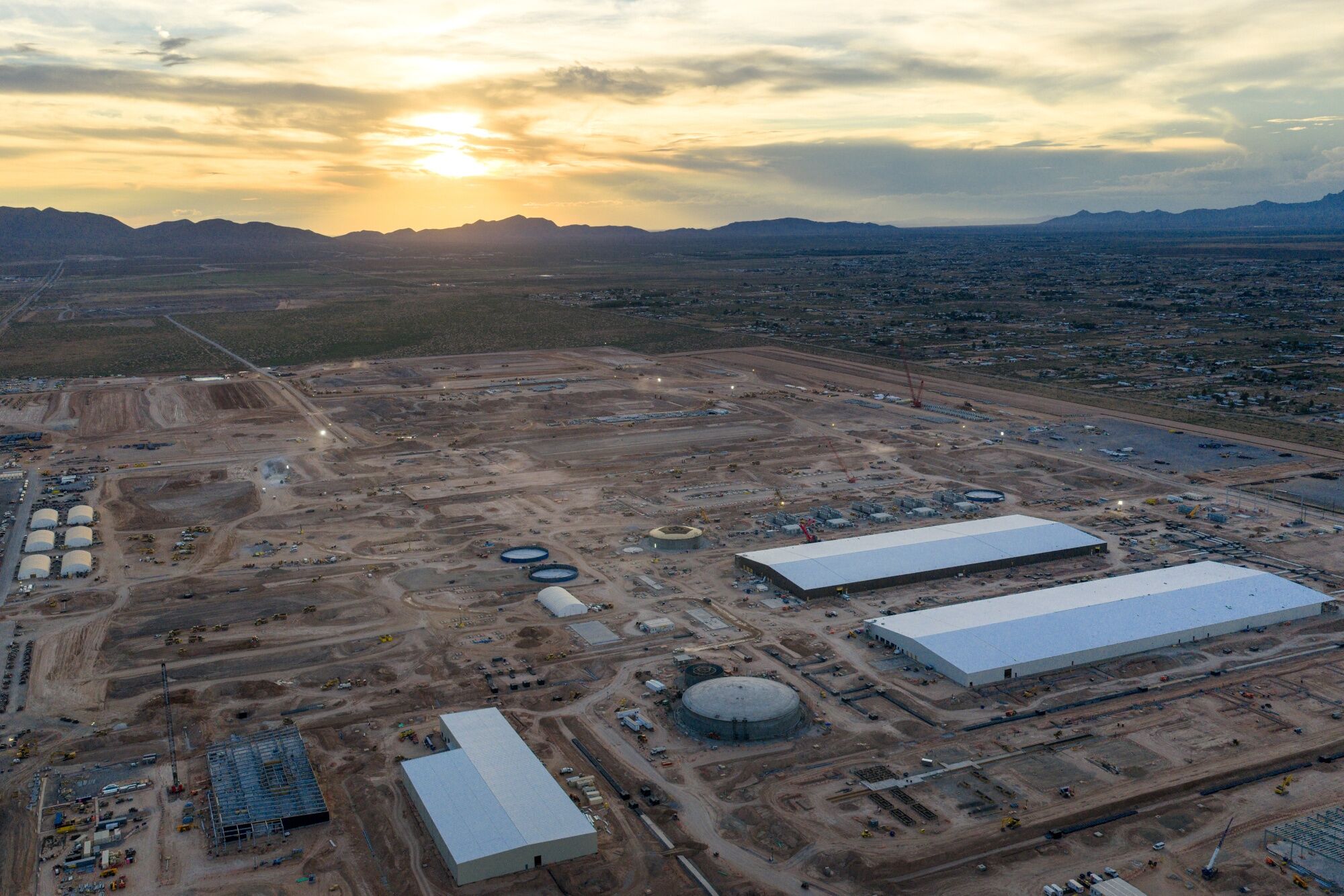
(Bloomberg) -- As many as half of the proposed data centers in the US are at risk of delays or cancellations because of growing political backlash and the complexities of building physical assets, according to investment firm Kimmeridge Energy Management Co.
"The sort of Silicon Valley model is running into a real-world infrastructure constraint," Ben Dell, managing partner and co-founder of Kimmeridge, said in an interview on Wednesday at Bloomberg News headquarters in New York.
Kimmeridge holds stakes in natural gas producers and in Commonwealth LNG, a planned terminal to export the fuel from Louisiana. Though US gas demand is expected to climb as new power plants are built to provide electricity for the artificial-intelligence boom, Dell said delays to data-center projects would likely result in cuts to those forecasts.
US gas producers have high hopes that AI will drive up consumption of the fuel, which has traded at relatively low prices domestically for most of the past decade as supply from fracking swamped demand. But investor skepticism over Big Tech's spending and public opposition to data centers are creating additional headwinds for gas bulls.
While most of the 30 billion cubic feet a day of expected US gas demand growth is from liquefied natural gas exports, Dell said about 5 billion to 10 billion a day could be driven by data centers — though delays could mean AI-related consumption is at the lower end of that range.
Data centers are rapidly becoming a political issue for the upcoming US midterm elections, and growing pushback and litigation at the local level will add to the risk of postponements or cancellations, Dell said. Bipartisan opposition to data centers is rising in states including Pennsylvania, Texas and Ohio, which were once seen as friendlier to the projects, he added.
In Dell's view, the ideal data center proposal would be "zero impact," with no net effect on water usage, land, emissions or power prices, he said.
With assistance from Julian Hast and Kevin Crowley.
Topics in this story
Gathered from external sources. Rights to this text belong to whoever originally published it.