‘Is it really worth it to keep going on?’ Economic pain hits America’s farm belt
John Yeley has spent the last 26 years working on his farm, which his family has owned since 1852.
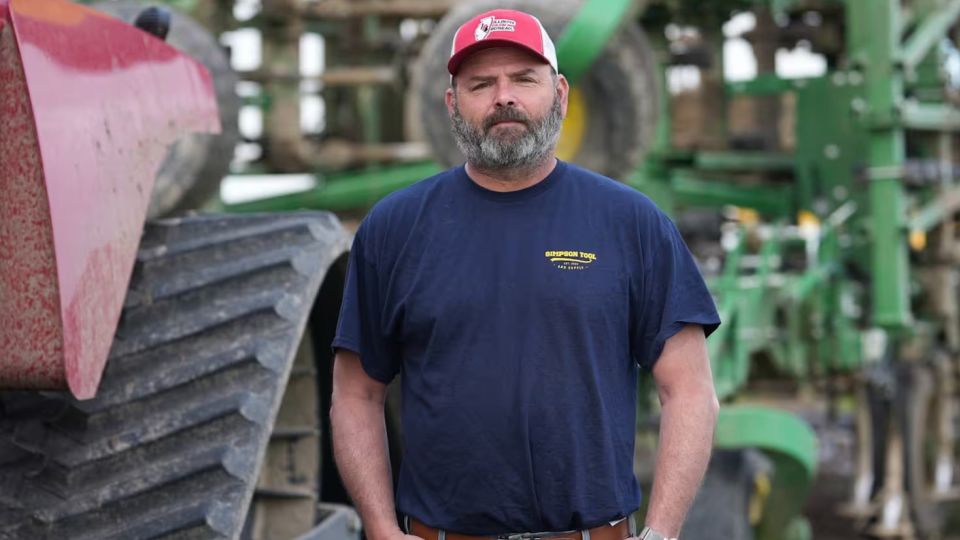
John Yeley has spent the last 26 years working on his farm, which his family has owned since 1852.
Yeley is the seventh generation to run his farm in Illinois, just over the state line from Indiana. Although he plans to keep doing so, he's not sure he wants his 16-year-old son and 12-year-old daughter to take over because the current economics are so rough.
"Right now, the way all of this is now, no, I wouldn't wish it on them," he said about farming.
Farmers like Yeley as well as agriculture experts agree that the farming sector is in a painful recession. Farms are dealing with record-high diesel prices , a fuel that is critical to their equipment. Trade disputes have cut off access to vital markets. Wars in Ukraine and the Middle East have sent fertilizer costs soaring, just as farmers pay higher interest rates on the loans needed to get from planting to harvest season.
Yeley is not sure he'll earn a profit this season, even with prices up for for his corn and soybeans.
"We're not a big county, but we've had three farmers go under this year," said Yeley. "I know that's on the minds of everybody, is it really worth it to keep going on? The stress level is pretty high."
Currently, the price of diesel is the most pressing problem for farmers.
Diesel is a workhouse fuel that powers farming equipment, like tractors and combines. The national average for diesel has accelerated faster than the price of gasoline and is now near its recent an all-time high of $6.53. In many states in the Midwest farm belt, the cost is even greater: The average price in Illinois, for example, was $6.82 as of Friday.
Farmers generally buy thousands of gallons each year. Yeley usually buys 8,500 gallons twice a year to run his equipment.
"This is the first year in my adult life that we have not bought an entire transport load either spring or fall due to fuel cost. We've been buying it piecemeal … 1,000 or 1,500 gallons at a time, hoping that we'd see a price drop," he said. "Unfortunately, it's not happening."
Sammy Tookey grows all manner of produce — tomatoes, corn, melons, peppers, squash, lettuce and chiles — on 10 acres in northern California's wine country. He sells about half his harvest to a food co-op and the other half at three farmers' markets each week.
He's feeling the squeeze from higher prices for diesel, as well as cardboard boxes and fertilizer – costs of which have also increased by double digits over the past year.
Topics in this story
Gathered from external sources. Rights to this text belong to whoever originally published it.