SpaceX trades 11% above its $135 IPO price as analysts target $280 — but one investor warns valuation is 'beyond silly'
Wall Street sees huge potential in SpaceX’s AI ambitions, but its $2-trillion valuation may leave little room for growth.
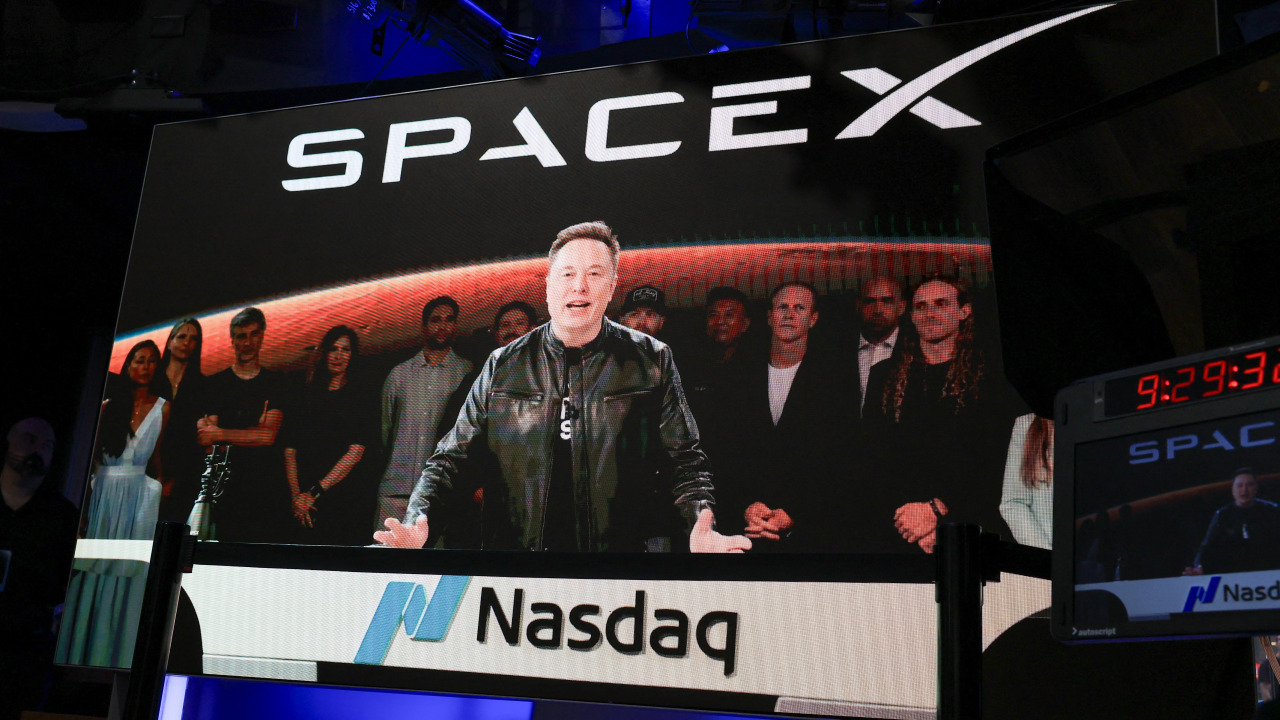
Elon Musk's SpaceX (NASDAQ:SPCX) blasted onto public markets on June 12 in the biggest IPO in history, raising $75 billion and triggering plenty of FOMO — fear of missing out — among investors.
Now Wall Street is turning bullish again. But the story has changed: It's increasingly less about rockets and space exploration and more about artificial intelligence.
Jeff Bezos backs a platform that lets anyone invest in rental homes for as little as $100 — 6 ways to build wealth like a landlord without actually being one
Dave Ramsey warns nearly 50% of Americans are making 1 big Social Security mistake. Here's what it is and 3 simple steps to fix it ASAP
The tax breaks in Trump's 'big beautiful bill' expire after 2028. Here are 4 moves to make before the window closes
SpaceX shares closed Friday at $147.98, putting them roughly 10% above the $135 offering price, according to Yahoo Finance data . But investors who bought into the early hype have seen a much wilder ride: The stock surged above $225 just days after its debut, briefly pushing SpaceX's valuation to roughly $3 trillion, before giving back most of those gains.
Oppenheimer analyst Timothy Horan sees a path back to those highs, having recently raised his price target to $280 from $250 , with much of his bull case resting on the company's ability to capitalize on the shortage of computing capacity needed to power the AI boom.
SpaceX "has the ability to bring on infrastructure faster than anyone else, and is using this infrastructure and its data to improve its own models faster than anyone else," Horan wrote in a note to clients cited by MarketWatch.
SpaceX's own forecasts help explain that optimism. The company expects its annualized revenue run rate to jump from $31 billion in the second quarter to at least $100 billion by December, with chief financial officer Bret Johnsen telling investors that cloud services would be "the largest contributor" to that increase.
Deutsche analyst Edison Yu called the $100-billion target "likely very achievable," provided the company gets the expected boost from its neocloud business and Cursor, the AI coding startup SpaceX acquired in August .
Deutsche estimates neocloud could account for roughly $48 billion of that year-end total, followed by Starlink at $13.2 billion, Cursor at $12 billion and Starshield at $11 billion. Space-related revenue could contribute another $7.2 billion, with Grok, X and other businesses adding about $3.2 billion.
In other words, the rocket business that made SpaceX famous could soon represent a surprisingly small piece of the overall revenue pie.
Topics in this story
Gathered from external sources. Rights to this text belong to whoever originally published it.