Trump wants to take a page out of the Biden energy playbook
In January 2024, then-presidential candidate Donald Trump blasted the Biden administration for freezing approvals for new plants to export US liquefied natural gas.
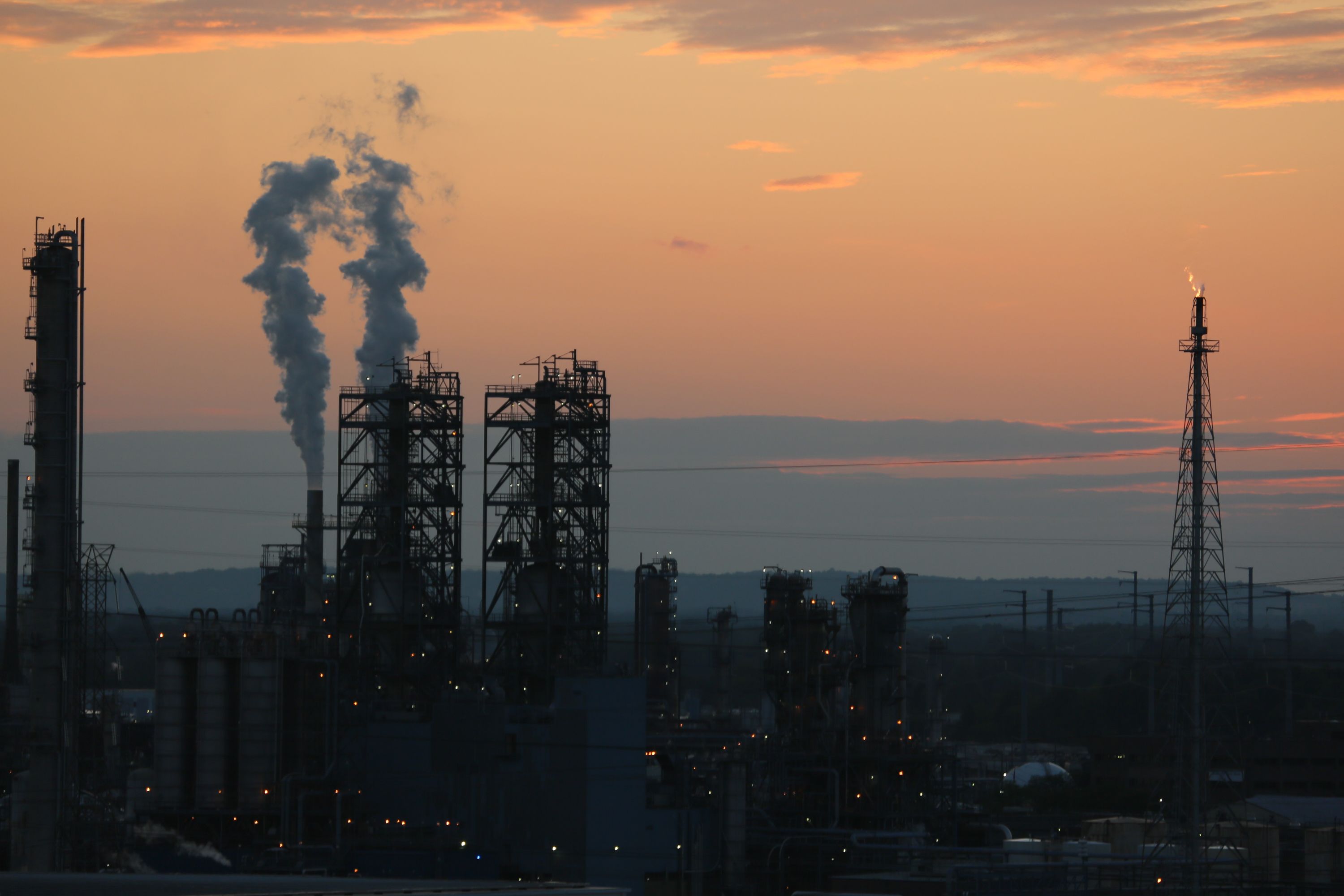
In January 2024, then-presidential candidate Donald Trump blasted the Biden administration for freezing approvals for new plants to export US liquefied natural gas. When he won the election, in part by slamming the Biden-Harris “war on energy,” Trump vowed in his second inaugural address: “We will bring prices down… and export American energy all over the world.” He kept that promise, undoing the Biden-era LNG export permitting pause through an executive order just hours into his first day on the job. Now fast-forward more than a year and a half later, he’s considering taking a page out of the Biden playbook: limiting US energy exports. Trump has been under fire for months over high energy prices unleashed by the war with Iran. This week, he said he would like to ban US diesel exports as Republicans complain sky-high prices are hurting American farmers, truckers, construction workers and countless others. Trump’s willingness to even entertain a reversal on a key issue he hammered Biden on underscores the intensifying political and economic pressures facing the administration ahead of the midterms. “The hypocrisy here is stunning,” Joe Brusuelas, chief economist at RSM US, told CNN. “Due to the upcoming election, individuals who are otherwise free-market purists have all of a sudden found socialism.” The United States is now the world’s largest exporter of natural gas as well as oil and refined products (gasoline, diesel and other fuel). Experts warn a US ban wouldn’t just fail to make diesel cheap again, but would also cause refiners to produce less fuel. This would likely chill investment and provide an opening for US adversaries in the global market. “This is a classic lose-lose proposition. And this is what populism looks like, whether it’s the current right-wing flavor of the month or the left-wing version building up,” Brusuelas said. An industry source told CNN on Thursday that US Energy Secretary Chris Wright has contacted US refiners to weigh support for voluntarily limiting diesel exports. Earlier in the day, a White House official told CNN that no official policy announcements have been made. But the official added that Trump “wants to see gas prices at the pump fall and is evaluating all the options on the table.” ‘Little economic sense’ The oil industry has broken sharply with the Trump White House on the issue, resurfacing arguments against export bans that were once reserved for the Biden administration. “Bad policy doesn’t become good policy just because the administration changes,” Mike Sommers, president and CEO of the American Petroleum Institute, told CNN in a statement. “Restricting US LNG exports was bad policy under President Biden,” he added, using the acronym for liquified natural gas, “and it would be bad policy on diesel under President Trump. Changing the product doesn’t change the economics.” Even some former Trump officials have been left dizzy by the sudden shift on energy exports. Dan Brouillette, former energy secretary during the end of Trump’s first term, told CNN that the apparent reversal on export bans is causing “confusion” in the industry. “It’s one of those ideas that sounds good on the surface, but when you dig into it, it makes very little economic sense,” he added. Biden move driven by climate crisis Of course, the United States is dealing with a different situation than a couple years ago. In 2024, Biden officials responded to concerns from environmentalists about the planet-warming dangers of new natural gas production. “While MAGA Republicans willfully deny the urgency of the climate crisis, condemning the American people to a dangerous future, my Administration will not be complacent,” Biden said at the time. Now, the focus is on the historic diesel spike, which is driving up the cost of living just as inflation-weary voters head to the polls. “Oftentimes in politics, where you stand is based on where you sit,” said Ed Mills, Washington policy analyst at financial firm Raymond James. “We would not be having this conversation if diesel prices weren’t at all-time highs with the midterms a month away and states like Iowa potentially deciding the majority of the next Senate.” Diesel is a crucial fuel powering tractors – especially during the harvest season in the fall. The rise in costs “comes at the worst possible time,” Mills said. Republican Sen. Chuck Grassley has led the charge for a US diesel export ban, saying on social media that record diesel prices are “killing” the income of farmers. Eroding a strategic advantage? Energy market researchers have loudly warned against a US diesel ban, arguing it would cause US refiners to process less. This would cause oil prices to rise for gasoline, diesel and jet fuel. Natasha Kaneva, head of global commodities strategy at JPMorgan, told clients on Thursday that a 30-day diesel export ban would initially cause diesel prices to drop – but then refiners would run out of room to store all their excess diesel. “Since a refinery can’t simply stop making diesel while continuing to produce the same amount of gasoline, crude runs eventually would have to fall,” Kaneva wrote in a report titled “Day 31 and beyond.” “At this point, some of the initial price relief would begin to reverse – the opposite of what policymakers want.” Kaneva cautioned that America’s vast refining system is far larger than what’s needed to serve the domestic market because it serves the world, too. She noted US refiners have been able to fill a gap left by plunging exports out of the Middle East and Russia. “This is an extraordinary strategic asset,” Kaneva wrote. “What begins as an effort to protect US consumers could ultimately erode the very refining capacity that protects them – and with it, a strategic advantage the United States has spent decades building.” ‘Worse version of the LNG pause’ Tom Kloza, chief energy adviser at Gulf Oil, said a US diesel export ban would put the United States “behind the eight-ball” on gasoline – the fuel consumers care most about. “It’s pretty ironic to see the Trump administration at least throw around the concept of a diesel export ban,” Kloza said. “But it’s universally recognized that a ban would have a harsh impact. We’d be looking at a nuclear winter in terms of gas prices during Christmas season.” Scott Lincicome, vice president at the Cato Institute and an adjunct professor at Duke Law School, told CNN that a diesel ban would be a “worse version of the LNG pause” under Biden. Lincicome said the Biden move was “bad policy” but only impacted future supply and investment, while leaving existing LNG exports untouched. “A complete ban on diesel exports, by contrast, would have far more immediate and far-reaching harms – while also hurting future investment,” he said. “Hopefully, President Trump won’t follow in Biden’s footsteps.”
Topics in this story
Gathered from external sources. Rights to this text belong to whoever originally published it.