Iranians stock up on food and medicine as fears of new US fighting grow
Iran is struggling with shortages as sanctions and blockade strain food and medicine supply chains.
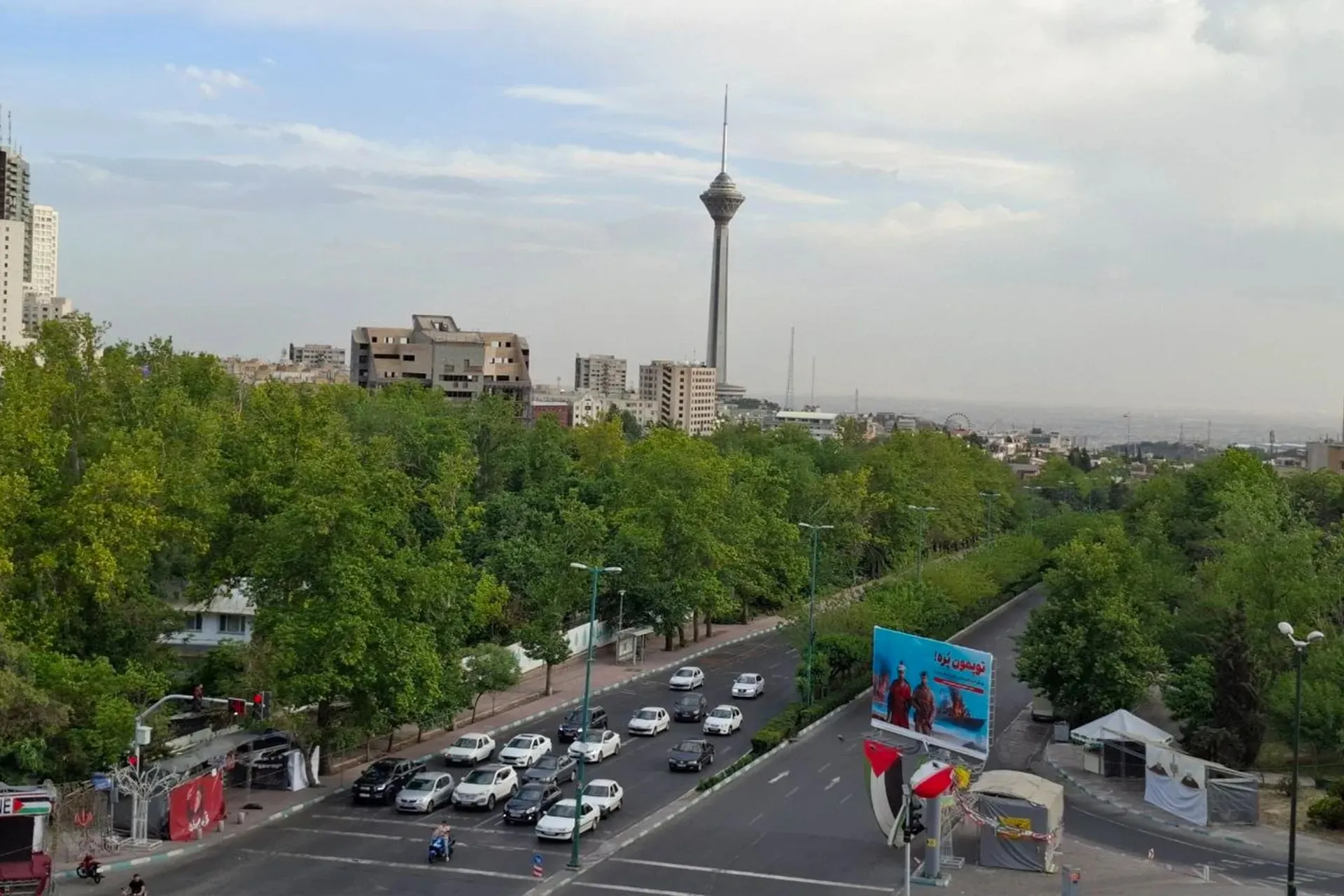
Tehran, Iran – Iranians are stocking up on food and medicines as fears grow that the country will face dire shortages as the United States tightens an embargo on the country.
The Iranian government had managed to keep household staples flowing during the early months of the war. But a US naval blockade and pivot to draconian sanctions have led to fears that imports will be limited.
More recently, the US announced a ban on Iranian airlines worldwide and is pressing other countries to cut trade ties with Iran in a bid to isolate the country.
Addressing the United Nations General Assembly last week, Iranian President Masoud Pezeshkian condemned Washington for its blockade on his country, saying it will prevent food and medicine from reaching the Iranian people.
On Saturday, US President Donald Trump rejected Iran’s offer for a seven-day truce that would see it reopen the Strait of Hormuz in exchange for economic relief and other conditions.
As the war enters its eighth month and hopes for a diplomatic solution dim, Al Jazeera looks at how some Iranians are faring under a US embargo.
Tehran’s stores remain stocked, but shoppers are keeping an eye on shop shelves. Their anxiety has deepened since a flurry of social media posts urging people to ensure they have several days of food before a possible new round of fighting with the US.
At one shopping centre, Ali, 51, was loading a trolley packed with rice, flour, pasta, pulses, cooking oil and canned food.
He is stocking up because he is convinced that Iran’s adversary is seeking to “starve” the people to push them to turn on their government.
“This is not a war in the traditional sense. It targets the people to put pressure on the authorities,” he said.
With flights to some nearby countries suspended, imports of certain medicines and mobile phone headsets are hard to find. The prices of those still available in shops have been pushed up.
Haj Pasandideh, a 71-year-old grocer, said he believed warehouses were well-stocked with basic goods at the moment. But the problem lies in the daily price increases due to Iran’s weakening rial, prompting him to bulk-buy goods before the expected hikes.
He sometimes caps cooking oil at one bottle per sale to ensure as many customers can purchase the goods as possible.
Farmers are also on edge due to the embargo, unable to ship out their produce and forced to sell to local markets.
The war has worsened the economic situation, even after years of sanctions that have pushed the country from being a regional exporter of agricultural and food products to being one of the region’s main importers.
Mehran, an apple grower, told Al Jazeera that due to the difficulties of exporting, he had sold only a third of this year’s harvest, all of it inside Iran.
Some neighbouring countries have halted trade with Iran in recent months, he said, while trucks now spend days at crossings they once cleared in a day, causing fruit to spoil before it reaches buyers.
“The blockade has not only closed the sea and air but also the land routes but in an undeclared manner,” he said.
The war has also deepened an already-dire shortage of medications . Some pharmacies Al Jazeera visited in southern Tehran had run out of infant formula and dozens of other types of medications.
Although officials have assured Iranians that substitute products were available, pharmacy staff expressed concern about the increasing number of customers searching for infant formula in vain.
“Imported medicines are disappearing fast, and lately people have been coming in to buy certain items before they need them for fear they will run out in future,” Mahsa, a 23-year-old pharmacy assistant, told Al Jazeera.
She said the health authorities had introduced “smart systems” to track the quantity and type of medication each person buys.
The prospect of a prolonged siege and deteriorating economic conditions have driven some Iranians to call for a military solution.
On Tehran’s main thoroughfare, several people told Al Jazeera that another round of fighting with the US was unavoidable. Some urged the government to break the blockade by force before it is tightened further.
Mohsen, a 23-year-old economics student, believes Washington’s goal is to strangle the Iranian economy and the cost will ultimately be felt by Iranian citizens.
Iran possesses many strong cards that it must use to break the air and sea blockade before they develop into a land blockade that would completely choke Tehran, he said.
Alireza Taghavinia, an Iranian international relations expert, told Al Jazeera that the gap between Washington and Tehran was too wide to be bridged. “The siege imposed by force will only be lifted by force,” he said.
In a worst-case scenario, falling living standards could bring protesters onto the streets, he added.
“The enemy is counting on stirring up chaos inside Iran because it believes no military strike will achieve its objectives without internal unrest,” he said.
Topics in this story
Gathered from external sources. Rights to this text belong to whoever originally published it.