Abercrombie may be back. Will its shoppers stay?
The mall retailer is showing stronger demand and margins, but Morgan Stanley says the real test may come after the summer.
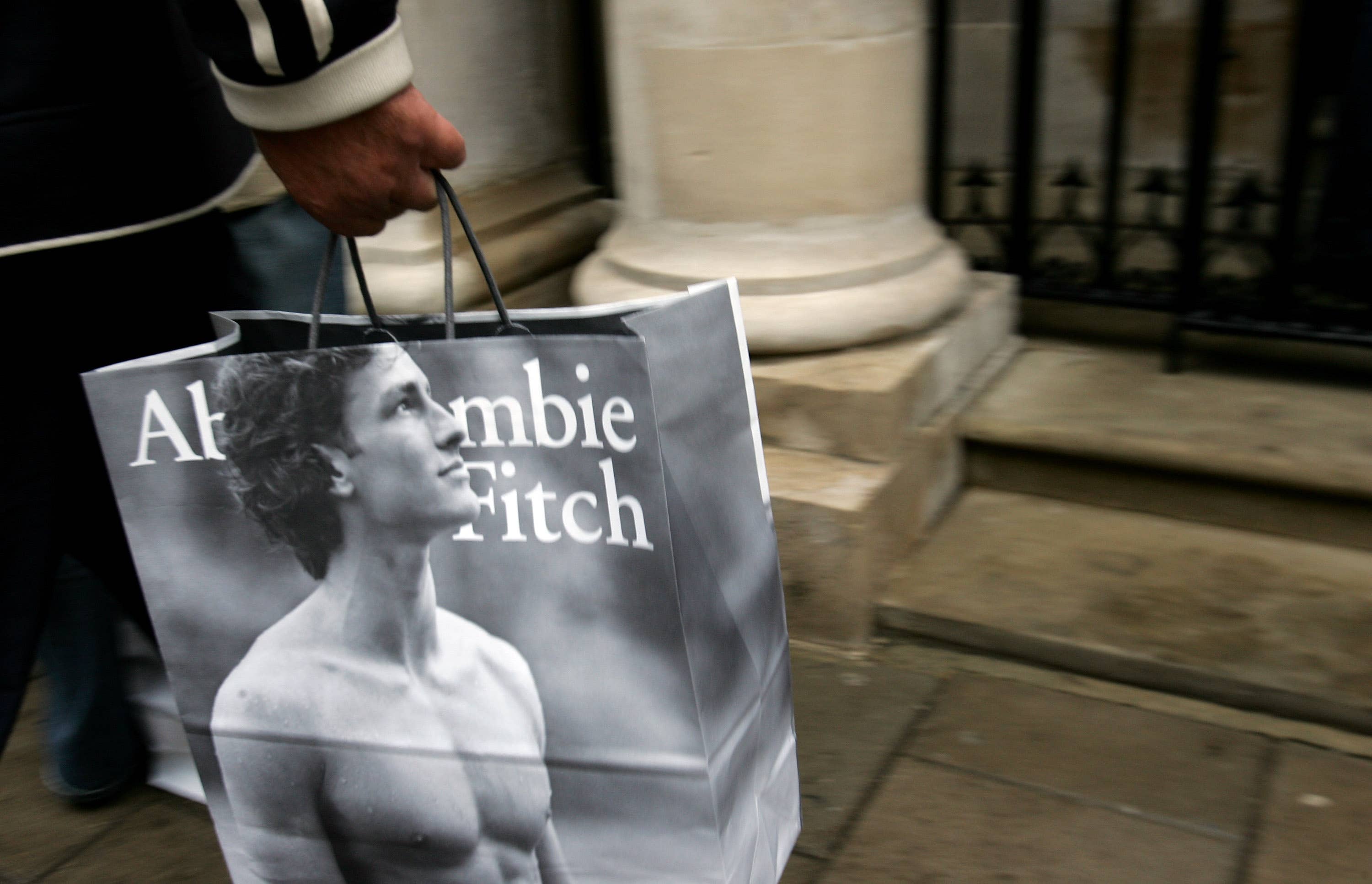
Abercrombie & Fitch Co. (ANF) spent much of the past decade trying to become a different kind of retailer, one that could shed a brand identity that had grown stale and, at times, genuinely unwelcoming.
Its logo-driven look and exclusionary marketing from the 2000s made it a brand a certain generation actively avoided, Business of Business noted. It took years of rebuilding product, marketing, and store experience before shoppers gave it a second look.
This past quarter offered the clearest evidence yet that some of them have.
Comparable sales at the Abercrombie brand rose 4%, its first real return to growth after roughly a year of declines, according to a Morgan Stanley note shared with TheStreet.
Brand sales climbed 8% to $596.8 million, according to the company's earnings release , adding evidence that the improvement in customer demand is translating into actual purchases.
Investors noticed quickly. Shares jumped 36% on Wednesday, Aug. 26, their biggest one-day move since November 2025, after fiscal second-quarter results beat expectations across the board, according to Bloomberg .
But the more interesting questions sit with the shopper, not the stock price: What actually changed, and can it last?
Abercrombie's problem was never simply that people stopped buying clothes. The retailer needed to become relevant to shoppers who were not attached to its old identity, while retaining the recognition that had made the brand valuable in the first place.
That reinvention has leaned on newer product categories, broader marketing, and partnerships such as the company's tie-in with the NFL, according to the earnings release .
The company is also expanding through new distribution channels, giving shoppers more ways to encounter and buy the brand. That matters because a successful retail comeback requires more than getting former customers back. It requires creating new reasons for people to choose the brand in the first place.
Hollister, the company's other brand aimed at younger teen shoppers, told a messier story. Comparable sales fell in the low single digits, though sales still grew 2% to $669.9 million, according to the earnings release .
Morgan Stanley said easing year-over-year comparisons give the brand room to improve into the fall.
What stood out most to Morgan Stanley was not the sales growth but the margins. The bank's note said gross margin performance and management commentary suggested promotional pressure eased across both brands, an encouraging sign for a retailer trying to rebuild demand without sacrificing profitability.
Topics in this story
Gathered from external sources. Rights to this text belong to whoever originally published it.