Common Cents Act would impact pennies, nickels and cash transactions. It may soon become law
A new nickel, rounded transactions and the formal death of the penny. They could all happen soon.
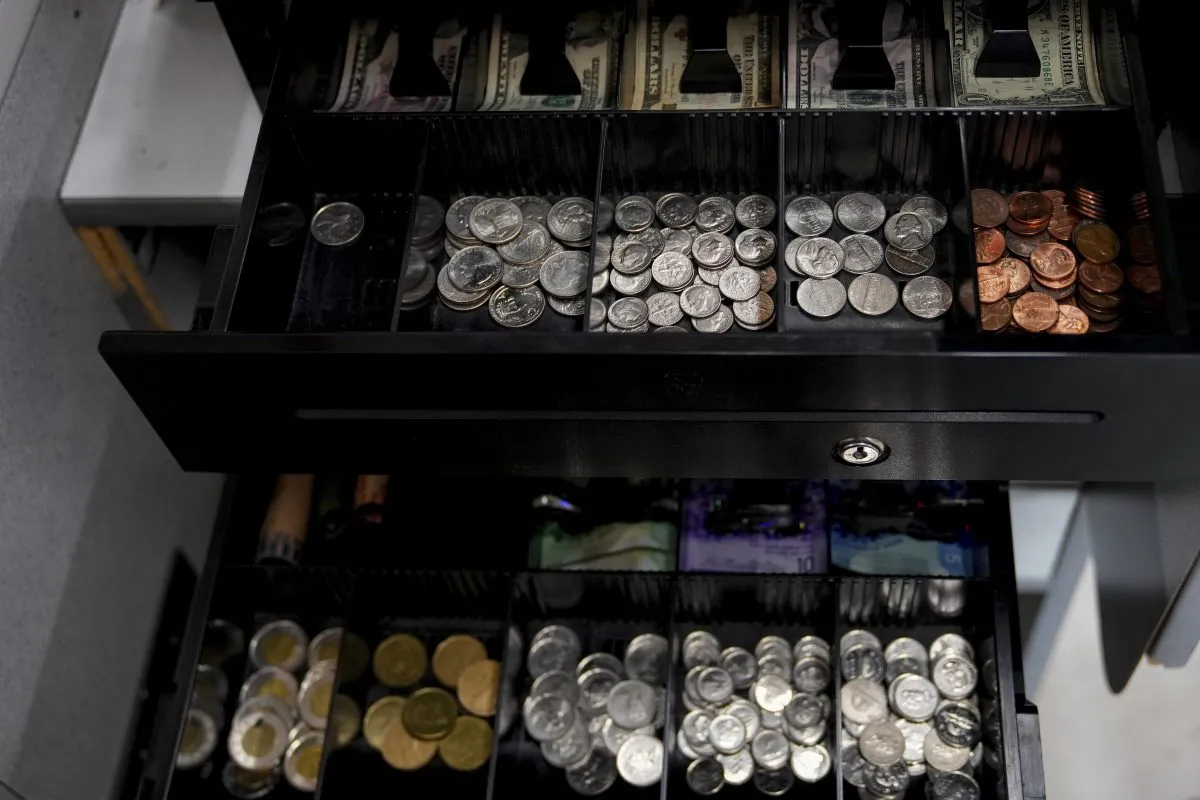
(NEXSTAR) – The Senate on Monday passed a bill that could formally mark the end of the penny , change the nickel and alter your cash transactions .
Without objection, H.R. 10167, otherwise known as the Common Cents Act, made it through the Senate and is now en route to President Donald Trump’s desk.
Through the summer, both chambers were working on similar legislation. Earlier this month, the House passed the Common Cents Act by a voice vote. An identical version of the bill passed in the Senate with unanimous consent in August.
The bill passed Monday varies slightly from another version of the Common Cents Act that made its way through the House and to the Senate earlier this year. While that version instructs the Treasury to stop minting the penny, it did not explicitly outline the discontinuation of a coin.
The legislation that has now passed through the House and Senate may have a big impact on your change. Here’s what to know.
The Common Cents Act may mark the formal discontinuation of the penny, but it will still allow for one-cent coins “for sale as numismatic items” to be minted.
Pennies remain legal tender and can still be used to pay “all debts, public charges, taxes, and dues,” should the legislation be enacted.
Paying with cash may become less confusing
Since retailers and businesses began reporting penny shortages last summer, paying with cash has been clunky . Some retailers rounded transactions ; others offered gift cards and promos in exchange for pennies. Estimates suggest there are more than 300 billion pennies, or $8 worth per U.S. citizen , but they haven’t been finding their way to register tills as of late.
That won’t change should the Common Cents Act receive Trump’s signature. However, businesses would be permitted to round cash transactions to the nearest nickel. As simple as it sounds, some states and localities have laws prohibiting the practice. Advocates believe the Common Cents Act could iron out that confusion .
In separate statements, the National Retail Federation and the National Association of Convenience Stores applauded the Senate’s passing of the Common Cents Act, focusing specifically on this guidance on transaction rounding.
While the shelving of the penny and the rounding of cash transactions seem relatively certain to happen should Trump sign the bill, what is less clear about the Common Cents Act is its possible impact on the nickel.
As the nation’s newest lowest denomination, the nickel has likely been in the limelight since the penny shortage began. However, like the penny, the nickel is extremely expensive to produce . In fiscal year 2025 , it cost more than 13 cents to produce a single nickel. That’s down slightly from 13.78 cents in the previous year.
The Common Cents Act does not outright get rid of the nickel (though at least one expert has argued it would have been easier for the U.S. to ditch it instead of the penny). It does, however, permit the Treasury Secretary to test and evaluate compositions of the coin and suggest a new make-up for the nickel if it “reduces the cost” of production and “has a minimal adverse impact on machines designed to accept coins.”
That may include making the nickel out of zinc, with an outer layer of nickel. Only the penny and the $1 coin currently use zinc , which was nearly $7,000 per tonne cheaper than copper last year, the Mint reports.
Changing a coin’s composition can be difficult, though. Attempts to make the penny cheaper, for example, failed .
The Common Cents Act still needs to be signed by Trump before it can take effect. He did, however, call on the Treasury to stop minting new pennies early last year, describing the one-cent coins as “wasteful.”
Topics in this story
Gathered from external sources. Rights to this text belong to whoever originally published it.