What products are part of US-China $60 billion tariff cuts deal
The U.S. and Chinese governments unveiled tariff cuts on Monday, affecting $60 billion worth of goods in varying markets. The list released by the White House spans the U.S. import of 77 categories of Chinese goods – including Christmas decorations, fireworks and children’s toys. The Chinese imports of U.S. goods, meanwhile, cover 1,619 categories of…
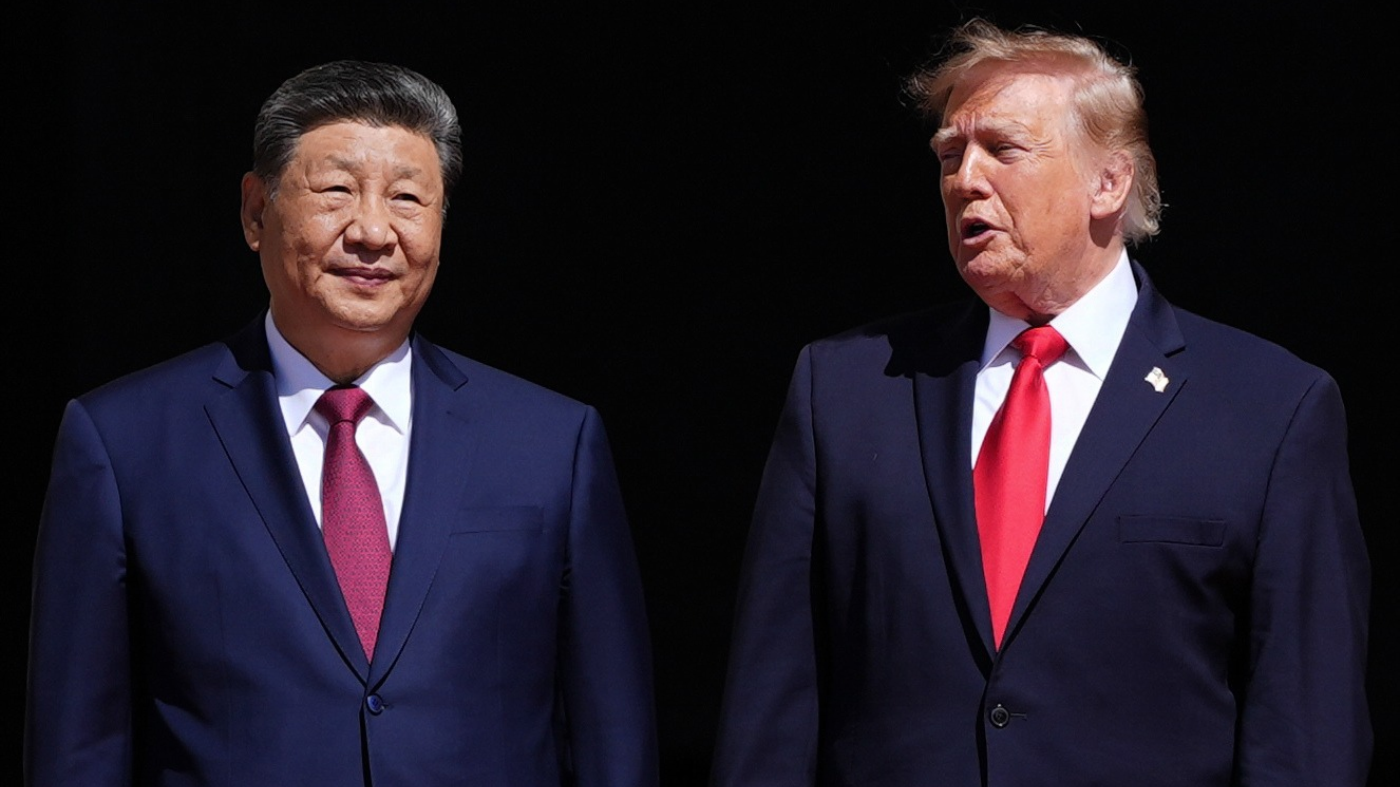
The U.S. and Chinese governments unveiled tariff cuts on Monday, affecting $60 billion worth of goods in varying markets.
The list released by the White House spans the U.S. import of 77 categories of Chinese goods – including Christmas decorations, fireworks and children’s toys. The Chinese imports of U.S. goods , meanwhile, cover 1,619 categories of products that are various American agricultural products.
The 30-30 framework impacts $30 billion worth of goods from each country and marks another step for the U.S. in reducing its tariff deficit against China.
The U.S. import focus remains on consumer goods as concern over inflation and rising gas prices continues to grow. The Conference Board reported on Tuesday that the consumer confidence index fell to 81.9 in September, down 6.7 points from August. That marked the lowest point for the metric since 2014, when consumer sentiment was rebounding from a low point of less than 30 during the financial crisis.
The Chinese import focus, meanwhile, also concerned U.S. agricultural products, notably soybeans and related products. The American Soybean Association said in a statement the product was critical for tariff negotiations as China has shown a continued commitment to purchase a minimum of 25 million metric tons of U.S. soybeans annually in the years 2026, 2027 and 2028.
“China remains an important market for U.S. soybeans, and we want to see a strong trading relationship that allows more customers in China to purchase our soybeans,” ASA President and Ohio soybean farmer Scott Metzger said.
Microchips, electronics and semiconductors were notably not included or covered under the agreement.
A group of Senate Democrats demanded President Trump to close loopholes that allow China to subvert U.S. export bans on semiconductors and microchips – saying the technology helps China build “dangerous AI systems.”
“China is accelerating its drive for AI dominance by exploiting weaknesses in the administration’s export controls to access advanced chips and manufacturing equipment,” they wrote.
Topics in this story
Gathered from external sources. Rights to this text belong to whoever originally published it.