Nvidia’s $1.5 trillion boardroom blunder helped bring Jensen Huang back
Nvidia’s intense boardroom drama, in which Jensen Huang was ousted and brought back in the span of less than two weeks, would not have been possible without questionable decisions by Nvidia’s directors.
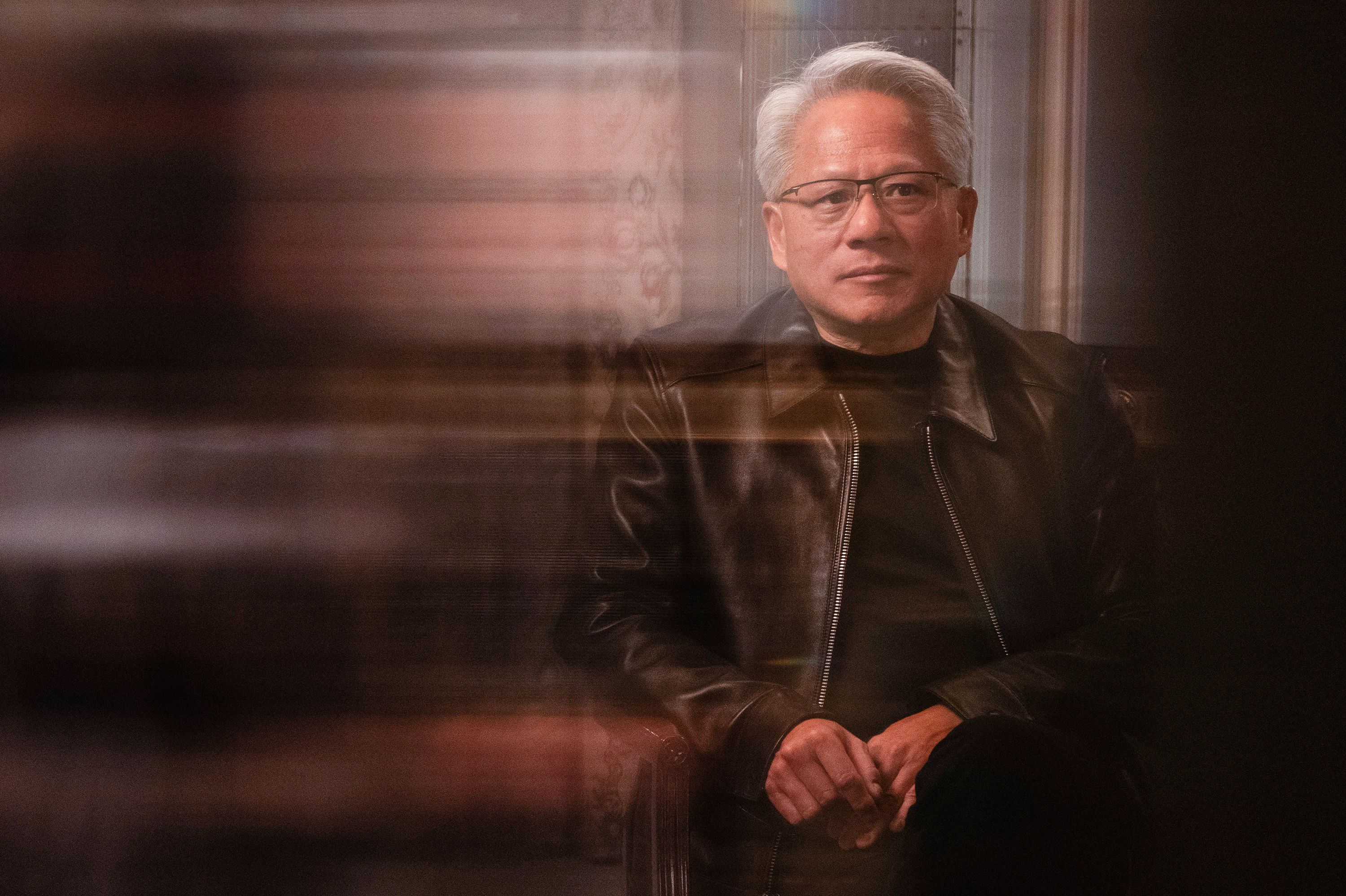
Nvidia’s intense boardroom drama, in which Jensen Huang was ousted and brought back in the span of less than two weeks, would not have been possible without questionable decisions by Nvidia’s directors. Now, the board faces intense scrutiny over its role in a corporate soap opera with enormous consequences. While Wall Street loves the shocking return of Huang at the helm of Nvidia, corporate governance experts are horrified by what they view as malpractice by the company’s board: With no chair prior to Huang’s ouster, no succession plan and the loosest of leashes on its CEO, the board had set itself up to fail. Huang said he built the company so that he alone could run it – and the stock acted that way, losing $1.5 trillion in market value since the scandal erupted on Nov. 8. An outpouring of support for Huang from investors and partners followed, and a shareholder revolt seemed imminent. The board, consisting of many long-tenured Huang supporters, announced its decision to reinstate Huang on Monday, after the same board unanimously accepted his resignation. And directors are bringing Huang back before the completion of a board-ordered investigation that was supposed to get to the bottom of allegations over whether Huang has been the “target of a foreign intelligence effort.” President Donald Trump on Monday told CNBC he called the board and helped orchestrate Huang’s return. That put the board in a no-win scenario: Stand pat and risk getting ousted. Give in and appear weak and ineffective. (Nvidia declined to comment.) Of course, it didn’t have to be this way. A strong board – one that provides vigorous oversight of the CEO and requires successors to be groomed – could have avoided this mess turning into a debacle. “The board should resign. Every one of them,” said Jeffrey Sonnenfeld, senior associate dean for leadership studies at the Yale School of Management. “This is a complete failure of corporate governance.” Backed into a corner Huang stands accused of some serious violations of corporate policy. He acknowledged an affair after reports of a relationship with a major customer, and he was reportedly in a relationship with an employee. Although the board on Monday said US government officials assured them rehiring Huang posed no national security risk, the investigation continues. The seriousness of the allegations make Huang’s return all the more shocking from a corporate governance standpoint. “The standard to apply is: Would we fire a middle manager for this behavior?” said Nell Minow, chair of corporate governance advisory firm ValueEdge Advisors. Potential espionage aside, Huang’s affairs would be grounds for dismissal, Minow argued. Minow said she would favor the board resigning except that she fears Huang would just bring in people who are “even more compliant.” But the board appears to have been backed into a corner. The Nvidia scandal contributed to a market meltdown so severe that some suggested the AI bubble was popping before our eyes. Huang was the He-Man CEO of AI, the industry’s de facto central banker and widely viewed as a visionary pioneer who transformed graphics processors into the lifeblood of AI computing. And he is buddies with the president of the United States. Trump on Monday was effusive with praise for Huang, telling CNBC he personally called Huang and the board to help arrange his comeback. “With pressure from the president and his administration, the board may have felt it had no choice, but this is not a board that has ever shown that it understands its obligations to shareholders or to the law,” Minow said. The board failed by placing Huang above corporate governance, said Bill George, former CEO of Medtronic. “The board does not appear to be in control,” said George, now an executive fellow at Harvard Business School. The invincible CEO The board didn’t have to let it get to this point. For example, it could have opted to put Huang on leave pending the results of the investigation, which could have insulated it from outside pressure – even from the commander in chief. But the problems started earlier. Without a succession plan, Huang effectively held the board hostage, said Sonnenfeld, the Yale professor. Most well-run companies with functional boards have an emergency plan in place, in case the CEO is hit by a bus, suddenly resigns or needs to be disciplined. They also typically review potential replacement CEO candidates as part of their due diligence. There’s no evidence Nvidia had done any of that. That, in part, gave Huang an aura of invincibility. “Our company was built so that I know how to run it,” Huang told Bloomberg in 2023. “So, for as long as I’m running it, that’s all that matters.” Nvidia has a deeply talented bench. So allowing a company to rely on a singular figure – who alone could account for trillions of dollars of company value – represents a complete failure of the board, Sonnenfeld argued. Still, the board’s flip-flop may not be nefarious. Ultimately, the board is tasked with deciding whether it can trust Huang and whether his ongoing presence at Nvidia is in the best interest of the company and its stockholders, noted Brittany Rogers, partner in the corporate governance practice at O’Melveny & Myers. “There is no single ‘right’ answer here,” she said, calling the decision complex and difficult. Although it may be easy to assign bad motives to the decision to rehire Huang, the board may also have been presented with new facts that changed its mind – even from a week earlier. “I would apply the presumptions of the business judgment rule and assume that the directors acted on an informed basis, in good faith, and in the honest belief that each decision served Nvidia’s best interests,” said Lawrence Cunningham, director of the University of Delaware’s Weinberg Center for Corporate Governance.
Topics in this story
Gathered from external sources. Rights to this text belong to whoever originally published it.