'The money has to come from somewhere': Florida voters approve sweeping property tax cut, while tax revolts in Wyoming and Oklahoma fall short
Property tax relief efforts won big in Florida but fell short in Oklahoma and Wyoming as voters confronted the trade-offs between lowering taxes and reducing...
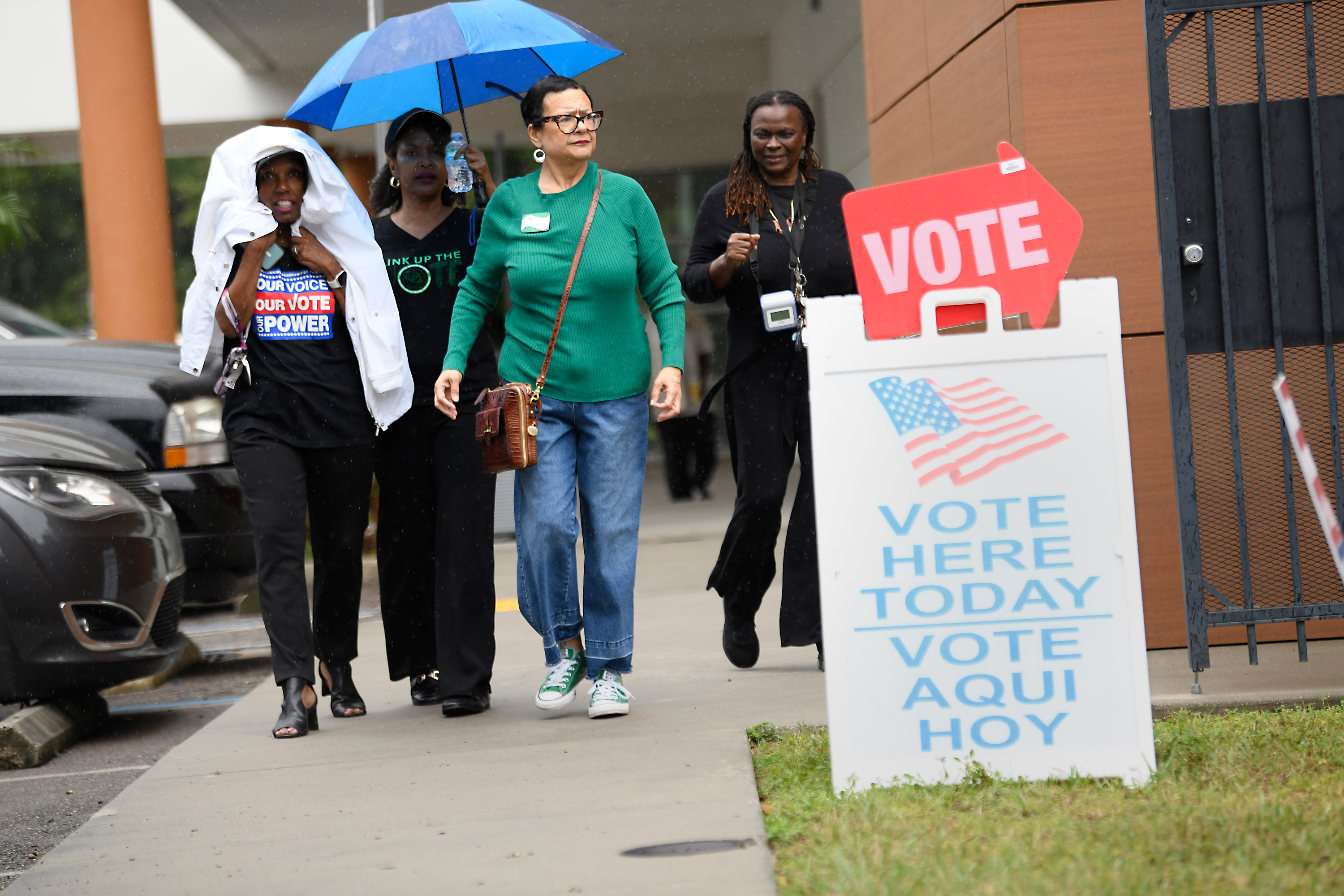
Voters in seven states weighed in on property tax relief measures on Tuesday, part of an ongoing property tax revolt that has developed in recent years as home prices and assessed values soared while incomes have largely failed to keep up. The outcomes were mixed, with voters in Florida and North Carolina overwhelmingly approving amendments designed to cut or cap taxes, while Wyoming and Oklahoma voters rejected tax-limiting measures.
The split results reflect the complicated trade-offs between limiting unpopular and fast-rising taxes and funding public services.
"Property tax bills are rising far faster than inflation and even home valuations," said Nicole Fox, a policy analyst at the Tax Foundation. "People are noticing."
The most sweeping effort to lower taxes came in Florida, where 62% of voters approved a major property tax cut that will increase the amount of a home's value that can be exempted from non-school homestead property taxes, effectively eliminating those taxes entirely in some parts of the state.
"What happened last night was a really big deal," said Danielle Blake, chief of residential and advocacy at Miami Realtors, which supported the Florida initiative, known as Amendment 3. "That is the voters speaking loud and clear that they want relief."
In North Carolina, an amendment requiring the General Assembly to pass legislation limiting how much local governments can raise property tax revenues from year to year passed with over 60% of the vote. And Louisiana voters approved ballot initiatives designed to provide property tax relief to select groups, including seniors.
But in Oklahoma, voters rejected a ballot question that sought to limit the growth in property tax assessment limits. A Wyoming amendment that would have cut property taxes by 50% for most homes also failed after critics, including the state's governor, argued that the cuts would decimate local services.
Municipalities across the country rely heavily on property taxes, which account for 70% or more of local revenues. Those taxes frequently fund popular services like infrastructure, parks, and public safety. Cutting them can mean municipalities must find another way to cover the shortfall or reduce services.
"If you eliminate [property taxes], the money has to come from somewhere else, or the service gets eliminated," said Bill Healey, 2026 president of the International Association of Assessing Officers.
Topics in this story
Gathered from external sources. Rights to this text belong to whoever originally published it.