Oil Prices Jump on Houthi Attacks, U.S.-Iran Escalation Fears
Oil prices rose amid renewed Middle East escalation concerns after Saudi Arabia said it intercepted six ballistic missiles launched at the kingdom, while U.S...
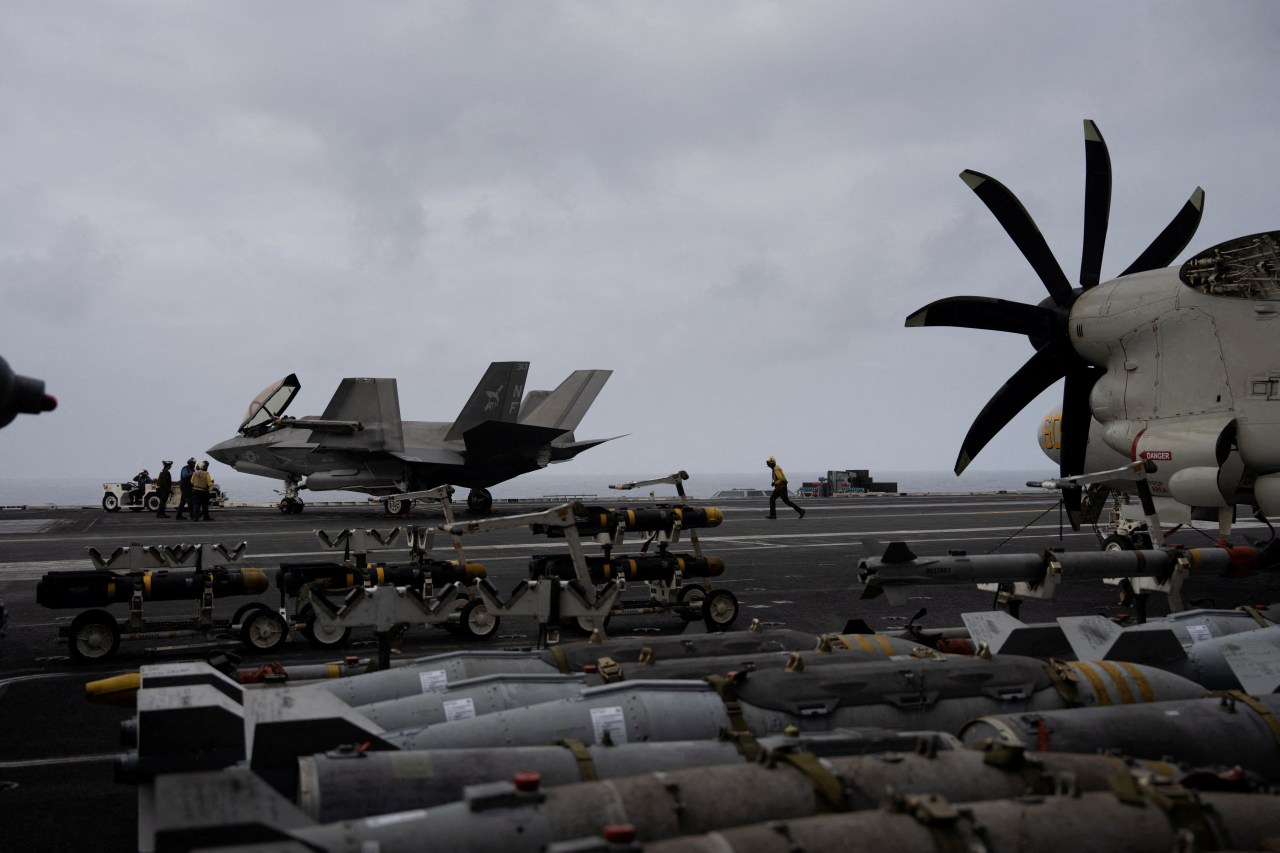
Oil prices rose in a volatile session amid renewed Middle East escalation concerns after Saudi Arabia said it intercepted six ballistic missiles launched at the kingdom, while U.S.-Iran talks showed little sign of progress.
Brent crude for November delivery rose 3.4% to $106.60 a barrel, and West Texas Intermediate crude for November gained 2.7% to $94.61 a barrel. Both benchmarks had been down around 0.7% early in the session, while Brent briefly traded above $108 a barrel later in the day.
Saudi Arabia's coalition fighting in Yemen said Thursday that air defenses intercepted and destroyed six ballistic missiles launched by Yemen's Iran-backed Houthi militia. Meanwhile, Houthi military spokesman Yahya Saree said in a statement that the group had launched dozens of ballistic missiles and drones in what he described as a large-scale operation against Saudi military positions in Jazan.
Saudi Civil Defense separately issued an emergency warning in Mecca through the kingdom's National Early Warning Platform, advising residents to follow official instructions because of a potential danger.
The latest escalation follows continued threats to regional shipping. An adviser to Iran's Supreme Leader Mojtaba Khamenei warned that Tehran could expand the Middle East war to the Indian Ocean if the U.S. or Israel attacks again, according to an AFP report citing Iran's Fars news agency. Meanwhile, the Red Sea route, an important alternative for Saudi oil exports that bypasses the Strait of Hormuz, has also faced disruption from the Houthi militia.
"It certainly doesn't look as good as it did earlier in the week," said Robert Yawger, commodity specialist at Mizuho Securities USA. "The Iranians are threatening to take the battle to the Indian Ocean, and the Houthis are shooting ballistic missiles at Saudi cities."
Continued oil flows through the Strait of Hormuz and a restart of Saudi Arabia's East-West pipeline could ease physical supply pressures, analysts at MUFG said. However, persistent tanker attacks and limited progress in U.S.-Iran diplomacy should keep oil-market volatility and the geopolitical risk premium elevated, they said.
U.S. Secretary of State Marco Rubio said Wednesday that Saudi Arabia had restarted its East-West pipeline after it was attacked earlier this month, restoring an alternative route for crude exports that bypasses the Strait of Hormuz. Rubio also said the southern shipping lane through the Strait of Hormuz was open and that more barrels of oil were flowing through it each day. He said the U.S. would continue defending shipping and enforcing its blockade on Iran.
Topics in this story
Gathered from external sources. Rights to this text belong to whoever originally published it.