10-Year Yield Surges to 19-Year High: Here’s What Traders Need to Know Now
Here are the market dynamics pushing bond yields to nearly two-decade highs.
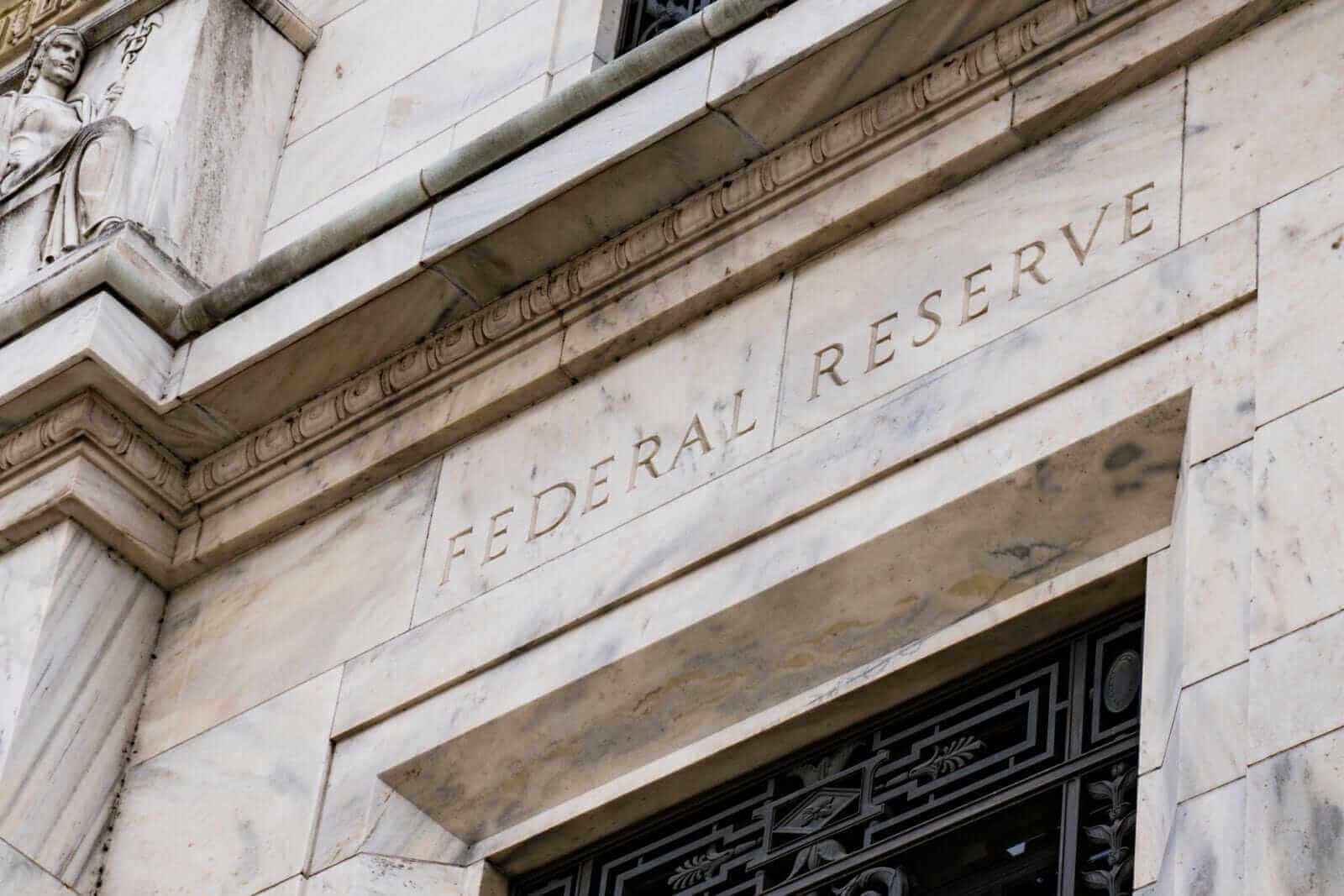
The 10-year U.S. Treasury yield ($TNX) surged to 5.041% earlier today, marking its highest level since July 2007 and representing an 86-basis-point climb since the start of 2026. This 19-year high in benchmark borrowing costs has arrived at a critical juncture, with the Federal Reserve commencing its two-day policy meeting Tuesday and a rate decision expected Wednesday afternoon.
Markets are pricing in a 92.7% probability of a 25-basis-point hike, per CME's FedWatch Tool, which would lift the federal funds target range to 3.75%-4.00%. That overwhelming consensus in favor of a rate hike is a dramatic shift from roughly 59% just one week ago.
How Energy Prices Are Pushing Bond Yields Around
The primary catalyst behind the yield surge is the combination of persistent inflation and escalating energy prices tied to the Middle East conflict.
Brent crude (CBX26) has risen above $107 per barrel – up roughly 76% year-to-date and nearly 50% since the U.S.-Iran war began in late February – after attacks by Iran-backed Houthi militants forced the shutdown of Saudi Arabia's critical East-West pipeline, which had been handling between 2.6 million and 4 million barrels per day as an alternative route bypassing the already-disrupted Strait of Hormuz.
August consumer price data confirmed inflation remains stuck near 3.4%, well above the Fed's 2% target, effectively sealing the case for a rate increase.
Beyond the immediate inflation dynamics, structural forces are compounding pressure on the bond market.
Massive corporate borrowing to fund artificial intelligence (AI) infrastructure is flooding markets with new debt while simultaneously pumping stimulus into a resilient economy.
The federal budget deficit remains near $2 trillion, and governments globally are issuing record amounts of sovereign debt at a time when traditional buyers – pension funds, foreign central banks, and other long-term holders – have materially reduced their Treasury allocations, leaving more price-sensitive investors like hedge funds to fill the void.
Treasury Secretary Scott Bessent's efforts to calm bond markets through expanded buyback operations – tripling purchases to at least $4 billion per operation – have failed to arrest the selloff, and his appearance before the House Financial Services Committee on Tuesday is expected to draw pointed questions about the administration's strategy.
Topics in this story
Gathered from external sources. Rights to this text belong to whoever originally published it.