Hold the rate. The Fed can’t pump oil.
The Federal Reserve opted to maintain interest rates between 3.75 percent and 4 percent during its recent meeting, a decision supported by analysis suggesting that recent inflation was primarily driven by energy costs rather than widespread economic pressure.
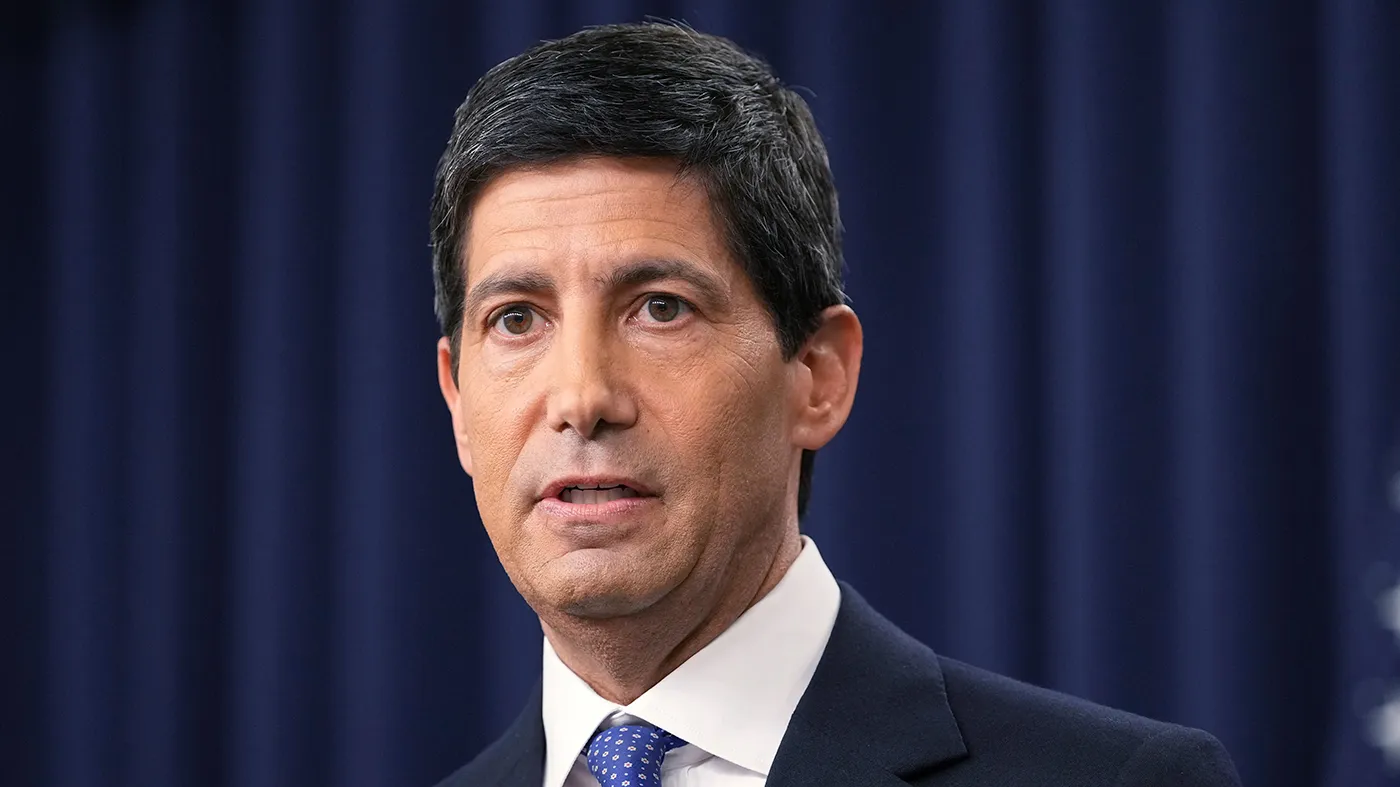
At its recent meeting, the Federal Reserve decided to maintain its interest rate target , forgoing a hike that would have been the second in six weeks. The target federal funds rate remained between 3.75 percent and 4 percent, with two members of the Federal Open Market Committee dissenting.
The Fed should be commended for its decision. While some may argue that recent inflation justified a rate hike, the increase in aggregate prices was almost entirely predicated on energy cost increases. The fact is that no central bank on earth has ever lowered the price of a barrel of crude by raising the cost of a home equity line of credit.
Consumer prices are up 3.7 percent over the past year. Energy is up 20 percent and gasoline 34 percent. Energy alone accounts for about 1.4 points of that 3.7 — around the same as housing, which normally drives the index and carries more than a third of its weight. When the energy shock is stripped out, the inflation picture changes dramatically.
Economists, and indeed the Fed, know that energy is the most volatile component, which is why they point to core inflation, the index that leaves out food and energy prices. However, even that might not provide the full picture of just how much oil price changes permeate the entire economy.
The issue is that core removes prices by category, not by what drives them. Despite jet fuel being one of the highest costs an airline pays, airline fares are counted within core; fares are up 22 percent over the year . So are the trucking and delivery charges baked into the price of nearly everything in shopping malls.
Reaching a better methodology would require asking this: What would inflation have been if energy and the goods and services that are most energy intensive had risen at a normal 2 percent rate while measuring the realized prices of everything else?
Using the Labor Department’s own weights for the Consumer Price Index (CPI), the answer is 2.1 percent over the past year and about 2.5 percent over the past three months. Month by month, even as crude oil rose from the low $80s to above $100, this measure was 0.20, 0.22, and 0.21 percent, respectively.
If we apply the same methodology to the Personal Consumption Expenditures Price Index, the Fed’s preferred method of measuring inflation, that figure is still at 2.6 percent year over year. This includes the latest September Personal Consumption Expenditures Price Index data that was released on Oct. 29, the day after the Fed meeting, further reinforcing that the Fed made the right choice.
The Fed’s own regional banks also reach the same conclusion through a different calculation. The Dallas Fed’s “trimmed mean” measure, which discards the largest price swings each month, fell to 2.2 percent in August, its lowest reading of the year. The Cleveland Fed’s median price index was at 2.6 percent in September. Every one of these methods says that inflation is within a point of the target.
In August, Fed Chairman Kevin Warsh argued at Jackson Hole that inflation is “widespread” because more than half of the 199 categories in the government’s price index rose faster than 3 percent. The problem with this framing is that it equally weighs all goods categories, regardless of how much of a family’s budget each constitutes.
The above measures show that when one accounts for what portion of household budgets go to various items, inflation is not widespread; it is instead largely limited to oil-dependent items. In these circumstances, there was little justification to reach for a blunt instrument whose costs fall on the entire economy.
An October hike would have put unwarranted pressure on Americans. Families would have faced higher payments on car loans and credit cards. Small businesses would have paid more to borrow. Not to mention the fact that the effects of an interest rate change take a year or more to fully suffuse through the economy, meaning the full effects of a hike would have persisted far longer than the current energy shock.
The Fed was right to hold rates in October, and moving forward, they should also give greater weight to measures that account for the kind of narrow price shocks that we see today. Whether it’s the “trimmed mean” or holding energy-intensive goods to 2 percent, the public deserves to know what specifically is driving price changes, which in turn also provides them with greater clarity on long-run trends.
Warsh also indicated that some future meetings would focus on monetary policy strategy, not just rate setting. This bodes well for taking seriously the reports from the taskforces he created upon taking office, particularly the two looking at improving the data the Fed uses to make policy and the appropriate size of the Fed’s balance sheet.
Interest rates are a powerful lever but must be targeted towards inflation pressures that are responsive to interest rate changes. Higher rates do not correct for an energy shock derived from a war in the Middle East.
Michael Faulkender is co-chair, Economy and Trade Policy; chair, AI and Emerging Technology Policy at AFPI and former deputy secretary of the U.S. Department of the Treasury. Jeff Schlagenhauf is director of Economy and Trade Policy at AFPI.
Topics in this story
Gathered from external sources. Rights to this text belong to whoever originally published it.