For Nike, a comeback is a marathon and not a sprint
Nike CEO Elliott Hill is clear-eyed about his company’s problems, bluntly telling a packed room at the company’s first investor event in a decade: “We’re not...
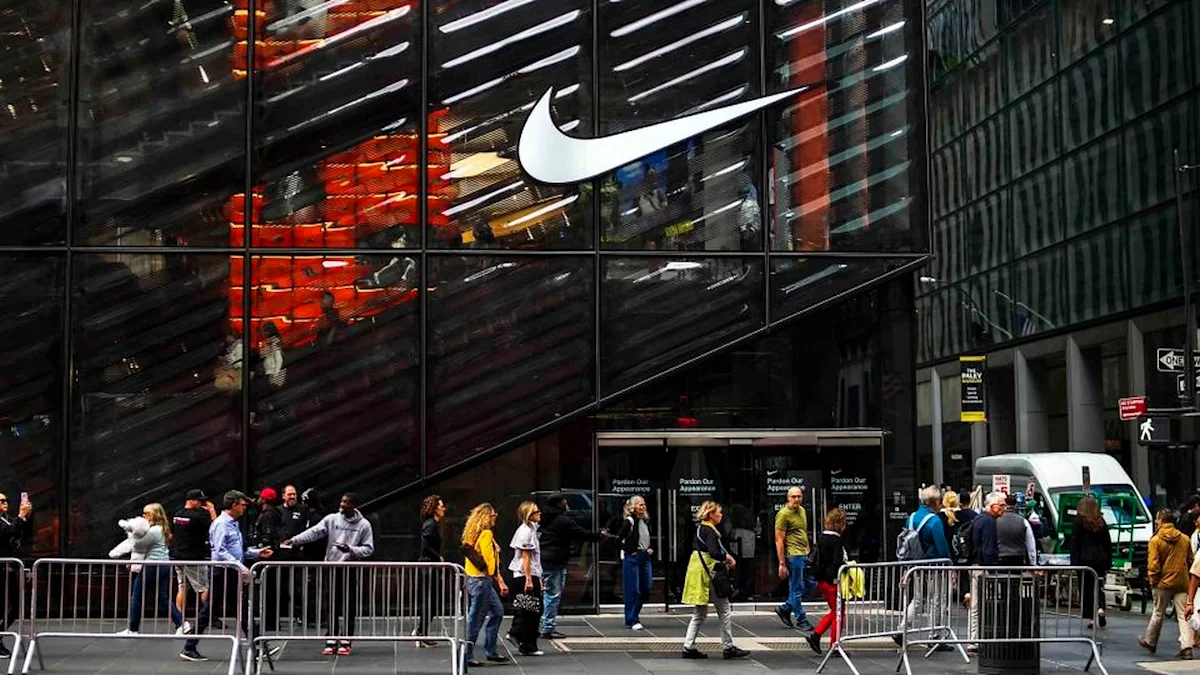
Nike CEO Elliott Hill is clear-eyed about his company's problems, bluntly telling a packed room at the company's first investor event in a decade: "We're not where we want to be."
Nike, the company behind the iconic "Just Do It" slogan, Air Jordan and other trailblazing shoes that changed distance running, was once the envy of the athletic footwear and apparel industry.
Now, it's rolling out a comeback plan as the stock hovers at a 13-year low and the company is steeped in a several-year streak of flat or declining sales as consumers switch to trendier sportswear brands. Employees are also bracing for another wave of layoffs next year, marking the fourth round since Hill took the top job in 2024 .
Nike's problems are largely "self-inflicted," according to Joseph Civello, a research analyst for Truist Securities, pointing toward its strategy shift a few years ago under its previous CEO. Nike began selling its shoes and apparel on its own website and stores rather than relying on outside retailers. (Hill has reversed those plans.)
"That led them to a very complacent state, where they were launching the same product over and over again, and weren't really innovating," he told CNN, adding that since Nike was no longer close to its retail partners, it was slow to notice sales slipping. The problem was masked, he said, because "the same old Jordans were selling extremely well."
With Nike absent from the shelves at traditional retailers, sales of smaller competitors surged, like Brooks Running, On or Salomon. While those brands are still "ankle biters" in terms of market share compared to Nike, Civello doesn't expect them to give up those gains as they've innovated well and tapped into social media to reach consumers.
Still, Hill is optimistic about the future of the world's largest sportswear company.
"We have a growing market, more ways to serve athletes and advantages built over decades," he said.
Nike's plan focuses on improving innovation and strengthening relationships with individual athletes and communities, such as a newly inked deal with Formula 1. It's also developing a faster supply chain to be more responsive to trends.
The company will also emphasize products for performance sports, like running, training and basketball, as well as reimagining its products from its Nike Sportswear, Jordan and Converse brands.
However, Nike says any benefit from the turnaround is years away.
Nike forecasts revenue will stay flat or even decline for another two years before growth returns. The company then expects $5 billion in additional revenue by 2031 from improvements in its performance sports and sportswear brands.
Topics in this story
Gathered from external sources. Rights to this text belong to whoever originally published it.