Still sending checks in the mail? It's time to stop.
Check fraud is rising even as the number of checks in circulation is declining. If you're still sending them in the mail, it may be time to stop.
Every time you send a paper check in the mail, consumer advocates say, you're putting your bank account at risk.
Check fraud is rising, even as the number of checks in circulation is declining. In 2025, federal data shows , Americans lost more money to check fraud than to debit card or gift card scams.
Consumers are writing fewer checks these days, but the amounts are larger, and thieves know it.
"Criminals know that when they see a check in the mail, it's less likely to be a $10 check and more likely to be a $10,000 check," said Scott Anchin , senior vice president of strategic initiatives and policy at the Independent Community Bankers of America.
Paper checks used to be everywhere. By 2024, however, they represented just 3% of all payments in the United States, according to the Federal Reserve .
Consumers used to write checks to pay bills, buy groceries and re-up at the gym. Today, people often write checks for larger one-time transactions, such as paying a contractor or a tax bill.
Larger checks mean higher stakes for fraud
Larger checks mean higher stakes for thieves. Check fraud has been around for ages, but modern tech gives fraudsters new and more powerful tools.
"Twenty years ago, 30 years ago, we were talking about solo operators," Anchin said. "Now, you have real organized criminal gangs who engage in check fraud. They steal checks en masse. And then they have an incredible amount of technology they can use to alter the check or to create new checks out of whole cloth."
While electronic payments have grown increasingly sophisticated in recent years, the paper check hasn't really evolved.
"The check is still fundamentally the same," said Joe Bernardo, head of fraud and claims at Wells Fargo. "And fraudsters are always looking for weak points in the process to exploit."
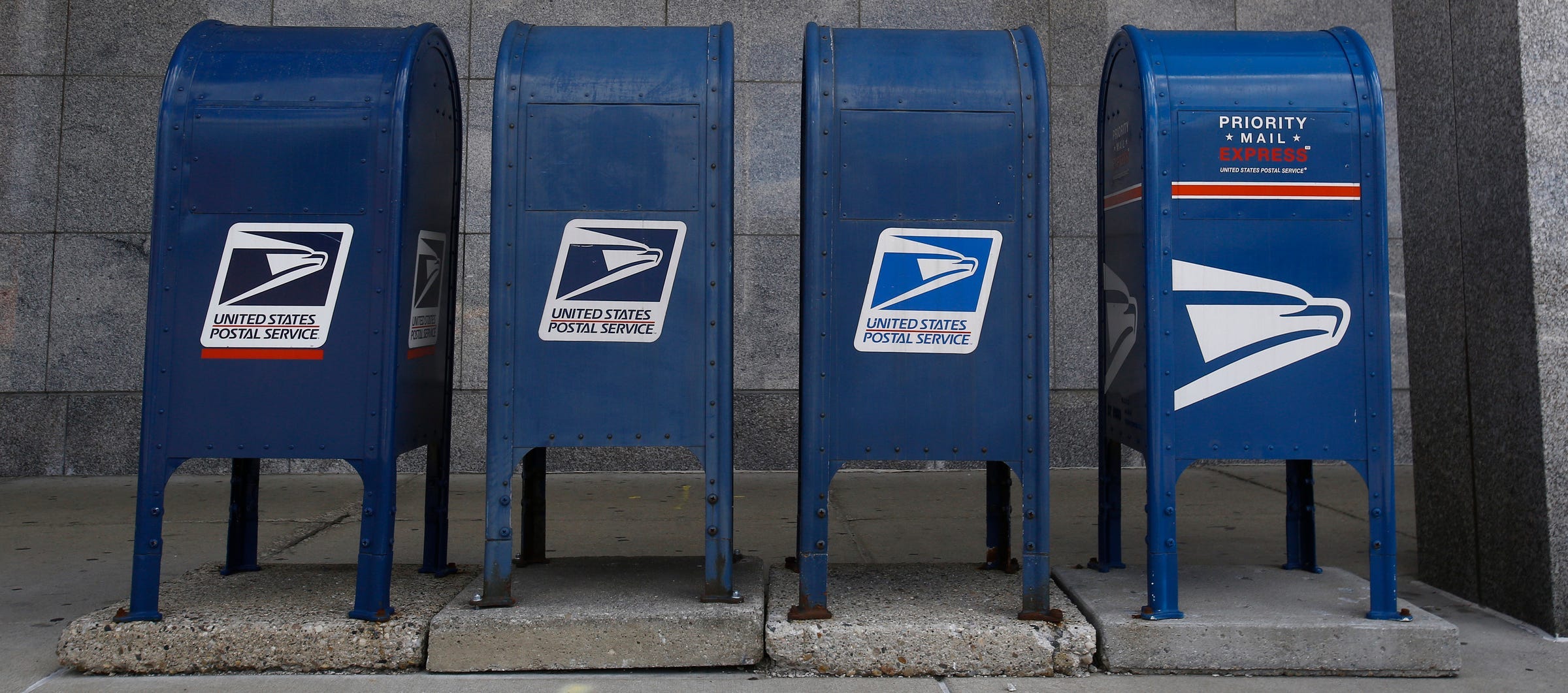
Thieves pull checks from residential mailboxes and fish them out of USPS drop boxes. Larger operations steal entire bags of mail.
Once the criminals have your check, they can "wash" your name off with acetone, bleach or rubbing alcohol, said Adam Rust, director of financial services at the Consumer Federation of America.
The thief can change the amount and the payee and deposit the check themselves. Or, they can leave it blank and sell it on the dark web.
The information on your check alone puts your finances at risk.
"Your account number and routing number appear on the check," Rust said. "It's very personal. It's very sensitive."
Chuck Bell , programs director for advocacy at Consumer Reports, became a victim of check fraud in 2021. Thieves found his heating bill in a collection box, doctored the check and cashed it for $25,000. He recovered the money a few weeks later.
Topics in this story
Gathered from external sources. Rights to this text belong to whoever originally published it.