Samsung Buyback Highlights Korea’s 45% Preferred Stock Discount
Samsung Electronics Co.’s anticipated equity buyback is raising investor expectations that the Korean giant will buy up non‑voting preferred shares, narrowin...
(Bloomberg) -- Samsung Electronics Co.'s anticipated equity buyback is raising investor expectations that the Korean giant will buy up non‑voting preferred shares, narrowing a steep discount and setting an example for others.
More than 100 South Korean companies, including Hyundai Motor Co. and LG Chem Ltd., have issued preferred shares, raising capital without diluting founding families' voting power. They pay a small dividend premium over common stock, but trade at an average of a 45% discount in a symbol of capital misallocation, according to Sachin Mistry, a portfolio manager at Palliser Capital in London.
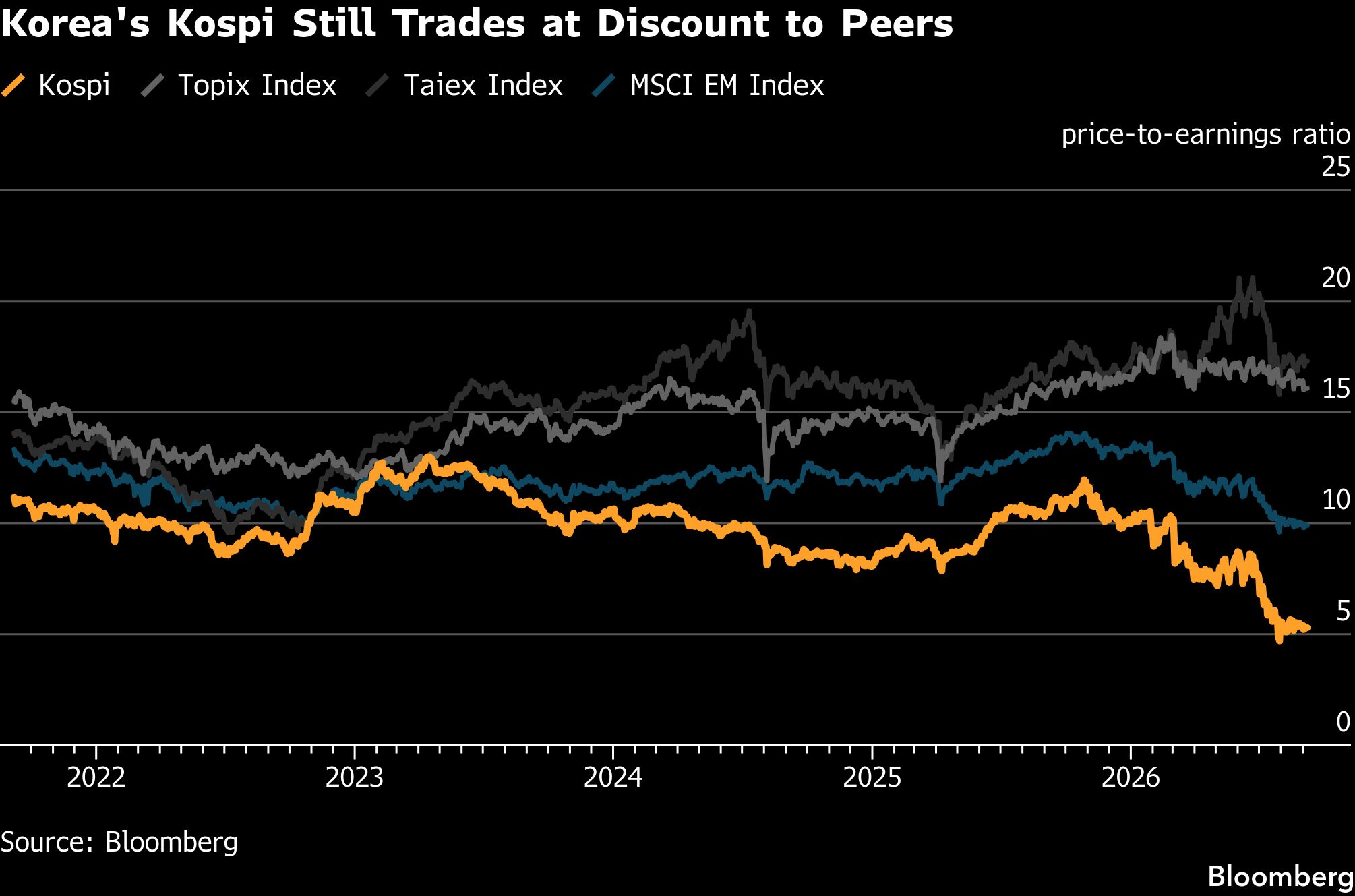
Market watchers expect Samsung to target its discounted preferred stock in any buyback, as it would save money and also help sidestep a rule that could force its affiliates to sell down its holdings. The low prices are a flashpoint for investors as Seoul advances governance reform to eliminate the 'Korea discount,' a long-standing equity market undervaluation.
"There is a momentum for the discount gap to narrow," said Han Sangkyoon, chief investment officer of Quad Investment Management, which earlier this year sold Samsung's common shares to add preferreds, betting on the valuation gap to narrow. "Preferred shares are at an excessive discount," he said.
Last month, Samsung Electronics said it will spend up to 110 trillion won ($81.8 billion) to share its artificial intelligence windfall, in one of the largest ever shareholder-return programs worldwide. While it didn't specify how much will be used for buybacks, there's a 26% gap between the preferred stock and common equity.
That spread is at its widest in more than a decade, according to Bloomberg-compiled data, even after narrowing from 37% in recent months due to buyback expectations.
Hyundai Motor also announced in August a stock buyback program that includes preferred shares. Hyundai's common shares' premium over preferreds currently exceeds 50%.
"Companies can save their future dividend payout if they buy back and cancel preferred shares," said Kang Dong-oh, a retail investor who launched a campaign to boost preferred stock valuations. "The more companies buy back preferred shares, the more all shareholders benefit."
Topics in this story
Gathered from external sources. Rights to this text belong to whoever originally published it.