America’s Affordability Crisis Is Hitting the Used-Car Lot
Benjamin Young’s recent wrangling on the used-car lot shows just how punishing America’s affordability crisis has become.
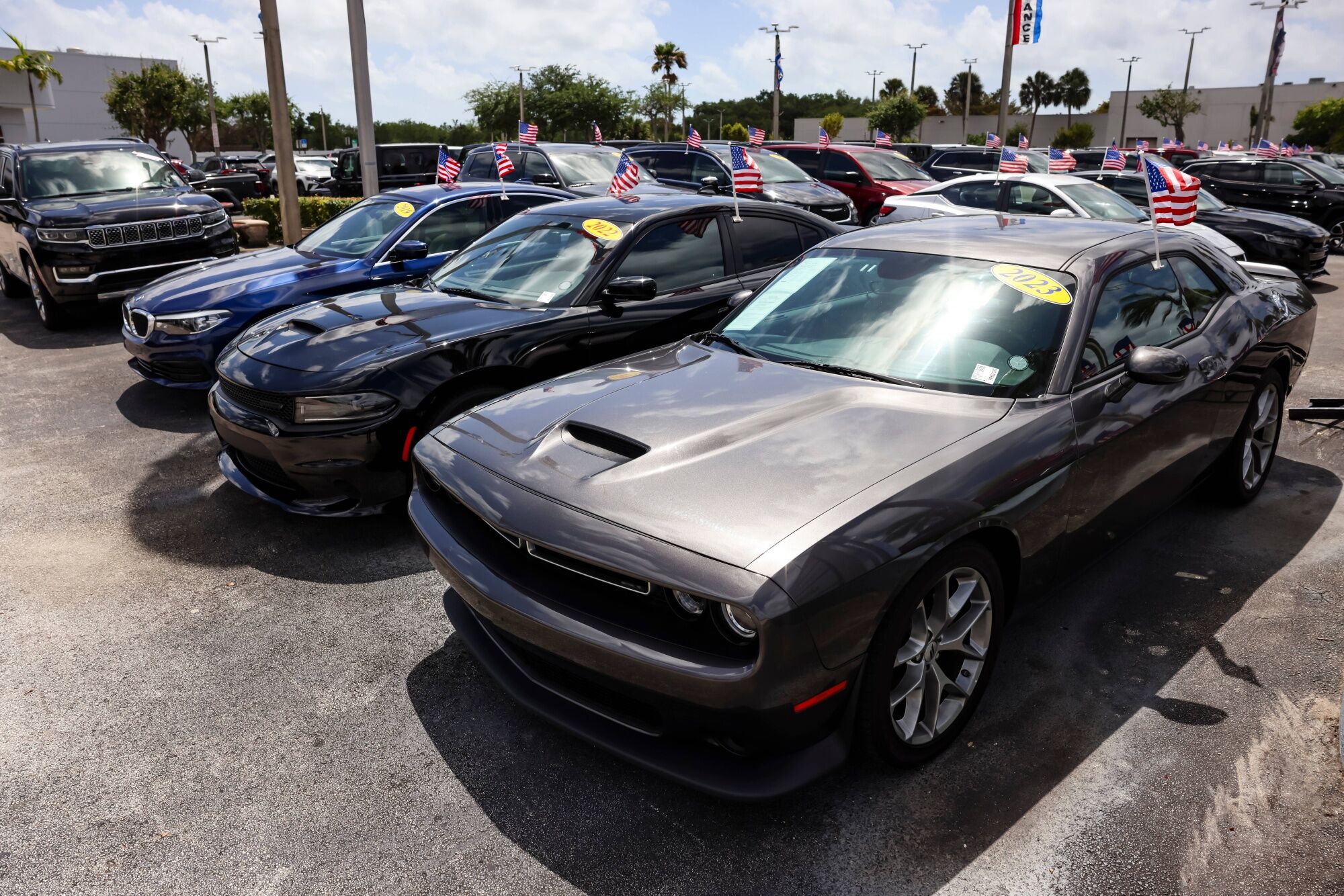
(Bloomberg) -- Benjamin Young's recent wrangling on the used-car lot shows just how punishing America's affordability crisis has become.
The Florida resident paid $30,000 for a Toyota 4Runner loaded with the features he wanted — but the SUV has been driven 90,000 miles and is 12 years old. In 2023, he bought a Toyota Venza with similar mileage for half that price.
"I'm definitely getting less for the money," said Young, a 48-year-old process engineer near Jacksonville.
So are the millions shopping the pre-owned lots these days. A used car priced between $10,000 and $15,000 today is almost nine years old on average and has 98,000 miles on it, according to auto research site Edmunds. In 2019, the same budget bought a car under five years old with about 58,000 miles.
The squeeze starts with new cars, which are selling for record prices and eventually command hefty premiums when they hit the used market. A new 4Runner now costs about twice what Young paid, while even a basic Honda Civic starts at $25,000. For buyers on tighter budgets, that increasingly means settling for older, higher-mileage vehicles that are more likely to need repairs.
It's the latest sign of how the traditional American dream is increasingly tougher to attain. Voters returned President Donald Trump to the White House partly on his vow to bring prices down. But inflation has been back above 3% — the level when Trump took office — since the president went to war with Iran in late February, sending energy prices soaring.
US mortgage rates last week climbed to the highest level in more than a year, and consumer sentiment slid below estimates in September. Polls show Democrats are leading in their bid to retake the House of Representatives in the November midterm elections and have a good shot at control of the Senate with Trump's approval ratings lagging.
This week, the Federal Reserve raised interest rates, and investors are betting more hikes are in store to cool inflation. That's going to make borrowing even more expensive for Americans already grappling with a structural change in the car market.
For two decades leading up to the Covid-19 pandemic, new models were affordable and more buyers were leasing. Competitive automakers pushed big rebates, cheap leases and 0% financing to ramp up sales. Those leases sent a parade of low-mileage cars to the used lots every year.
Topics in this story
Gathered from external sources. Rights to this text belong to whoever originally published it.