Labor Day Gasoline Just Hit a Record. Here’s What Comes Next
The surge is becoming a political liability, with the Iran war estimated to have added over $100 billion to Americans’ energy costs ahead of the midterms.
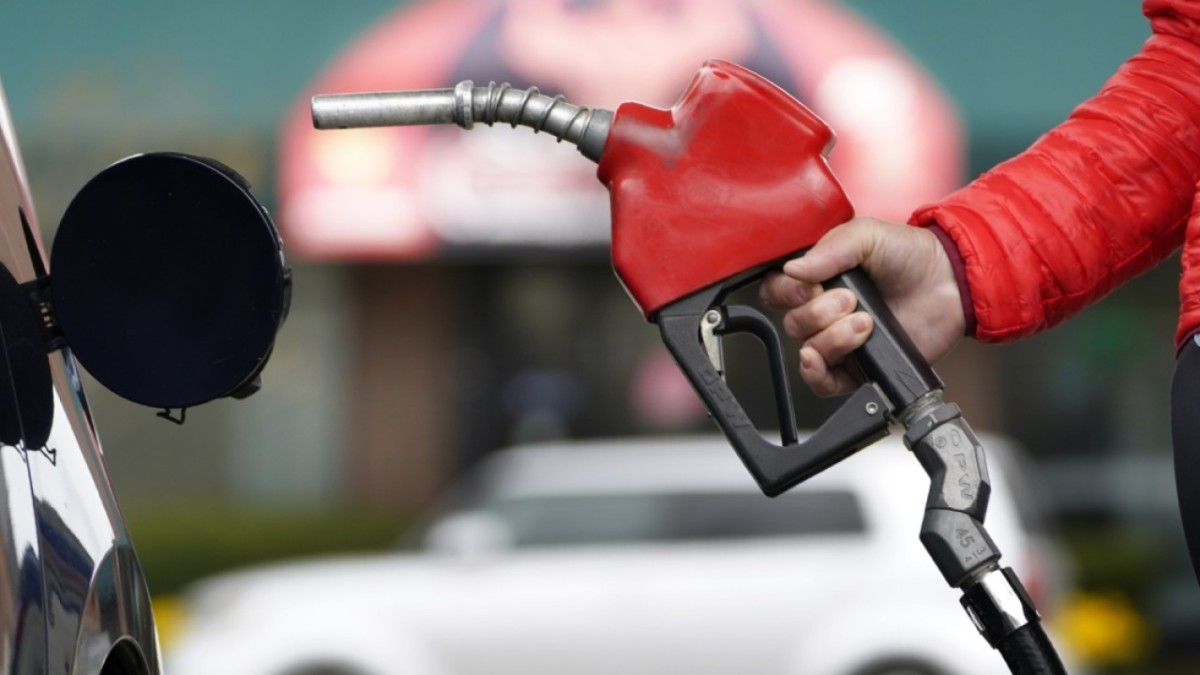
Beyond its historical roots as a day to honor the achievements and contributions of workers, Labor Day has emerged as one of the largest retail sales weekends of the year in the U.S., second only to Black Friday. People usually travel in large numbers, too, with the Transportation Security Administration (TSA) expected to screen more than 17 million passengers over the holiday. However, motorists were feeling plenty of pain at the pump this time around: the national average cost of unleaded gasoline clocked in at $4.15 per gallon on Monday, 30% higher from a year ago and well above the previous Labor Day record of $3.83 per gallon recorded in 2012 thanks to the ongoing conflict in the Middle East. Diesel prices are similarly elevated, having jumped to $5.90 per gallon, up from $3.70 per gallon a year ago.
"While gas prices are not at their all-time highest, they have reached a record level this late in the year, meaning Americans could see a national average above $4 per gallon for the first time on Labor Day," Patrick De Haan, chief analyst at GasBuddy, wrote in a recent blog post.
While motorists in California, Hawaii and Washington are currently paying the most for their gas, those in Utah, Colorado, Montana, Idaho, Wyoming and North Dakota have experienced the steepest price increases since the war began. High fuel costs have forced drivers to cut back on holiday road trips and cancel long-distance autumn and winter travel plans, with domestic air fares ~20% more expensive than the previous year over Labor Day.
There is no reprieve in sight: renewed military escalations between the U.S. and Iran have reversed the recent decline in crude prices, with Brent crude for November delivery jumping more than $6 over the past week to trade above $97 at the beginning of the week, with WTI changing hands at over $92.
Over the weekend, the U.S. military struck and sank three Iranian oil tankers in response to Iran's Islamic Revolutionary Guard Corps (IRGC) targeting U.S. Navy warships with ballistic missiles. The sunk oil tankers included a very large crude carrier (VLCC) struck in the Persian Gulf near Kharg Island as well as two Suezmax vessels near the Gulf of Oman. The IRGC recently launched Qasem Basir anti-ship ballistic missiles and claimed hits on an American aircraft carrier, though Washington has denied that any vessels were damaged.
Meanwhile, Israeli forces have maintained heavy bombardments in southern Lebanon targeting Hezbollah, with Iran retaliating by striking bases in Kuwait and the United Arab Emirates (UAE). Iranian Parliament Speaker Mohammad Bagher Ghalibaf has warned that U.S. oil and gas companies operating in the Middle East are legitimate targets if the U.S. continues attacking Iranian tankers and maintaining its naval blockade while Iran's Supreme National Security Council has announced plans to establish a maritime exclusion zone outside the Strait of Hormuz to enforce a restricted zone and stop any vessels attempting to transit without Iranian permission.
Topics in this story
Gathered from external sources. Rights to this text belong to whoever originally published it.