The jobs report just put Fed chair Kevin Warsh's new playbook to work: One Big Investment Idea
Every Fed chair watches data and markets. Warsh's distinction is that he wants to say less about the future rate path and make markets do more of the interpr...
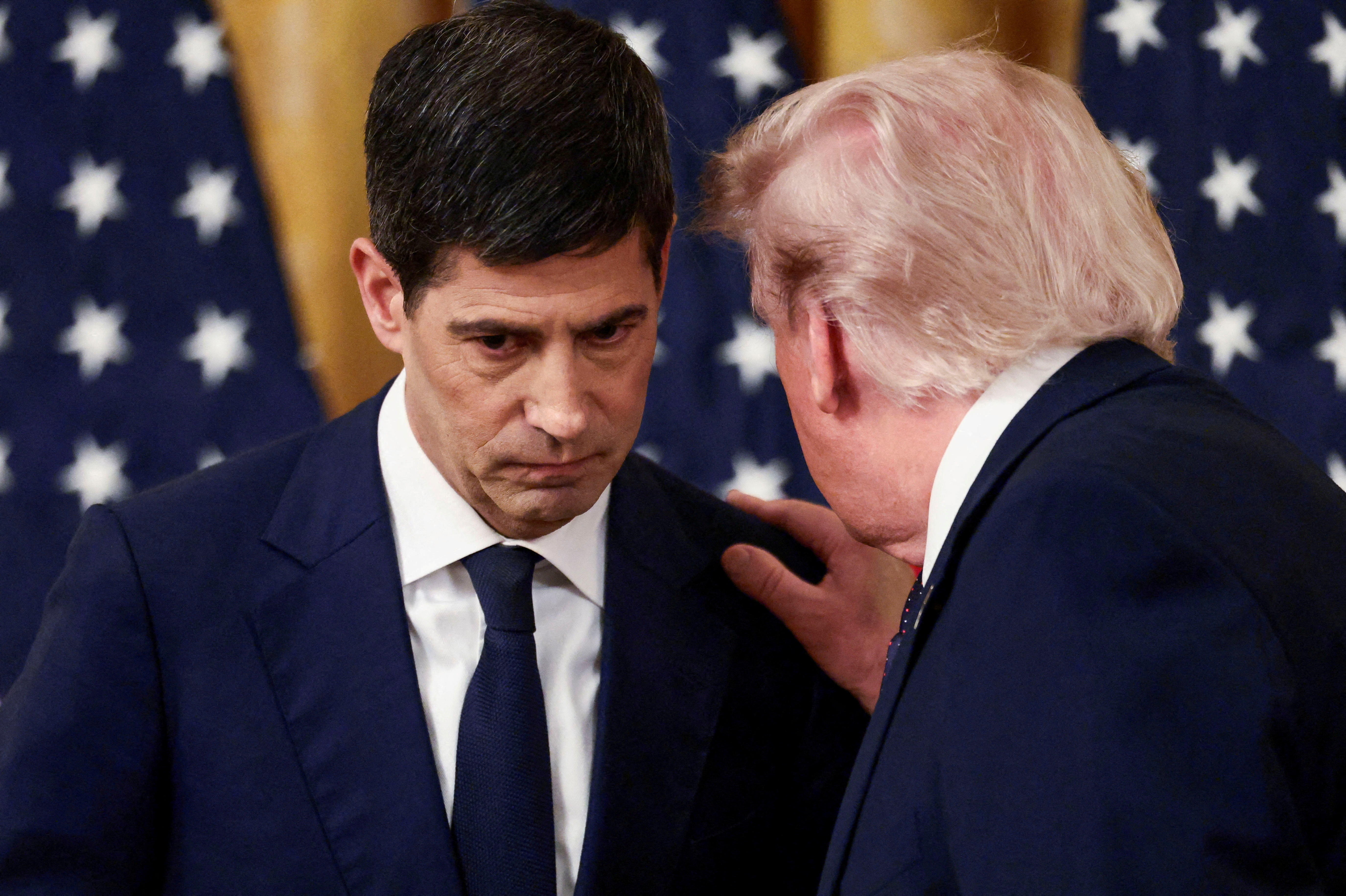
Wall Street is still obsessing over Friday's payroll numbers. Federal Reserve Chairman Kevin Warsh may barely flinch.
That is one of the clearest lessons from Warsh's first Jackson Hole speech as chair one week ago. He spent much of it arguing against the Fed guiding investors toward its next rate decision, then laid out a detailed framework for how he reads inflation, jobs, demand, corporate activity, and markets.
His current diagnosis leans hawkish. Jobs look solid, inflation pressures remain too high, and broad financial conditions do not look restrictive.
Every Fed chair watches data and markets. Warsh's distinction is that he wants to say less about the future rate path and make markets do more of the interpreting — part of his push to have markets guide the Fed rather than simply echo it .
Friday's report gave the new playbook its first real test. Employers added 162,000 jobs in August, nearly triple expectations, while June and July were revised up by a combined 55,000. Unemployment held at 4.1%, participation rose, and broader underemployment fell.
Run that through the Warsh decoder, and the labor signal is fairly straightforward. The report reinforced his view that the jobs picture is "consistent with full employment" rather than producing the combination of rising unemployment and broader stress that might make him ease up on inflation.
RSM chief economist Joe Brusuelas told Yahoo Finance the report was "setting up for a rate hike" in September. But he also spotted an important caveat: "The composition of the report was decisively tilted towards lower wage jobs. So the doves at the Fed will have some ammunition."
These are the five big lenses Warsh has emphasized and the evidence most likely to change his read.
Is inflation becoming less widespread and moving toward 2% fast enough?
PCE breadth (how widespread price increases are) + 6-month trend
Real consumer spending + private investment
Strong earnings or capex without the direction of change
Are markets making policy easier or tighter?
Reading a market move only as a Fed prediction
Rates, stocks, dollar, credit, volatility
Inflation works like jobs. Warsh said better summer CPI and PCE readings did not show that underlying inflation had "meaningfully improved." He also counted how many of the 199 PCE categories were rising faster than 3% — a direct measure of how widespread inflation remains.
Topics in this story
Gathered from external sources. Rights to this text belong to whoever originally published it.