Bond Yields Are Soaring. Why That's Bad for Homebuilder and Automaker Stocks.
Auto and home loan rates are rising with bond yields, adding to affordability concerns.
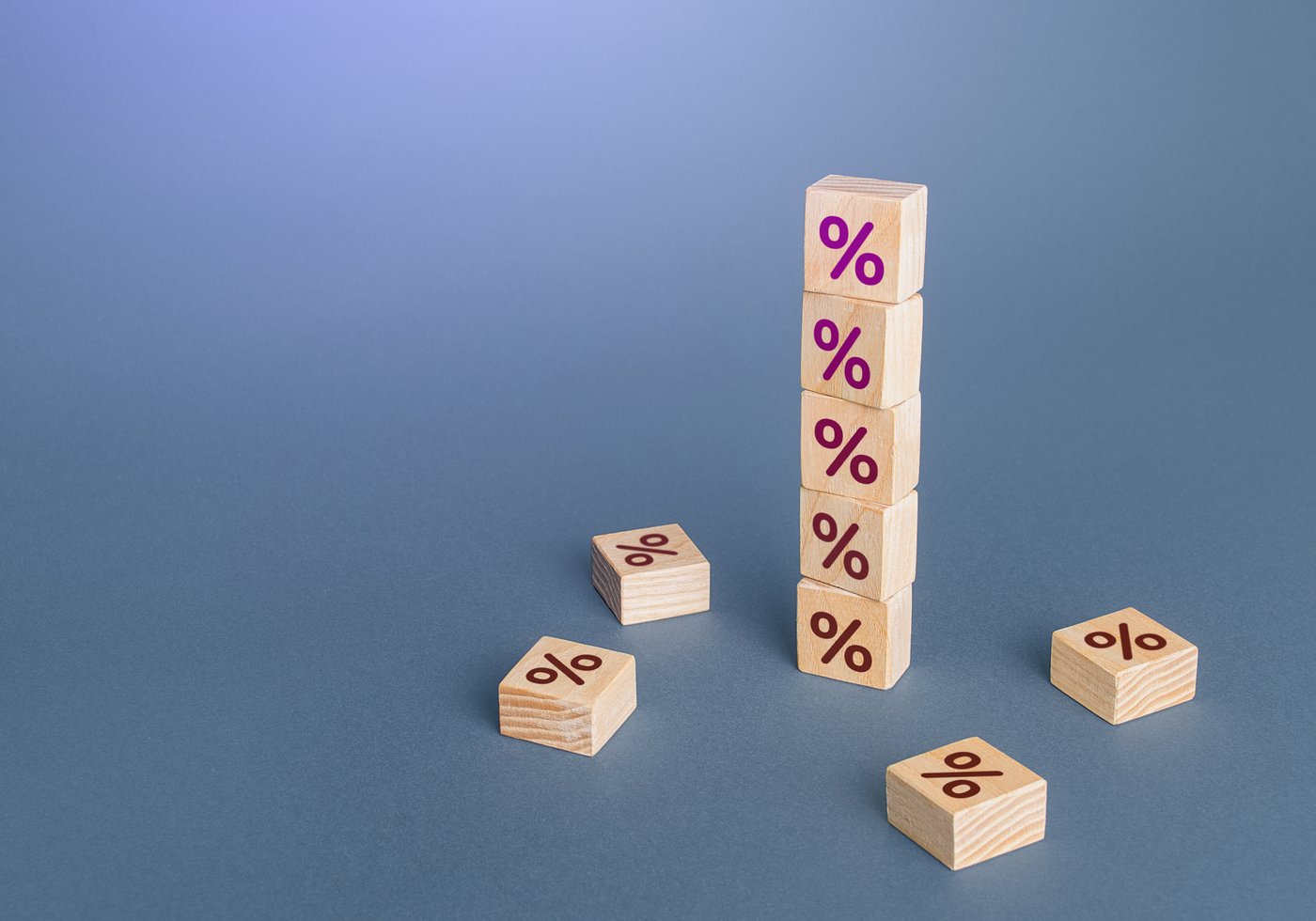
Most investors have heard by now that yields on government bonds are soaring. It's been on the front page of every newspaper.
Yields are rising as bond investors around the world are selling many of their longer-maturity bonds -- like those maturing in five, 10, and 30 years -- amid worries about rising U.S. government debt and inflation. When they sell those bonds, their prices fall and their yields, which move in the opposite direction of price, rise.
Missed Nvidia in 2009? This Rare Signal Is Flashing Again. In 2009, a "Double Down" signal flashed for a little-known chipmaker called Nvidia. For the first time in years, that same "Total Conviction" signal is flashing for a company 1/100th the size of Nvidia. Continue »
That might seem to many stock investors like a bond market problem -- and thus nothing to really worry about. But in fact, rising yields have a huge impact on the stock market in multiple ways.
One particular impact of rising yields is on homebuilder and automaker stocks . Because auto and home loans are based on bond yields, higher yields make home and auto purchases more expensive to finance.
The average car loan length is about six years -- 5.8 years for new cars and 5.6 years for used cars. So, lenders use the five-year Treasury yield as their base index cost. And that yield has risen this year to 4.55%, up from 3.73% as of Jan. 1. As a result, the average rate on a 60-month car loan is now around 7%, though it was as high as 9.45% in April.
As a result, buying a car is now more expensive. Investors know this, and that's part of the reason automaker stocks are down all of a sudden. General Motors (NYSE: GM) shares have fallen 5% over the past month, while Ford Motor Company (NYSE: F) shares have dropped 5.8%.
Rising yields only add to the housing sector's pain
It's a similar story with mortgage rates. A typical mortgage is 30 years, but the rate on those loans rises and falls with the 10-year Treasury yield because many homeowners refinance their loans long before 30 years. That yield is soaring, hitting 4.8% this week, from about 4.1% at the beginning of the year.
As a result, the average 30-year mortgage rate now stands at 6.7%, according to Freddie Mac , double what it was five years ago. That higher rate has two big negative impacts on the housing market: It makes buying a house much more expensive, putting a home purchase out of reach for many Americans. It also discourages longtime homeowners like me, who enjoy mortgages with rates near 3%, from selling, because they don't want to take on a new home loan at twice the interest rate.
Topics in this story
Gathered from external sources. Rights to this text belong to whoever originally published it.