The Live Nation Empire That Music Fans Hate is at Risk of a Break Up
Critics say the music giant at the center of an antitrust lawsuit is crowding out independent venues — and making it harder for new acts to break through.
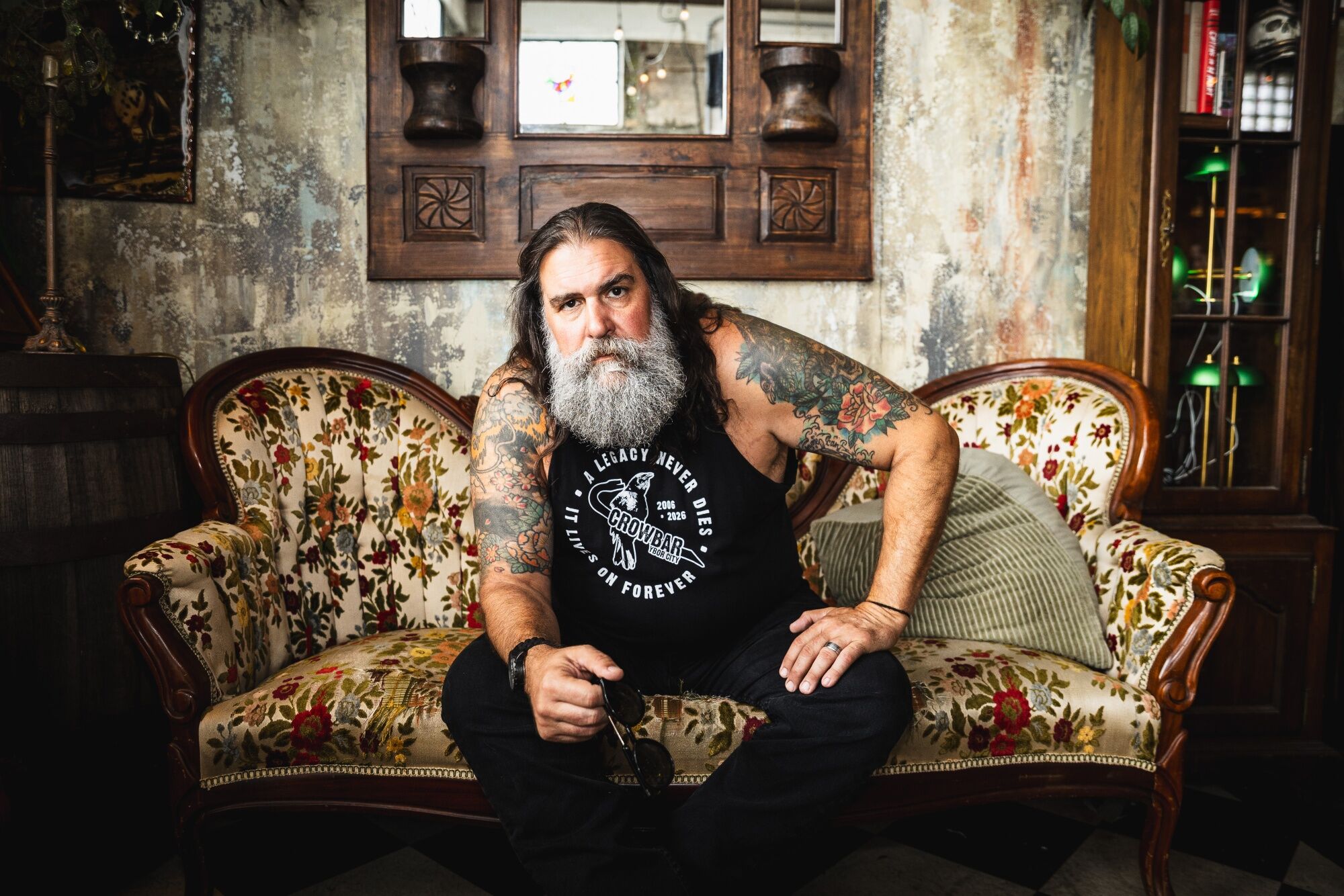
(Bloomberg) -- The Crowbar nightclub of Tampa, Florida never looked like much outside: a squat building with painted-over windows in a neighborhood where feral chickens roam brick streets.
Inside was where the magic happened. For 20 years, Crowbar's single, 300-person room served as a place to hear unknown artists before they broke or popular acts offering more intimate shows. Musicians as different as rock band OK Go, country's Kenny Chesney and indie-pop singer Chappell Roan graced its stage. A generation of local rappers honed their skills there.
On July 31, Crowbar closed its doors for the last time, beset by rising costs and the elephant in any discussion about concerts in the US: Live Nation Entertainment Inc. The colossus — which owns arenas and clubs, runs the nation's biggest ticketing service and manages musicians' careers — plans to build its own venue nearby. For Crowbar's final show, rapper Talib Kweli flew down from New York City, with local hip hop artists joining him onstage.
Across the country, some 480 independent venues and 240 music festivals have shut since 2020, with 160 shuttering so far this year, according to the National Independent Venue Association, a trade group for the industry. While the Covid-19 pandemic and surging inflation each played a role, so has the market power of Live Nation, according to Crowbar owner Tom DeGeorge and other independents. They struggle to compete against a $40 billion company that can steer artists to play one venue and avoid others while exerting significant control over ticket pricing through its Ticketmaster subsidiary.
This year, the Trump administration agreed to settle a monopoly case against Live Nation weeks after the company's CEO met with the president. The company denies any political interference. Displeased with the deal, a group of states fought on and, in April, won a landmark jury verdict that the company illegally monopolized live events. Now, those states want a federal judge to take the rare step of ordering a corporate breakup. Independent club owners and many musicians argue it's the only way to bring balance back to the market.
"If Live Nation wasn't the monopoly they were, I think all of our independent venues would have the ability to thrive much more," DeGeorge said in an interview. "When you have one entity that comes in that controls the entire ocean, nobody else gets to swim."
Topics in this story
Gathered from external sources. Rights to this text belong to whoever originally published it.