Oil Tanker Rates Top $1 Million a Day—3 Ways Investors Can Trade the Surge
As the Iran conflict pushes tanker rates past $1 million per day, investors weigh Okeanis Eco Tankers, International Seaways, and the Breakwave Tanker Shippi...
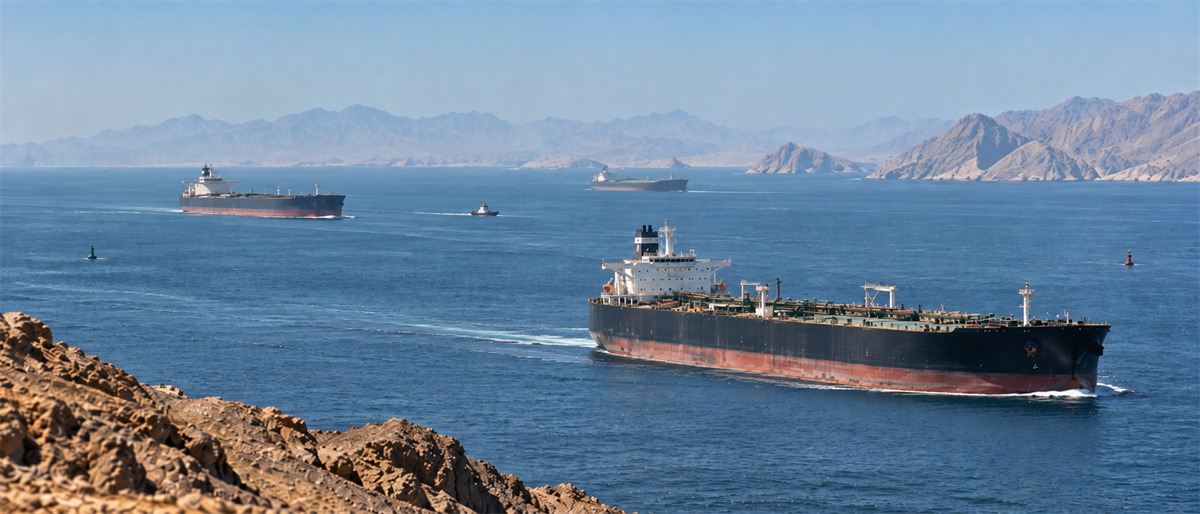
Oil tanker rates have become one of the energy market's most dramatic moves as Middle East disruptions tighten available shipping capacity.
The surge is shifting investor attention beyond oil producers and refiners toward companies and funds tied more directly to freight rates.
With tanker rates moving far faster than crude itself, shipping has become a market investors can't ignore.
American consumers seeking relief at the pump might want to look away the next time they pass a fuel station. WTI crude futures recently topped $105 per barrel before settling around $100, and diesel prices are soaring to unprecedented heights. A quick end to the Iran war seems out of reach, and investors are flocking toward stocks with upside in a prolonged conflict. In the early stages of the war, the focus was on crude prices as a proxy, but the profitability split between raw materials and refined products became too wide to ignore, which sent refining stocks soaring.
After all the turmoil of 2026, investors know how to adjust expectations, and the next trend in oil markets may not come from either upstream or downstream. Tanker rates have risen far faster than oil or gas prices, and adding capacity or bringing facilities back online can't fix this problem. Rates on the commonly used Baltic TD3C route connecting the Arabian Gulf to China topped $1 million per day on Sept. 16, and the spillover effect is even raising prices on routes far from the war zone. The setup now favors three distinct approaches, depending on where tanker rates go next.
Okeanis Eco Tankers: The Status Quo Trade
Okeanis Eco Tankers Corp. (NYSE: ECO) is a $3.3 billion market cap company operating a fleet of 18 carriers, including 10 Suezmaxes and eight very large crude carriers (VLCCs). During the Aug. 5 conference call for its fiscal Q2 2026 earnings, management reported that fleet expansion was complete and about 52% of total Q3 fleet days were open at the time of the call. CEO Aristidis Alafouzos also noted that the company's VLCC spot rates were 50% higher than peers that had already reported, and the open fleet days offered exposure to even higher potential rates in the future. That prediction proved poignant, and the open fleet days should provide a guidance tailwind in November if current rates hold.
ECO investors who believe that "stocks only go up" may want to familiarize themselves with another maxim: buy the rumor, sell the news. After trading sideways for most of the Iran conflict, the stock price has risen exponentially in the last few weeks. Resistance around the $57 level halted the upward momentum at every turn between March and July, but the Moving Average Convergence Divergence (MACD) indicator suggested that buyers regained control in mid-June. Now the stock has skyrocketed nearly 40% in the last month alone, and investors should monitor for profit-taking behavior as the MACD looks increasingly overbought.
Topics in this story
Gathered from external sources. Rights to this text belong to whoever originally published it.