I'm a Mortgage Advisor: 4 Homebuying Risks Gen Z Should Avoid for the Next Year
Younger buyers face an increasingly uphill battle to become homeowners. Watch out for the following risks as you explore buying a home over the next year.
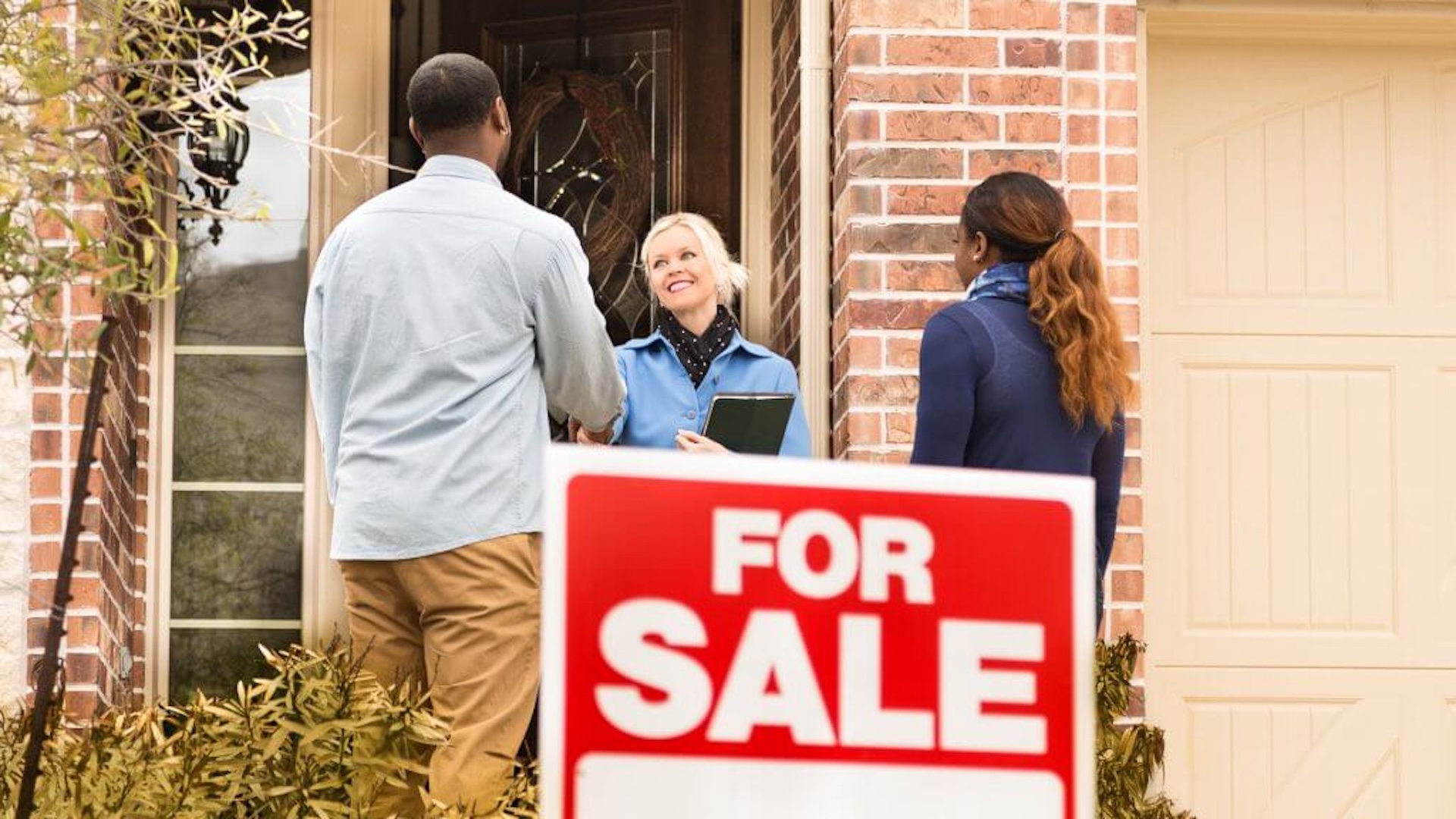
It's not your imagination; younger buyers face an increasingly uphill battle to become homeowners.
Fortune recently cited a National Association of Realtors (NAR) study that found the average homebuyer in the U.S. today is 59 years old. Perhaps even worse, NAR reported that the average first-time buyer is 40, a record high.
Meanwhile, first-time buyers make up a record low percentage of homebuyers at just 21%. Watch out for the following risks, as you explore buying a home over the next 12 months.
When first-time buyers get preapproved for a mortgage, the lender gives them an upper limit. Most then go out and shop for homes around that upper limit, rather than setting their price limit based on a comfortable monthly budget .
"The statement I hear most from new homeowners is that they bought at the limit of their budget and now they regret it," explains Cody Schuiteboer, mortgage lender with Best Interest Financial . "I tell my clients that they should pretend they make 10%-15% less than they actually do, to avoid a mortgage payment that prevents discretionary spending."
Remember, homes come with expenses beyond the monthly payment. Expect to pay 1%-3% of the home's value in maintenance and repairs each year. For a $400,000 house , that means $4,000-$12,000.
And that's to say nothing of rising escrow costs.
Many first-time buyers don't realize their property tax assessment will go up, based on the new purchase price. That means you can't budget based on what the seller currently pays in taxes — you need to budget based on the property tax rate multiplied by the new purchase price.
Imagine you go to buy a house for $400,000, where the county charges 1.5% in property taxes. If the current assessment is $300,000, the seller's only paying $4,500, but you'll pay $6,000 once the county reassesses the value based on the new transaction.
Insurance premiums can shoot up even faster. Insurance expert Mason Comerford of Eventual said that companies often under-quote homebuyers to reel them in, only to raise premiums on them:
"The carrier starts slowly with around a 5% increase in Year 1 and then more consistent 20% increases by Years 3 and 4, knowing clients usually stay because switching is a hassle."
Again, buy far below what you can technically afford, because higher costs will come for you.
Don't forego home inspections. They exist to protect you from nasty surprises once you move into the house.
Topics in this story
Gathered from external sources. Rights to this text belong to whoever originally published it.