Persian Gulf crude oil flows have largely recovered. For diesel and gasoline, it's more complicated.
While crude oil exports from the Persian Gulf region have returned to roughly 98% of their pre-war levels, product exports — of diesel, gasoline, and other d...
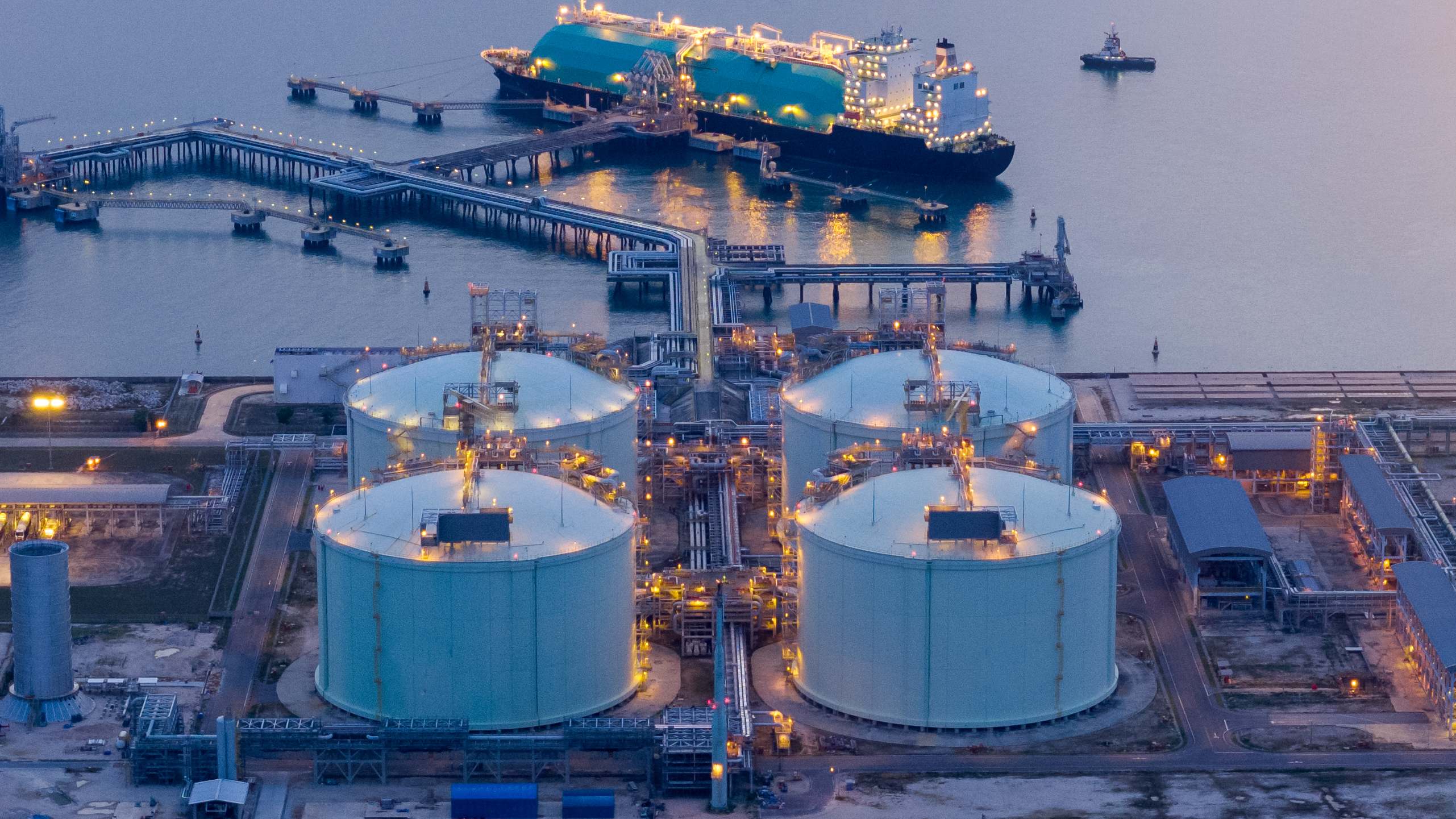
Exports of crude oil have begun to normalize in the Persian Gulf, bringing some relief to global buyers. But in the refined market for products such as diesel, gasoline, and jet fuel, analysts say the picture looks tighter, more expensive, and slower to recover.
While crude oil exports from the Persian Gulf region have returned to roughly 98% of their pre-war levels, product exports — of diesel, gasoline, and other derivatives — have recovered only to roughly 3 million barrels per day, or about 58% of their pre-war levels. Goldman Sachs analysts led by Daan Struyven peg that figure lower, at roughly 50% of their 2025 average.
"The crude market has largely normalized even as refined product supplies remain constrained," JPMorgan analysts led by Natasha Kaneva wrote to clients.
The split reflects the complexity added to refined products exports. Infrastructure damage to refineries in the Middle East has kept outages at roughly 2 million barrels per day, so the region is simply making less. Refined products are also more flammable than crude oil, the Goldman analysts note, making refined product exports through the Strait of Hormuz more risky under the threat of fire from Iranian militias.
The refined product market has been under added stress globally due to the war in Ukraine, where attacks on Russia's refining complex by the Ukrainian military have taken capacity offline and prompted Moscow to extend a national diesel export ban through at least October. Before that war began in 2022, Russia was responsible for roughly 10% of global diesel exports.
In the US, diesel prices have climbed to all-time highs , averaging $6.41 per gallon on Wednesday, per AAA. The stress on businesses and consumers from heightened diesel prices — roughly 73% above where they were one year ago — has prompted the White House to consider a diesel export ban. While such a move would almost certainly bring US prices down in the short term, it would ultimately add pressure to the global market , to which US pricing is intrinsically linked.
"Diesel is the fuel that moves nearly everything you buy — from trucks to tractors, trains and beyond," GasBuddy petroleum analyst Patrick De Haan wrote on X . "The world is short, and everyone's bidding for ours."
Gasoline prices also sit not far off seasonal highs, averaging $4.43 per gallon in the US on Wednesday, applying pressure to US consumers less than 40 days out from midterm elections that are critical for the White House and the Republican Party's control of Congress.
Topics in this story
Gathered from external sources. Rights to this text belong to whoever originally published it.