4 Financial Products That Are Better Through an App Than a Bank
For some people, banks will always be the preferable way of managing their money. For specific types of customers, however, financial apps can offer more.
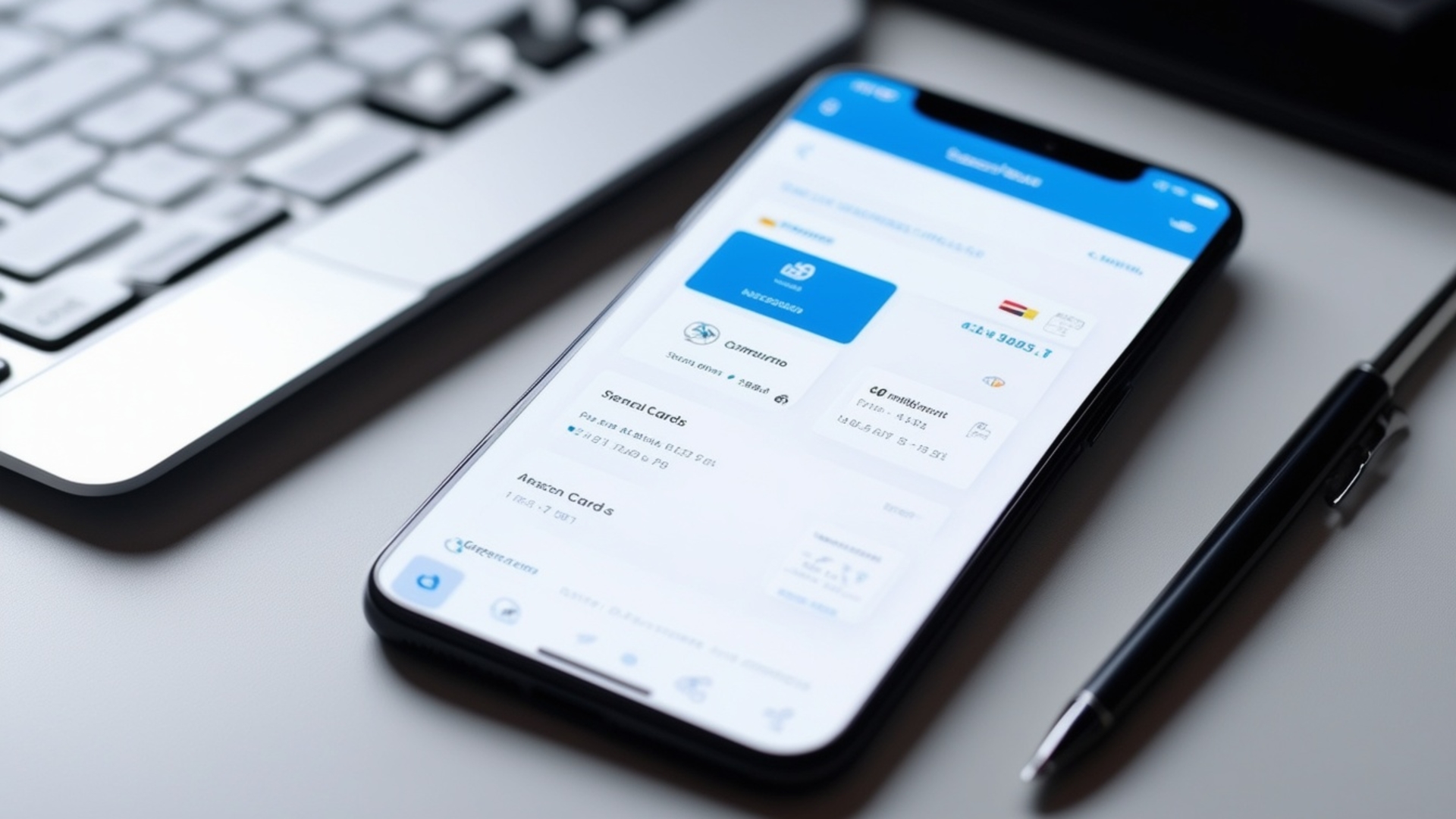
For some people, banks will always be the preferable way of managing their money. For specific types of customers, however, financial apps can actually offer more than brick-and-mortar banks.
Fintech apps offer a variety of easy-to-use features and benefits. Many come with low costs and high yields as well. But you will give up the face-to-face interaction that many traditional customers prefer. The best examples of where banking apps excel are with products where high interest rates and low fees are the top priority. Due to their higher overhead, many traditional banks can't compete in these areas.
Before you use a fintech app, however, verify that it has FDIC or NCUA insurance and the latest cyber protections against identity theft and hacking.
Online banks and fintech apps often outcompete traditional banks when it comes to high-yield savings accounts. As of August 2026, the FDIC's national average savings rate was a low 0.38%. Several online banks and app-based savings accounts pay 4% or more.
That's a huge difference that can really add up. For example, on $10,000, a 0.38% savings rate earns about $38 in a year before compounding. But an account paying 4% throws off $400. The product is essentially the same, but the app version can yield a rate 10 times as much, perhaps even more.
In most cases, the high-yield savings accounts you can open on an app are also fee-free.
Most banks offer their own certificates of deposit only. Apps and online banks, however, usually offer choices from banks across the country.
The FDIC reported an average national rate for 12-month CDs of 1.71% in August 2026. If your bank is only paying 1%, for example, an online bank may be able to find a CD yielding the national average rate or perhaps even more.
Apps and online platforms can make CD shopping easier because you can compare terms, minimum deposits and penalties quickly.
Payment apps are usually cheaper than using traditional bank transfer methods like checks or wire transfers. Services like Venmo, for example, don't charge anything to transfer money from one bank to another domestically.
Just be aware that money transfer apps should not be used as a savings account. Most of them do not pay interest. But more importantly, the CFPB warns that most lack individual federal deposit insurance and may be at higher risk if the company operating the app runs into financial trouble.
Topics in this story
Gathered from external sources. Rights to this text belong to whoever originally published it.