The 2032 blind spot: Many Americans don't know a 22% Social Security cut is looming
More than one in five Americans are unaware that their monthly Social Security checks could be reduced by roughly 20% in six years, according to a new report...
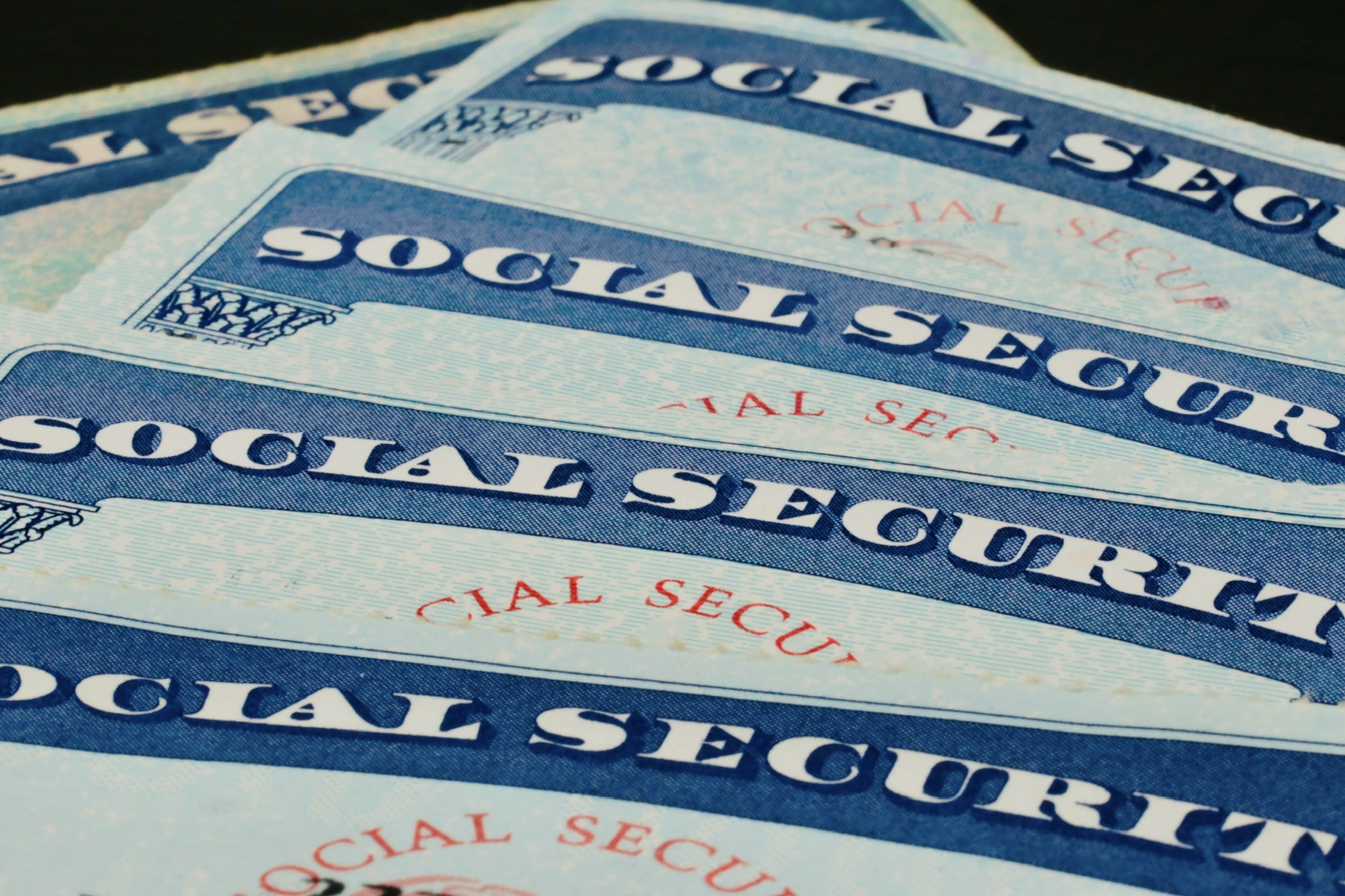
More than one in five Americans have no idea that their monthly Social Security checks could be slashed by roughly 20% in six years.
Social Security's reserves could run out at the end of 2032, according to the 2026 Social Security and Medicare Trustees' annual report. At that point, if no adjustments are made, the entitlement program's Old-Age and Survivors Insurance (OASI) Trust Fund will be able to pay out only around 80% of benefits to seniors.
"Many Americans plan around Social Security as a reliable, steady source of income in retirement," said Tim Pitney, the head of lifetime income distribution at TIAA, which surveyed US adults on the state of the entitlement program .
"But when a benefit cut arrives without awareness or warning, workers who have spent years relying on Social Security as the foundation of their retirement will have fewer savings to fall back on, and far less time to rebuild them."
Social Security benefits are funded through payroll taxes, which are then invested in trust funds and paid out in monthly checks to millions of retirees and Americans with disabilities.
The tax only applies to earnings up to a yearly cap. The maximum amount of earnings subject to the Social Security tax in 2027 will jump to $192,300, up from $184,500 this year.
Workers and their employers each pay 6.2% on wages up to that amount. If you're self-employed, you pay the entire 12.4% payroll tax.
Social Security currently provides monthly benefits to around 71 million Americans and provides the majority of income for 43% of seniors, according to AARP.
The depletion of Social Security's trust fund has been decades in the making.
It's "one of the most predictable events in public policy," said Shai Akabas, vice president of economic policy at the Bipartisan Policy Center. "What's different now is that this serious economic shock of a 22% across-the-board benefit cut has started coming into clear focus."
Raising or eliminating the payroll tax cap has been a thorny topic in Washington in the search for a solution.
"Closing the gap would require raising revenue (a higher payroll tax rate or taxable wage cap), reducing benefits (a later retirement age or slower cost-of-living adjustments) or a combination of both," Torsten Sløk, chief economist at Apollo Global Management, recently wrote. (Disclosure: Yahoo is a portfolio company of funds managed by affiliates of Apollo Global Management.) There has even been a proposal to have the Social Security administration borrow heavily and invest the leveraged funds in the stock market.
Topics in this story
Gathered from external sources. Rights to this text belong to whoever originally published it.