What Happens If You Give Everyone $700? A Local Economy Thrives
A project in Malawi, one of the world’s poorest countries, aims to demonstrate how aid might work in future.
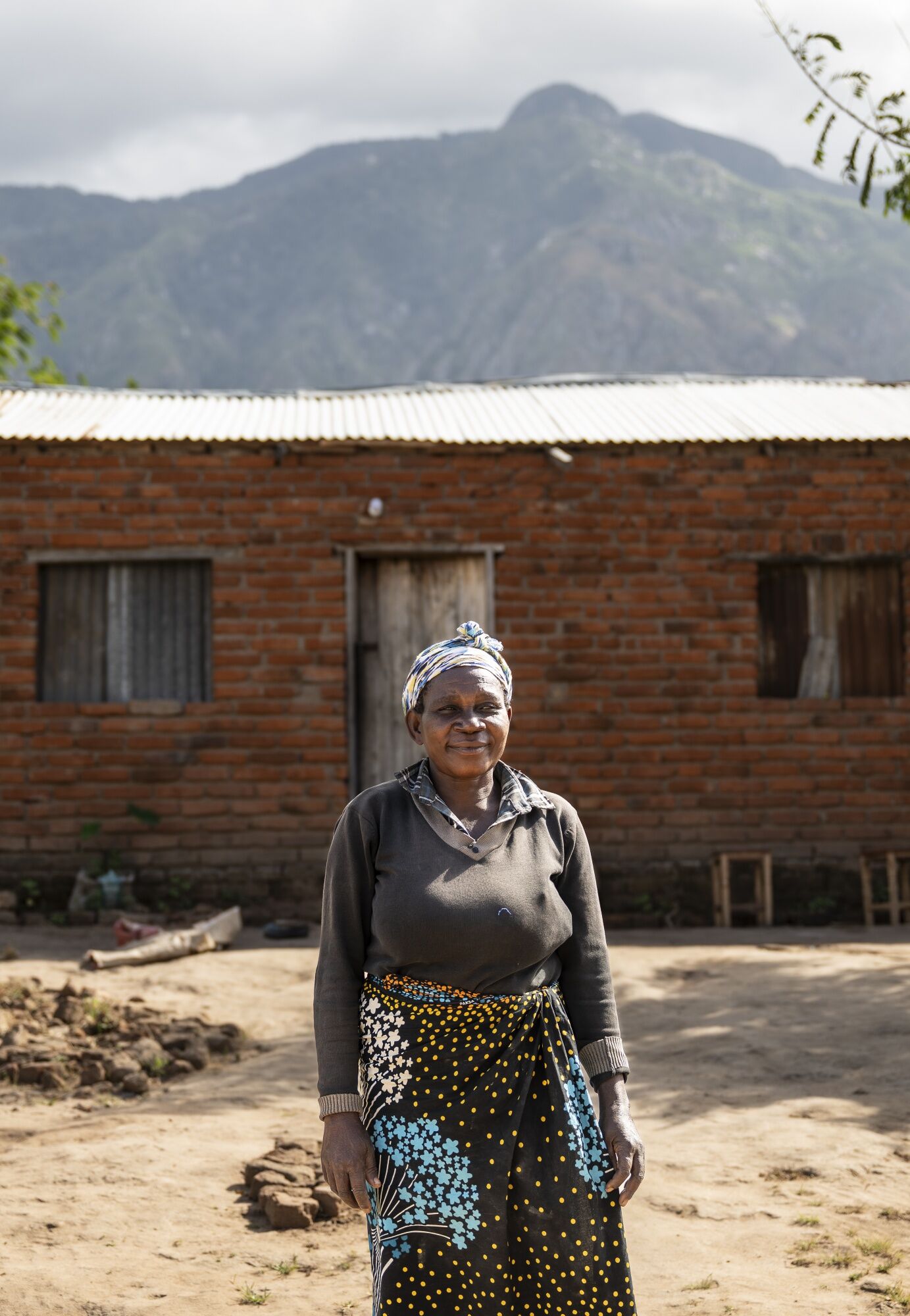
(Bloomberg) -- Yonas Fote smiles as he proudly shows off his cinema. In an earth-floored room with low wooden benches, he uses a television and sound system to show pirated Nigerian movies dubbed into the local language to his friends. He charges them the equivalent of 12 cents each.
It might sound like a teenage side hustle, but 19-year-old Fote's makeshift movie theater in the bustling village of Kamala in southern Malawi is part of an experiment designed to showcase what the future of aid might look like: Give people cash and see what they do with it.
Fote is among the beneficiaries of what calls itself the world's biggest unconditional large, direct cash transfer trial, a $198 million program run by the not-for-profit GiveDirectly. As many as 230,000 adults in two districts of Malawi are each receiving about 1.2 million kwacha, or almost $700, and they can do whatever they want with it.
Near Fote's cinema in the country's Chiradzulu district, tailor William Mwacho is busy making dresses. He bought a 500,000-kwacha electric sewing machine to meet a surge in orders.
"It works fast and it makes the clothes look beautiful," said Mwacho, speaking in Chichewa, the dominant language in Malawi. "I haven't calculated, but one thing I know for sure is that I make a lot of money."
By developed world standards, $700 is the price of an entry level iPhone. In Malawi, the world's poorest country not affected by conflict, it's roughly the same as its per-capita economic output for a year. The aim is simple: that people will use it entrepreneurially to generate economic activity, lessening the need for aid in the future.
The majority of the project is funded by the co-founders of Australia's $42 billion design startup Canva. And, for now, it seems to be working in Kamala.
A store owner displays the village's first refrigerator from which he and his wife sell chilled water. Other villagers are stocking their shops with soap and salt. Cecilia Malidadi is cooking potato fries and cabbage to sell as a snack to her customers including two visiting priests.
Since the money arrived in February, there's been a rush to plaster houses and install corrugated iron roofs instead of thatch. Others have bought goats and one recipient of the cash is building a rest house for passing travelers.
Topics in this story
Gathered from external sources. Rights to this text belong to whoever originally published it.