What happens when your bank goes offline? How to protect your money
Banking outages can disrupt payments, transfers and access to accounts.
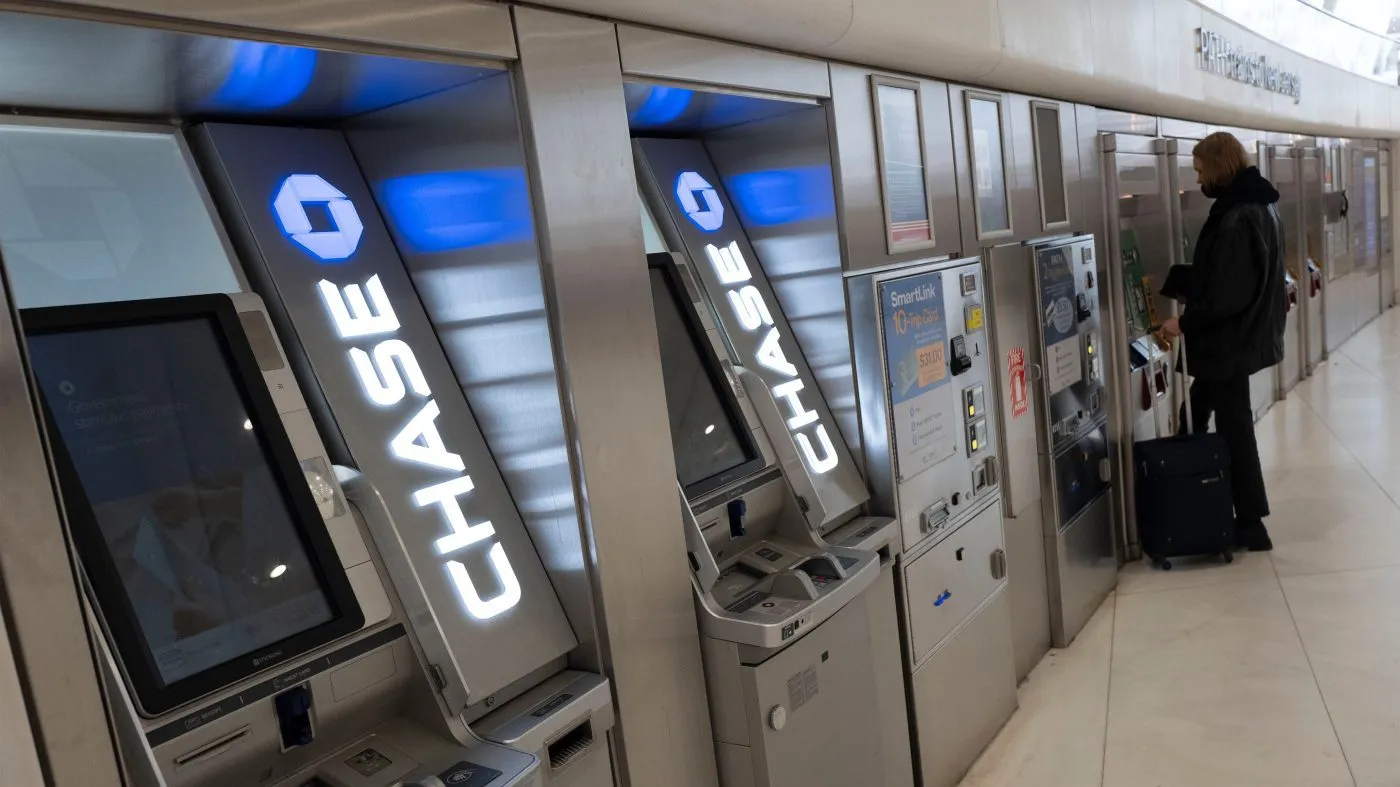
( NewsNation ) — As Americans increasingly rely on digital banking, technology outages can leave customers unable to access their accounts, transfer money or make payments.
Technical problems can affect banking websites, mobile apps, ATMs and payment services, creating problems for customers trying to pay bills and access their money.
While disruptions are often temporary, financial experts recommend having backup payment options and taking precautions to avoid fees, fraud and missed payments.
BestReviews is reader-supported and may earn an affiliate commission.
What should you do if your bank goes offline?
The Consumer Financial Protection Bureau (CFPB) recommends contacting your bank or credit union to determine which services are affected and when they are expected to be restored.
If mobile or online banking is unavailable, customers may still be able to access their accounts through ATMs, telephone banking or in-person branches, depending on the outage.
The CFPB also recommends checking whether automatic payments and withdrawals are still being processed.
Customers should avoid repeatedly submitting transactions when their status is unclear because doing so could result in duplicate payments once services are restored.
Consumers should also keep records of unsuccessful transactions, including receipts, payment attempts and any fees incurred during an outage, according to MadameNoire .
Having documentation can make it easier to dispute charges or request refunds once banking services are restored.
Is your money safe during a bank outage?
A temporary banking outage does not necessarily mean customers’ deposits are missing or that their accounts have been compromised.
Money deposited at an FDIC-insured bank remains eligible for federal deposit insurance even when online services are unavailable.
The Federal Deposit Insurance Corp. generally protects eligible deposits up to $250,000 per depositor, per insured bank, for each account ownership if a bank fails.
However, deposit insurance does not guarantee uninterrupted access to banking services during a technical outage.
How can you prepare for the next bank outage?
Financial experts recommend having more than one way to access money in case a bank or payment service becomes unavailable.
Keeping a backup credit or debit card from another financial institution can provide another payment option if a primary bank experiences technical difficulties.
Consumers may also consider keeping a small amount of emergency cash in a secure location for purchases when electronic payments are unavailable.
Maintaining an emergency savings account at a separate bank can provide another source of funds, although transfers between financial institutions may not be immediate.
Experts also recommend keeping records of recurring bills, payment due dates and customer service contact information.
What if a bank outage causes missed payments or fees?
Customers who are charged late fees, overdraft fees or insufficient funds fees because of a banking disruption can ask their financial institutions to reverse the charges.
According to the CFPB , consumers should contact the company responsible for the fee and explain how the outage prevented them from making a payment.
Fee reversals are not guaranteed, but customers can explain how the disruption affected their transactions and provide documentation.
If a payment deadline is approaching, customers should contact the company they owe to discuss alternative payment arrangements.
Can banking outages increase the risk of scams?
Banking disruptions can create opportunities for scammers to impersonate financial institutions and send fraudulent messages about account access.
The Gate City Bank recommends using strong, unique passwords, enabling multifactor authentication and setting up transaction alerts to help protect accounts.
The bank also advises customers to verify suspicious messages through trusted contact information rather than clicking unfamiliar links.
The CFPB recommends contacting banks through verified customer service numbers rather than responding to unexpected texts, emails or phone calls requesting account information.
Customers should also monitor their accounts once services are restored and report any unfamiliar transactions.
A system outage does not necessarily mean a bank has experienced a cyberattack or that customer data has been compromised.
Topics in this story
Gathered from external sources. Rights to this text belong to whoever originally published it.