Former L’Oréal execs set out to build a $1.2 billion beauty empire. Now all that’s left is Milk Makeup, and its sales just fell 57%
Waldencast sold Obagi, lost its founders to the buyer, and is leaving Nasdaq. What's left is a makeup brand whose sales fell by more than half.
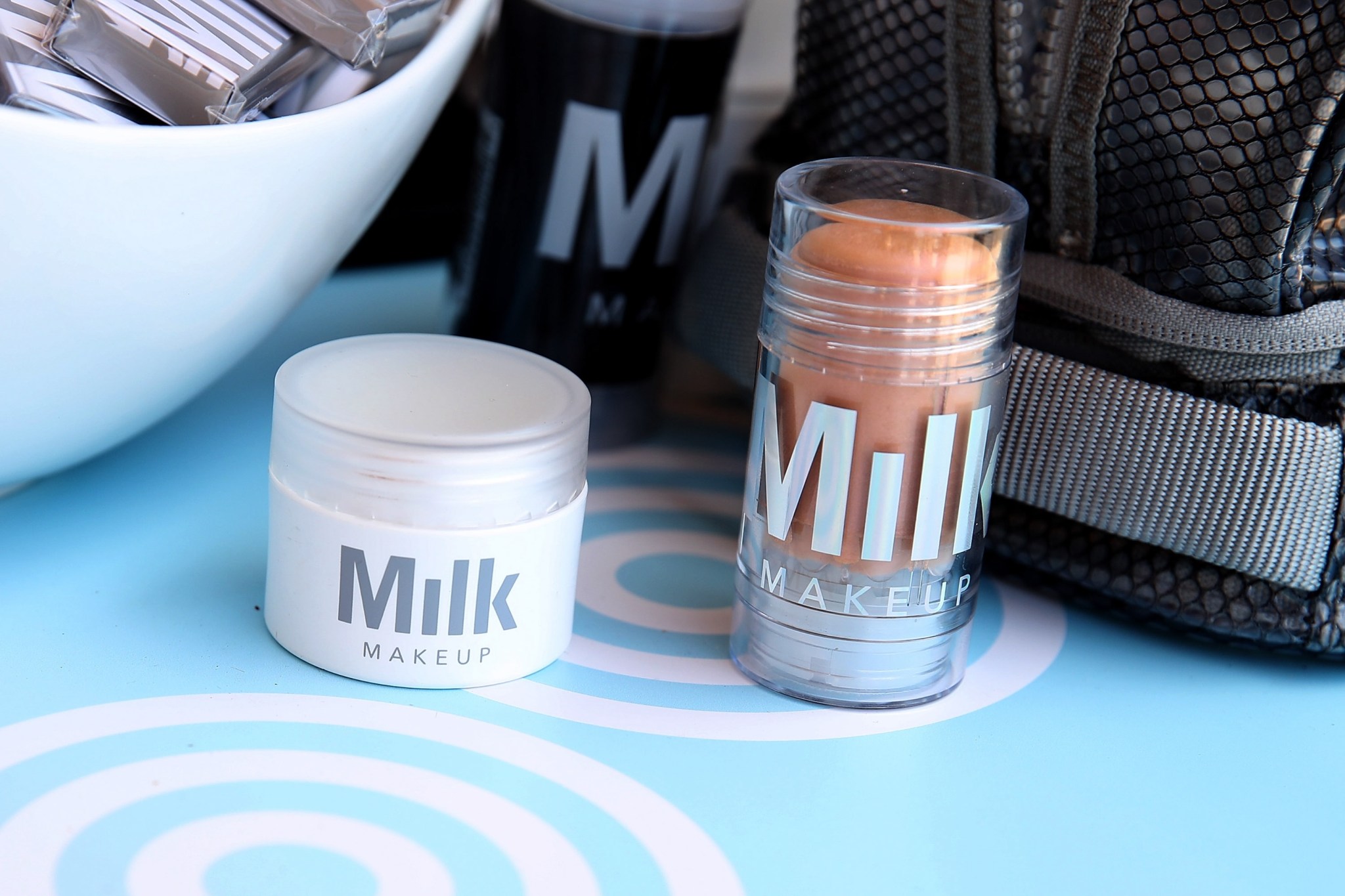
A $1.2 billion deal meant to launch a global beauty empire has shrunk to an attempt to revive one struggling makeup brand whose sales are plunging.
In early 2021, Michel Brousset, the former group president of L'Oréal's Consumer Products Division in North America, and fellow beauty executive Hind Sebti launched Waldencast Acquisition Corp. It was a special purpose acquisition company that went public at the height of the SPAC frenzy .
In November 2021, Waldencast announced a $1.2 billion three-way business combination with Obagi Medical, a physician-dispensed skincare brand, and cult beauty brand Milk Makeup. It called the deal the "first step" in its plan to build a global multibrand beauty and wellness platform. The transaction closed in July 2022.
Four years later, that multibrand platform came apart in a matter of months.
In June, Waldencast agreed to sell Obagi Medical to private equity firm [Bridgepoint] [FORTUNE LINK: Bridgepoint/Obagi coverage]. The deal closed on July 30 for up to $460 million. That figure includes vendor notes and up to $64 million in earnout payments tied to Obagi's future performance. Waldencast had valued Obagi at $858 million on an enterprise-value basis when it struck the original deal in 2021, according to its SEC filings . The company had separately sold Obagi's rights in Japan to Rohto Pharmaceutical for $82.5 million in late 2025.
Three of Waldencast's most senior executives went with Obagi. Brousset, Sebti, and CFO Manuel Manfredi left Waldencast to lead Obagi alongside Bridgepoint. Executive chairman Felipe Dutra now serves as Waldencast's principal executive and financial officer. That left Waldencast focused entirely on Milk Makeup.
At major retailers like Sephora and Ulta, Milk Makeup still looks like business as usual. The products are on the shelves, and there is still a certain prestige that comes with making it into Sephora in the first place. But the view from the corporate level is much less reassuring.
Milk Makeup's net revenue fell 57.1% to $26.1 million in the first half of 2026, from $60.9 million a year earlier. The figures come from Waldencast's first-half results , published Sept. 28. According to Waldencast, the year-earlier period included roughly $10 million in pipeline shipments that did not recur in 2026. Milk also swung to an adjusted EBITDA loss of $14.8 million, from a profit of $9.7 million a year earlier. Waldencast said the first-half results "largely reflect decisions and actions taken in 2025."
Four days before the results came out, Waldencast filed a Form 25 to voluntarily delist from Nasdaq. Its last day of trading is expected on or about Oct. 2. The company plans to seek quotation on an over-the-counter market under the ticker "MLKM." It estimates it can eliminate 80% to 90% of its $18.5 million in annual central headquarters costs.
Topics in this story
Gathered from external sources. Rights to this text belong to whoever originally published it.