The affordability illusion
The annual inflation rate of 3.4 percent reported in August 2026 sounds manageable, especially compared to the pandemic-era peak of 9 percent. But a closer look reveals that the day-to-day cost of living is far more troubling.
Today, we hear the word “ affordability ” everywhere. But what exactly does that mean?
The annual inflation rate of 3.4 percent reported in August 2026 sounds manageable, especially compared to the pandemic-era peak of 9 percent. But a closer look reveals that the day-to-day cost of living is far more troubling. What matters to consumers is not merely how quickly prices are rising, but the much higher prices they are paying after several years of inflation.
Households do not experience inflation as an annual percentage. They experience it as the price of groceries, rent, utilities, insurance and other necessities that they pay every month. A lower inflation rate does not mean prices have returned to where they were before the pandemic-era inflation surge — it just means prices are rising more slowly.
The Consumer Price Index shows that the cumulative increase in prices since December 2019 is 30 percent: What cost $100 then now costs $130. Once prices move higher, slowing the rate of increase does little to reverse the loss in purchasing power, unless people’s income rises faster than prices.
When prices rise faster than wages, purchasing power falls. Since 2016, total wage increases have kept up with consumer prices, but only just barely . This means that working people are effectively treading water between income bumps and rising prices.
Consumers facing this squeeze may respond in three ways: buy less in either quantity or quality, tolerate getting less for their money through “ shrinkflation ,” or bridge the gap with high-interest credit cards .
Shrinkflation is particularly confusing, perhaps even deceptive, since sticker prices may remain the same even as the amount of product inside the package quietly falls . A 16-ounce package becomes 14 ounces at the same price; nothing about the shelf price has changed, but the consumer is paying more for each ounce.
When households cannot pay for rising costs within their incomes, credit can temporarily bridge the gap. But with credit-card interest rates now as high as 28 percent , a short-term coping strategy can quickly become a long-term financial crisis, as interest rates climb and interest costs grow.
Consumer spending is a critical contributor to the economy, accounting for roughly two-thirds of U.S. gross domestic product . Retail sales in the United States rose in August by 1.2 percent, after falling by 0.5 percent in July , driven largely by drops in motor vehicle sales and parts, in online retail and at gasoline stations , even as sales remained higher than a year earlier. Any shift in consumer behavior would be a warning sign for the broader economy: a sustained drop would place headwinds on economic growth. If households increasingly rely on debt to maintain their standard of living, that can provide temporary support for consumption while leaving families more financially vulnerable over time. Headline economic improvements may therefore coexist with growing financial insecurity .
We see this crisis most acutely in the housing market . Shelter has become expensive, and beyond the reach of many, due to two seemingly unrelated factors: higher material and labor costs have increased the cost of construction, while years of insufficient housing supply have constrained inventory. Higher mortgage rates aggravate the problem by discouraging many existing homeowners from selling . If they are locked into 3 percent 30-year mortgages , trading up to 7 percent is unattractive, even if they would prefer to move. This further constrains the supply of homes available to buyers.
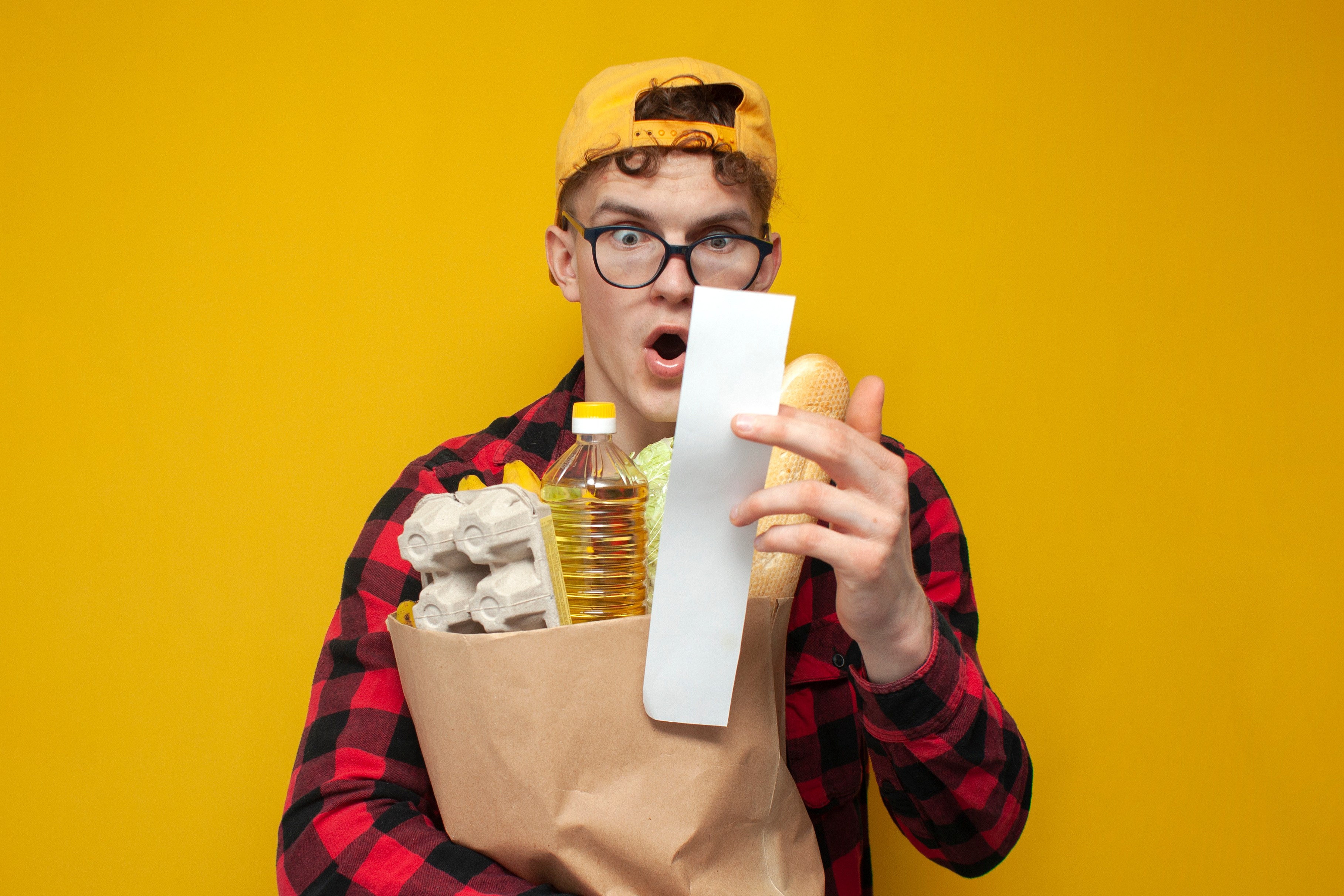
Ultimately, economic well-being cannot be captured by a single economic metric. The living reality of inflation is etched on grocery-store receipts, utility bills and health insurance premiums . These are the costs that shape economic reality for households. The University of Michigan’s consumer sentiment index fell by more than 7 percent in September, with a year-over-year drop of nearly 13 percent . This exposes the gap between improving inflation data and how many households perceive their financial circumstances.
The problem is not necessarily that inflation statistics are wrong. It is that they answer a different question than the one that voters are asking: not “How fast are prices rising?” but “Can I afford my life?” As we approach the midterm elections , incumbents across all political parties should be deeply concerned. Voters do not cast ballots based on abstract concepts and charts; they vote with their wallets .
Sheldon H. Jacobson, Ph.D., is a professor of Computer Science at the University of Illinois Urbana-Champaign. He applies his expertise in data-driven risk-based decision-making to evaluate and inform public policy.
Topics in this story
Gathered from external sources. Rights to this text belong to whoever originally published it.