Fuel Crisis Hits Home — Even Costco Hikes Prices, Limits Purchases on Kirkland Motor Oil
Why a Fed rate hike this week won't help the oil market supply crunch.
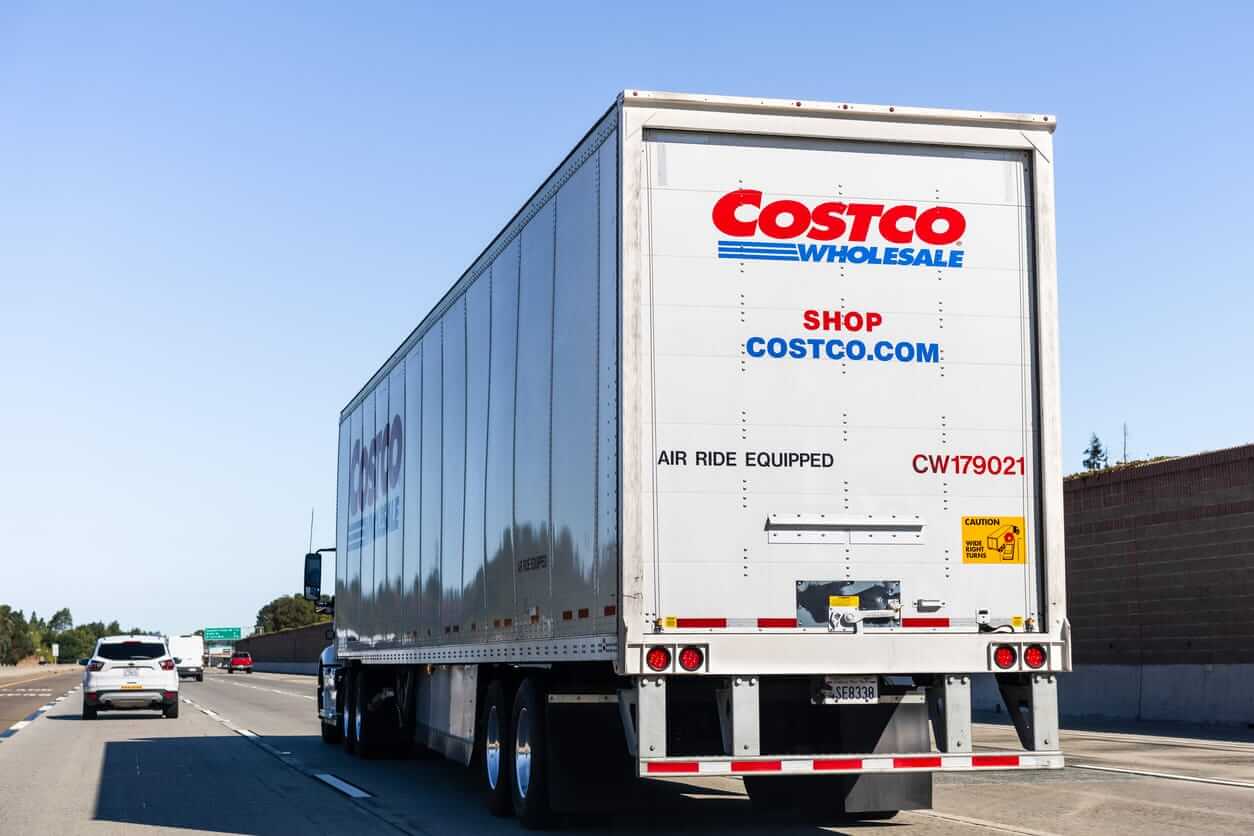
The U.S. fuel crisis stemming from the ongoing war in Iran has now reached the retail shelf, with Costco Wholesale (COST) nearly doubling the price of its Kirkland Signature full-synthetic motor oil from roughly $30 to $58 per 5-quart two-pack, while simultaneously capping purchases at two units per membership every seven days.
It's an extraordinary move for a retailer whose entire brand identity rests on bulk buying at deep discounts, and it signals that severe supply chain disruptions are spreading well beyond the gasoline pump.
The root cause is unmistakable: the closure of the Strait of Hormuz and repeated attacks on Middle Eastern energy infrastructure – including a damaging March 2026 airstrike on Qatar's Pearl GTL facility and last week's drone attack on Saudi Arabia's critical East-West pipeline – have drained global oil inventories by more than 500 million barrels since the conflict began in February.
Chevron (CVX) CEO Mike Wirth nodded to those stats when he said at an industry conference Friday that "we don't have nearly the buffers in the system that we did when it began."
Brent crude (CBX26) surged above $109 per barrel on Monday, up from under $72 in early July, while U.S. diesel set a record at $6.23 per gallon and gasoline climbed to $4.31. The International Energy Agency (IEA) now projects a third-quarter global deficit of 1.8 million barrels per day, more than double its prior estimate.
WTI crude futures (CLV26) earlier set a new four-month high of $106.75 per barrel.
Motor oil sits at the end of a brutal triage inside the refinery. Base oil – 80% to 90% of a finished motor oil product – comes from the same barrel of crude as gasoline and diesel, and when crack spreads on transportation fuels are running roughly a dollar per gallon above year-ago levels, refiners rationally prioritize fuel output over lubricant feedstock.
The United States imports more than 40% of its Group III base oils from the Middle East, and CEO Holly Alfano of the Independent Lubricant Manufacturers Association told "Newsweek" that Group III prices have surged 235% since the war began, with physical damage to production facilities; South Korean supply constraints; and elongated shipping timelines compounding the shortage.
Topics in this story
Gathered from external sources. Rights to this text belong to whoever originally published it.