Medicare prescription drug costs could jump 50% next year. How to prepare.
Prescription drug expenses could climb next year. Here's what to review before your 2027 coverage begins.
Some offers on this page are from advertisers who pay us, which may affect which products we write about, but not our recommendations. See our Advertiser Disclosure .
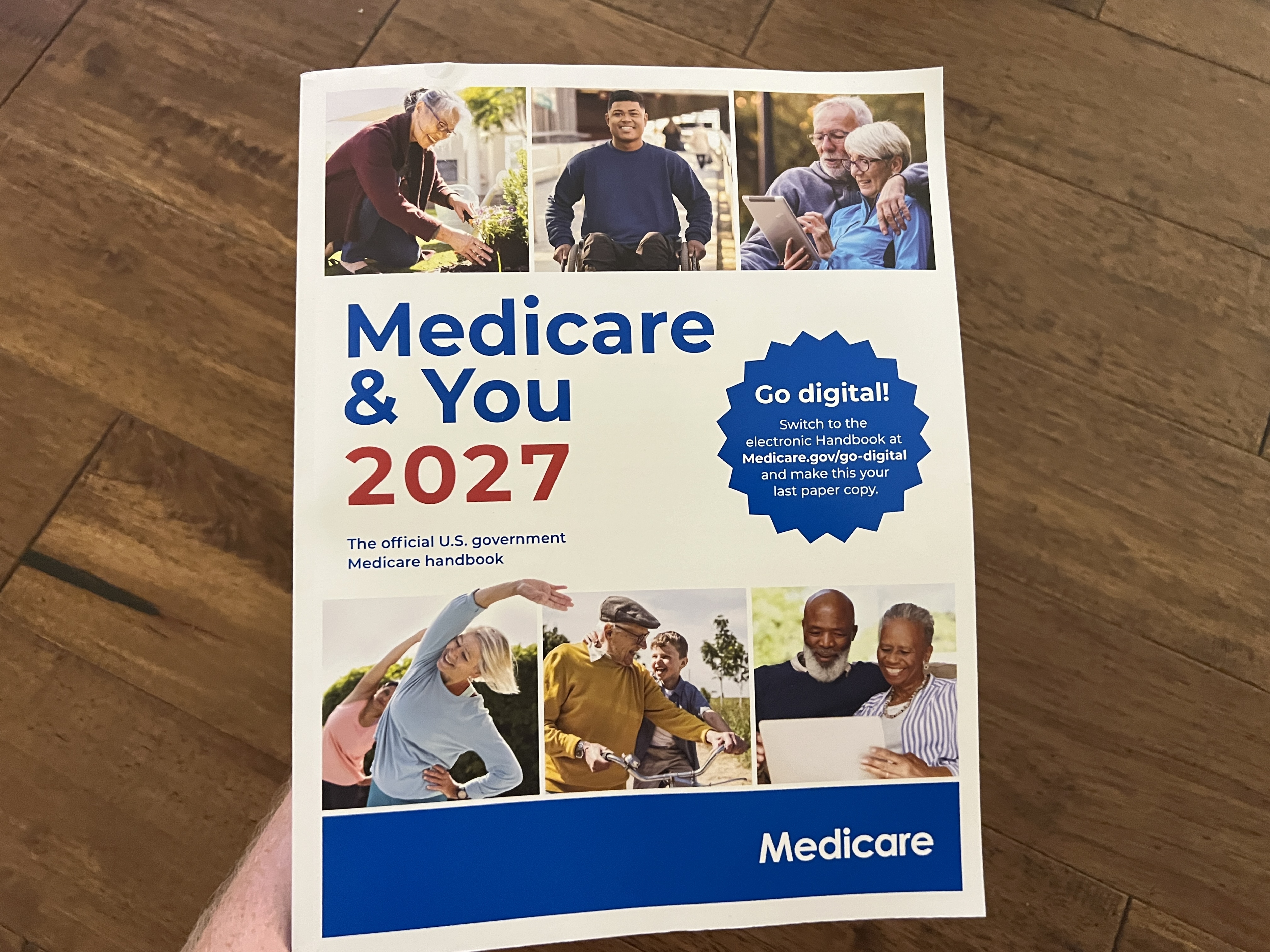
With about a month left before the Medicare open enrollment period ends on Dec. 7, millions of people with standalone Part D prescription drug plans face a 50% increase for 2027. KFF, a nonprofit health policy organization, estimates premiums will rise by an average of $17 a month.
But "averages hide the people who get hit hardest," said Ed Wu, physician and co-founder of Pinnie Health, a Medicare patient advocacy. "One of the biggest national plans goes from $126 to about $205 a month. That's close to $1,000 more a year for the same coverage. And the premium is only part of it."
The standard deductible is rising to $700, and the out-of-pocket cap rises from $2,100 to $2,400, Wu told Yahoo Finance — and more plans are moving from flat copays to coinsurance. "With coinsurance, the same brand-name prescription can cost a different amount from one month to the next."
Ultimately, patients are paying more up front, and those costs are getting harder to predict, he added.
Of the 10.4 million people in standalone prescription drug plans who face a premium increase, 2.4 million will see their monthly premium rise by $50 or more if they stay in the same plan for 2027, KFF reported. Last year, only 38,000 faced increases of that size.
"The biggest driver of the premium jump is due to the end of a federal program that had been holding down premiums for standalone Part D plans," Alexandra Robertson, chief growth officer at Visory Health, told Yahoo Finance.
Wu also noted that for the first time, zero-premium drug plans are being eliminated in 2027, "so more than 4 million people in $0 plans will have some tough choices to make."
He added that the cost dilemma is compounded by fewer options. "There are 316 standalone drug plans in 2027, down from 464 in 2025, about a third fewer in two years. The average person has 9 to pick from, down from 11."
The lowest- and highest-premium prescription drug plans
Monthly premiums vary widely, from about $6 to over $200. For example, an analysis by KFF identified national prescription drug plans with the lowest and highest average premiums.
Centene's Wellcare Value Script Rx, an enhanced PDP with an average premium of $6.50 for 2027 (up from $5.80 in 2026)
Wellcare Classic, a basic PDP with an average premium of $10.90 for 2027 (up from $8.60 in 2026.
United's AARP Medicare Rx Preferred ($204.50, up from $126 in 2026)
Humana Premier Rx Plan ($137.40, up from $119.60 in 2026)
KFF estimates that 65% of Medicare beneficiaries did not compare their Medicare coverage options during last year's open enrollment period.
"Don't let your plan renew without looking at it," Robertson said. "Plans can change every year, and especially with plan increases coming in 2027, it makes sense to take a good look at the premium, the deductible, which drugs are covered, and which pharmacies are in your network."
Medicare beneficiaries receive an Annual Notice of Change that shows what's different for next year. Make sure to review that and compare it to all the medications you currently take, she added.
The single most important thing is to shop before Dec. 7. If you do nothing, you're accepting whatever your plan charges, Wu said, offering these suggestions:
Put your actual drug list into Medicare's Plan Finder on Medicare.gov and compare the total yearly cost: premium, deductible, and what you'll pay for your drugs. A cheap premium is no bargain if your blood thinner sits on an expensive tier. Plans in the same state run from about $5 to over $200 a month — a huge spread.
Check with your doctor . Often, your doctor doesn't know how much you're paying, and they might be able to find suitable, lower-cost alternatives. This may take an extra visit or two if a new medication is involved, but it can lead to a lower-cost medication. Sometimes, if a drug you need isn't covered, your doctor can request an exception.
If money is tight, apply for Extra Help through Social Security. It can bring premiums and copays down to a few dollars, and many people who qualify never apply.
Ask about the Medicare Prescription Payment Plan if your costs come in big chunks early in the year. It spreads your out-of-pocket costs into monthly payments.
Robertson also reminds Medicare beneficiaries to look into free prescription savings cards.
"For some drugs like generics, the discount card price can be lower than your plan copay. It's worth asking the pharmacist to compare the two before you check out," she said. "One thing to keep in mind is that you can't use an Rx discount card with your insurance, but you can use it instead of your insurance."
What to do if your prescription becomes unaffordable
"As a physician, I worry less about the premium than about what people do when costs jump: they skip doses, split pills, or stop filling a prescription — and that's how a manageable condition turns into an ER visit," Wu said.
If a drug becomes unaffordable, Wu recommends calling your doctor or working with an advocate before you stop taking it.
Topics in this story
Gathered from external sources. Rights to this text belong to whoever originally published it.