SpaceX’s Nasdaq 100 Weight Is Confirmed at 2.82% in Rebalance
SpaceX will make up 2.82% of the Nasdaq 100 when the index’s quarterly rebalance takes effect Monday, according to data obtained by Bloomberg, locking in a s...
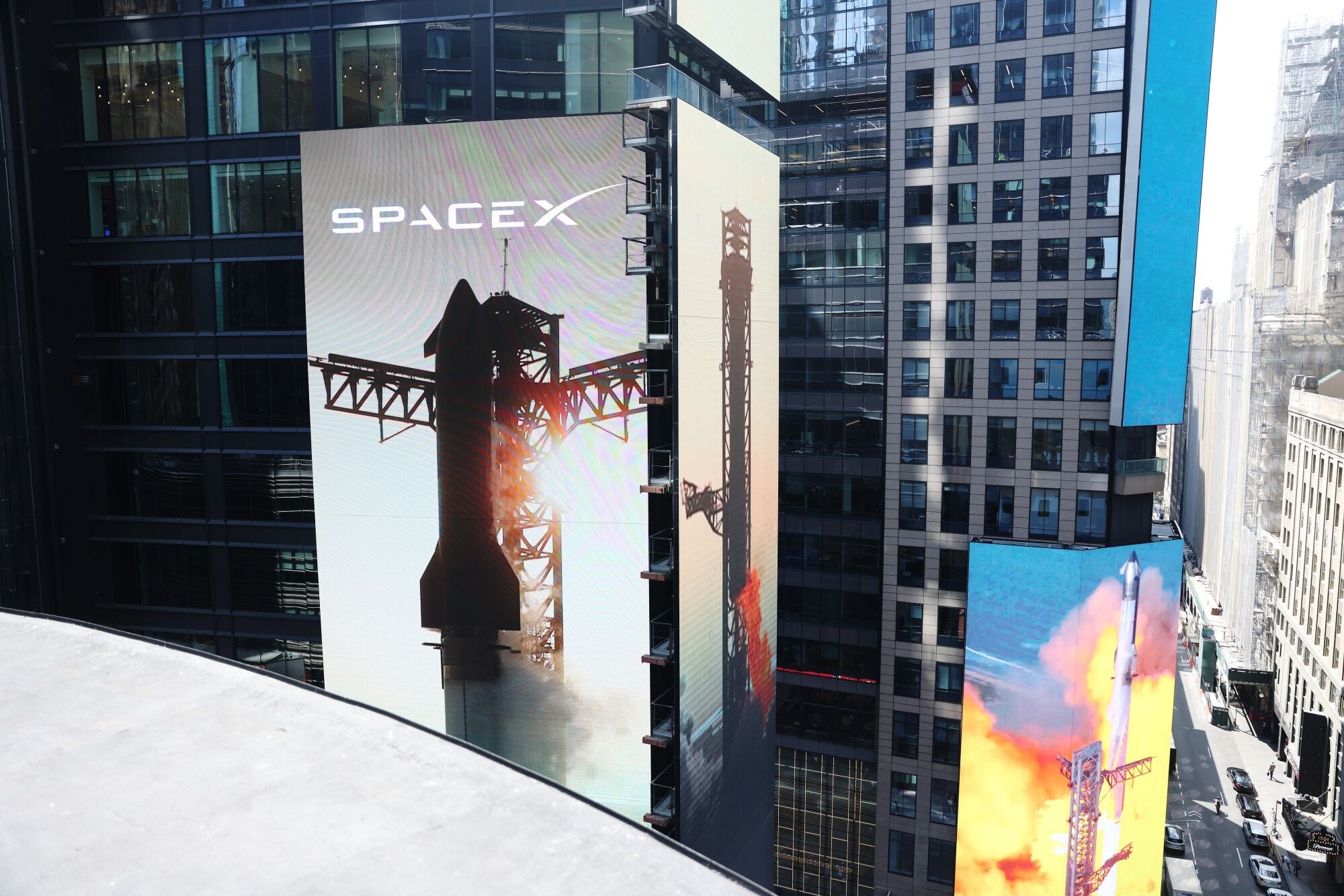
(Bloomberg) -- SpaceX will make up 2.82% of the Nasdaq 100 when the index's quarterly rebalance takes effect Monday, according to data obtained by Bloomberg, locking in a sharp increase from its current weighting of about 1.28%.
The final figure, calculated using Friday's closing price, matches a provisional weighting previously published by the index provider and reported by Bloomberg.
SpaceX's relatively small weighting as of now dates to its addition to the index in July. At the time, most of its shares were still locked up and unavailable for public trading, limiting the company's weighting even after Nasdaq changed its rules to let newly listed large-cap companies enter the index sooner and dropped a requirement that at least 10% of their shares be publicly tradable.
The expected increase would begin to close an unusual gap. SpaceX is the seventh-largest company in the Nasdaq 100 by market value, at more than $2 trillion, but its current weighting doesn't even place it in the top 20 in terms of percentage weight within the gauge.
A bigger weighting matters because passive funds tied to the benchmark must adjust their holdings accordingly. Such funds include the $482 billion Invesco QQQ Trust Series 1, known as QQQ, one of the largest ETFs. More than 200 investment products track the Nasdaq 100, with over $800 billion in assets under management globally.
The Nasdaq 100 tracks the largest non-financial companies listed on the Nasdaq stock market. There is no minimum market capitalization for inclusion, though companies must have average daily trading volume of at least 200,000 shares and meet other requirements.
Edward Yoon at Macquarie says recent rebalancing events have taken on greater significance amid a host of forces driving markets.
"These index changes are also happening against a much more active macro backdrop," he said. "Geopolitical developments involving Iran, ongoing inflation concerns, renewed tariff uncertainty, moves in interest rates and continued volatility across AI and tech stocks have all contributed to price movements in many of the names involved in the rebalance."
Topics in this story
Gathered from external sources. Rights to this text belong to whoever originally published it.