Suze Orman says Medicare leaves retirees on the hook for $185,500 in health costs — so now's the time to 'push yourself'
“Medicare covers a lot of your medical expenses in retirement, but you will likely need to spend some of your retirement income as well."
Medicare can provide an important safety net for older Americans, but it doesn't mean healthcare becomes free once you turn 65.
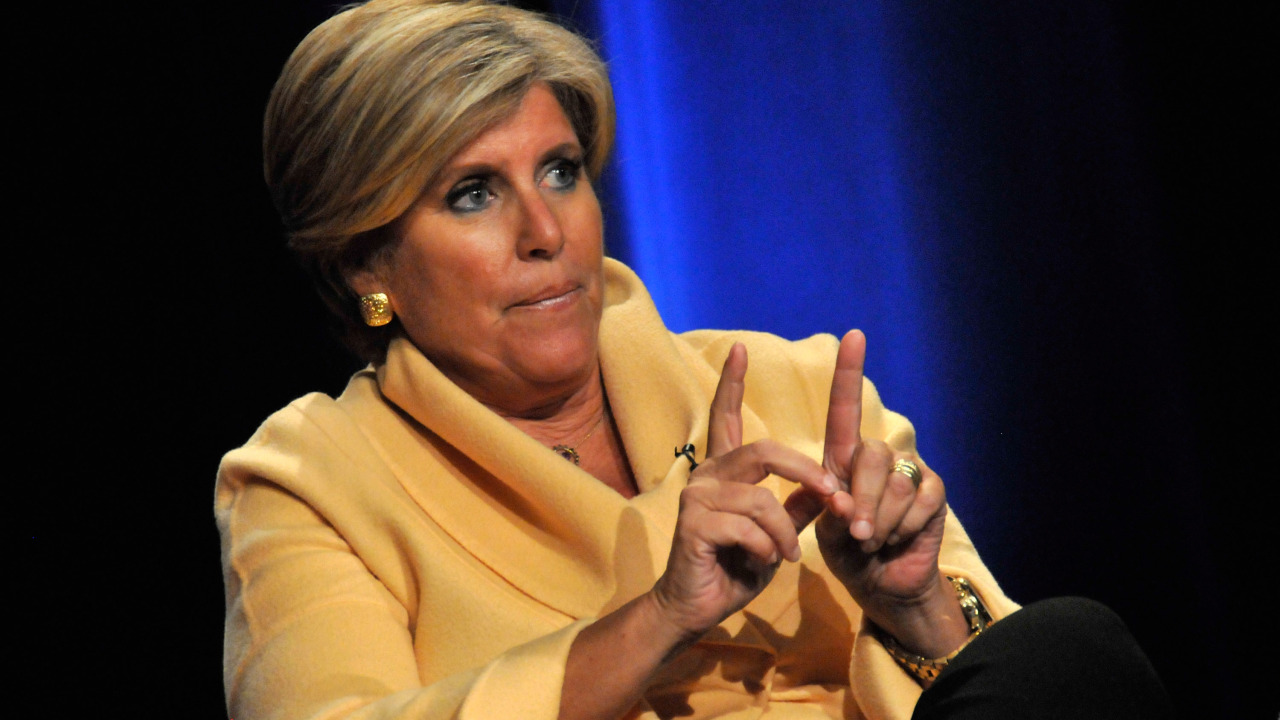
In a recent post on her website , personal finance expert Suze Orman warns that retirees could still face hundreds of thousands of dollars in health-related expenses throughout retirement, adding that younger Americans should take that possibility seriously when planning how much to save.
Jeff Bezos backs a platform that lets anyone invest in rental homes for as little as $100 — 6 ways to build wealth like a landlord without actually being one
Dave Ramsey warns nearly 50% of Americans are making 1 big Social Security mistake. Here's what it is and 3 simple steps to fix it ASAP
The tax breaks in Trump's 'big beautiful bill' expire after 2028. Here are 4 moves to make before the window closes
According to Fidelity's latest estimate, cited by Orman, someone who turns 65 this year and enrolls in original Medicare could expect to spend approximately $185,500 out of pocket on healthcare over the remainder of their lifetime.
That's a substantial increase from the previous year's estimate. Orman notes that the $185,500 figure is 7.5% higher than a year earlier, reflecting rising healthcare costs as well as an increase in the monthly premium for Medicare Part B.
And that estimate doesn't include everything.
"Medicare does not pay for the cost of ongoing long-term care assistance," Orman writes, whether that care is provided at home or in a nursing home.
Medicare doesn't mean retirement healthcare is free
The $185,500 figure can sound especially daunting when viewed as a single lump sum. But Orman points out that it's an estimate of healthcare spending over an entire remaining lifetime — not a bill someone will receive when they enroll in Medicare at 65.
For a 65-year-old woman in average health, for example, the costs would be spread over more than two decades. Still, $185,500 is a lot of money.
"That's just for actual medical care," she writes, emphasizing that long-term care expenses can fall outside Medicare's coverage. Retirees have choices when it comes to Medicare coverage , but Orman also cautions against assuming higher-tier options will eliminate expenses.
With Original Medicare, beneficiaries receive coverage through Medicare Parts A and B but are still responsible for deductibles, coinsurance and other out-of-pocket costs, which is why many people purchase a separate Medigap policy to help cover those expenses.
Topics in this story
Gathered from external sources. Rights to this text belong to whoever originally published it.