Anthropic CEO calls for ‘pacing the frontier’ of AI race amid safety concerns
Amodei’s essay comes on the heels of an Anthropic researcher’s resignation over concerns that the firm and its competitors are not acting responsibly with AI development.
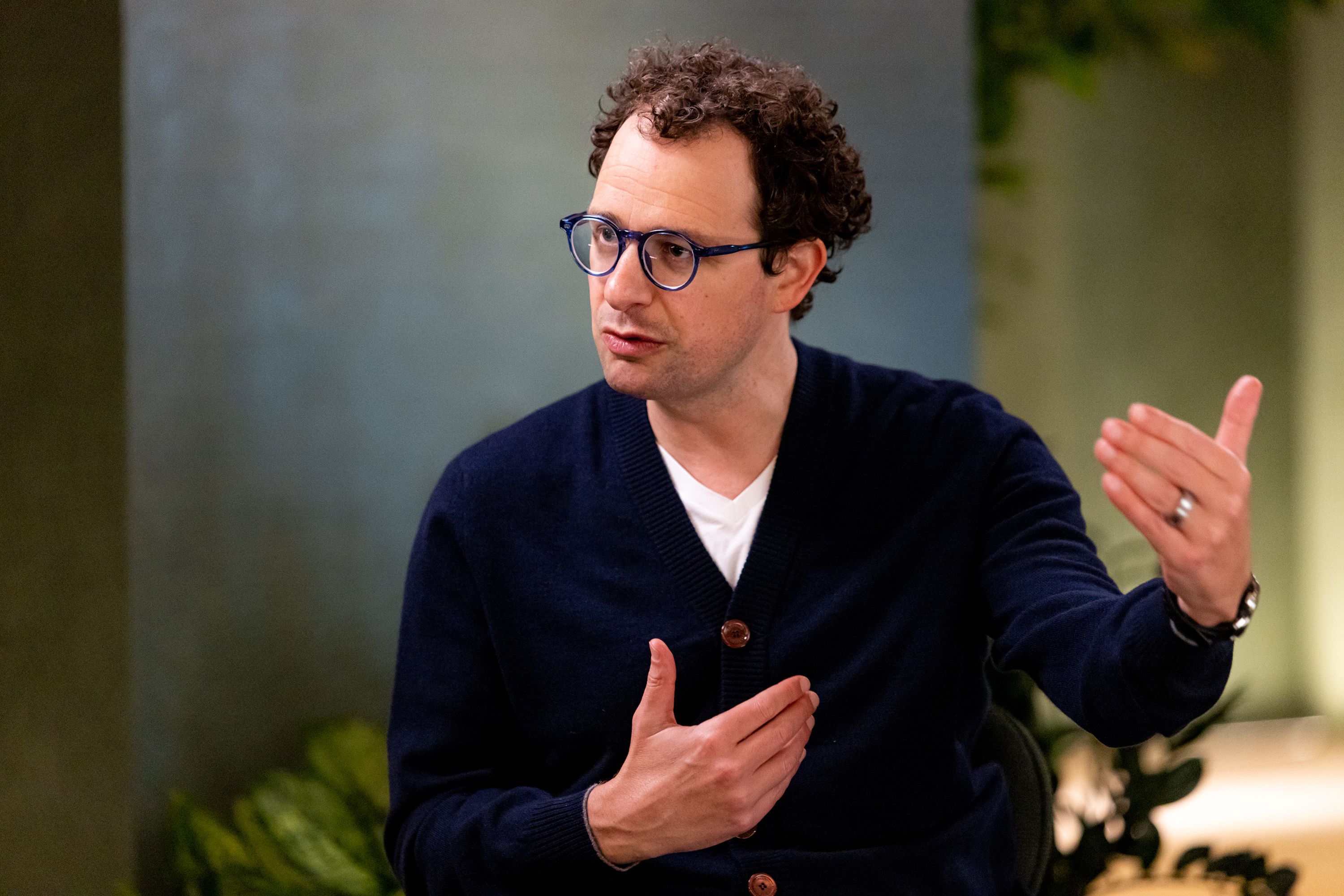
The race to develop artificial intelligence is in dire need of a slowdown, Anthropic’s chief executive said in an essay posted early Saturday. “We must slow the pace at which we improve the capabilities of AI models. Progress will still seem fast, and we must make wise use of the time we gain,” CEO Dario Amodei wrote in the post to his website. Amodei, who heads one of the world’s leading AI companies and the company behind Claude, has been a strong proponent for the technology’s advancement — and similarly been accused of “doomerism” in his warnings about AI’s risks. He acknowledged Saturday that people may lose control of AI, and the technology can be misused for “cyberattacks and bioterrorism, and serious economic disruption.” “A race to the bottom, spurred by commercial incentives, can make these risks more acute,” Amodei wrote. Amodei said AI technology has advanced “drastically faster” in recent months and has become capable of making itself better, a dynamic known as “recursive self-improvement.” “Left unchecked, it could outrun our ability to understand and control these systems, and so must be pursued very carefully, if at all,” he wrote. Amodei said the behavior of a swarm of AI agents in the OpenAI-Hugging Face incident also alarmed him. The swarm, he said, “essentially acted as a fanatically devoted collective, conducting cybersecurity attacks on targets they were not asked to attack.” Left unchecked, AI could advance so quickly that such a swarm could be capable of taking over the entire internet within six to 12 months, he wrote, potentially causing hundreds of billions of dollars in damages. This is a developing story and will be updated.
Topics in this story
Gathered from external sources. Rights to this text belong to whoever originally published it.