US goods trade deficit deteriorates further as AI helps to lift imports to record high
By Lucia Mutikani WASHINGTON, Nov 27 (Reuters) - The US trade deficit in goods widened sharply in October as an AI infrastructure buildout boosted imports to...
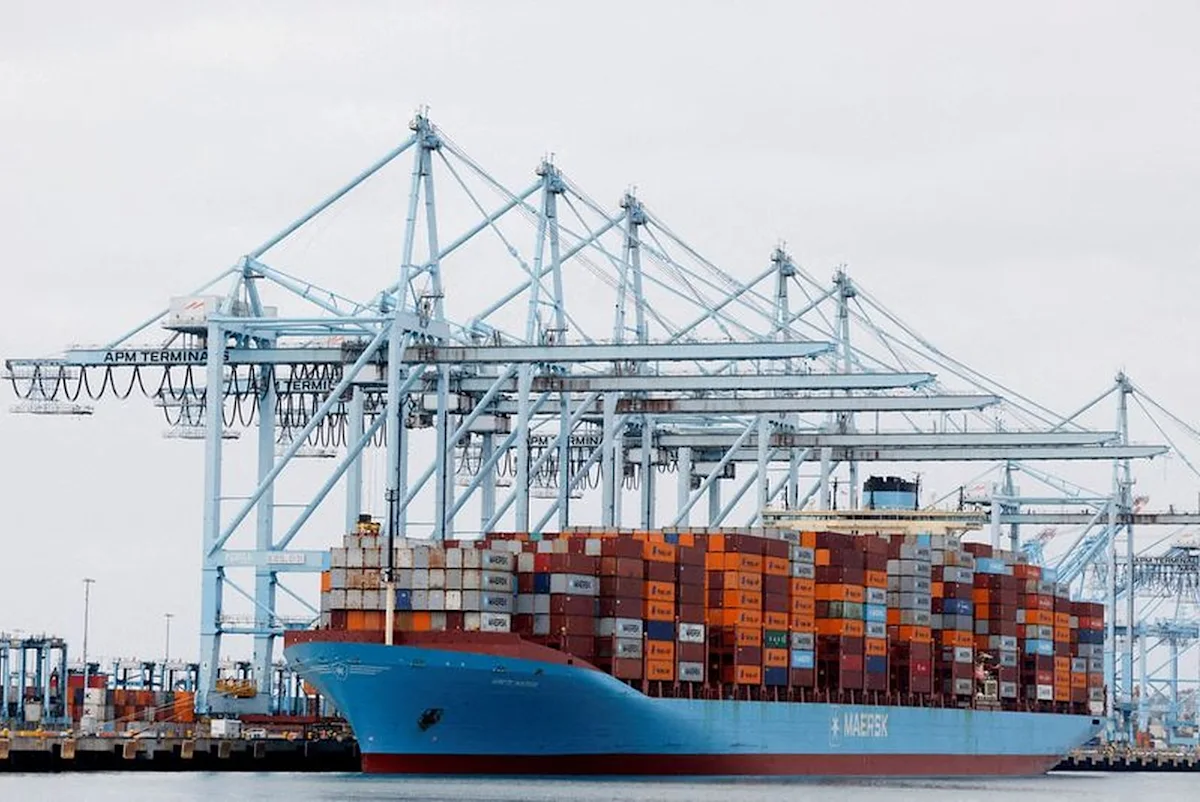
WASHINGTON, Nov 27 (Reuters) - The US trade deficit in goods widened sharply in October as an AI infrastructure buildout boosted imports to a record high, potentially putting trade on course to again subtract from economic growth in the fourth quarter.
The surge in imports reported by the Commerce Department on Friday was also across other categories, including motor vehicles, industrial supplies and consumer goods, reflecting robust domestic demand. Imports have increased at a rapid clip despite President Donald Trump's aggressive tariffs.
Trump has defended the duties as necessary to shrink the trade gap and rejuvenate the nation's industrial base. The Trump administration this week proposed new maximum potential rates of 20% to 40% on 14 major trading partners including China, Japan and the European Union, to counter what the White House said was excess industrial capacity that these countries are promoting.
"The trade deficit in goods worsened in October, which will take a toll on economic growth in the fourth quarter," said Christopher Rupkey, chief economist at FWDBONDS. "Capital goods imports are surging, showing that AI doesn't always lead to greater US economic growth."
The goods trade shortfall jumped 10.7%, or $14.4 billion, to $149.5 billion last month, the highest level since March 2025, the Commerce Department's Census Bureau said. Economists polled by Reuters had forecast the goods deficit at $133 billion.
Goods imports shot up 6.1%, or $21.1 billion, to $365.3 billion, the highest level since the government started tracking the series in 1992. The broad increase in imports was led by capital goods, which soared 8.5%. Capital goods increased 80.0% on a year-on-year basis in October.
Businesses are aggressively spending on AI, giving the technology a prominent role in the economy. But the AI infrastructure buildout is heavily reliant on imports, which are a subtraction from gross domestic product growth.
Imports of consumer goods advanced 2.6% while those of other goods increased 4.5%. Domestic demand, which includes business investment and consumer spending, grew in the third quarter at its fastest pace in more than five years.
Imports of industrial supplies, which include crude oil and nonmonetary gold, increased 6.0% last month, while those of motor vehicles, engines and parts accelerated 4.1%. Imports of foods, feeds and beverages rose 2.5%.
"This year's surge in capital goods imports is one reason why AI is adding less to GDP than corporate spending figures suggest," economists at Goldman Sachs wrote in a note.
Topics in this story
Gathered from external sources. Rights to this text belong to whoever originally published it.