Americans are still struggling with high gas prices. The pain will likely continue this fall
Linda French was hoping to visit her elderly brother, who is recovering from hip surgery, and her little great-nieces and -nephews in New York this summer. But stubbornly high gas prices left her unable to afford to drive hundreds of miles from her Jonesborough, Tennessee home. Meanwhile, flying is also out of reach – the flight she took in March more than doubled in price just a few months later.
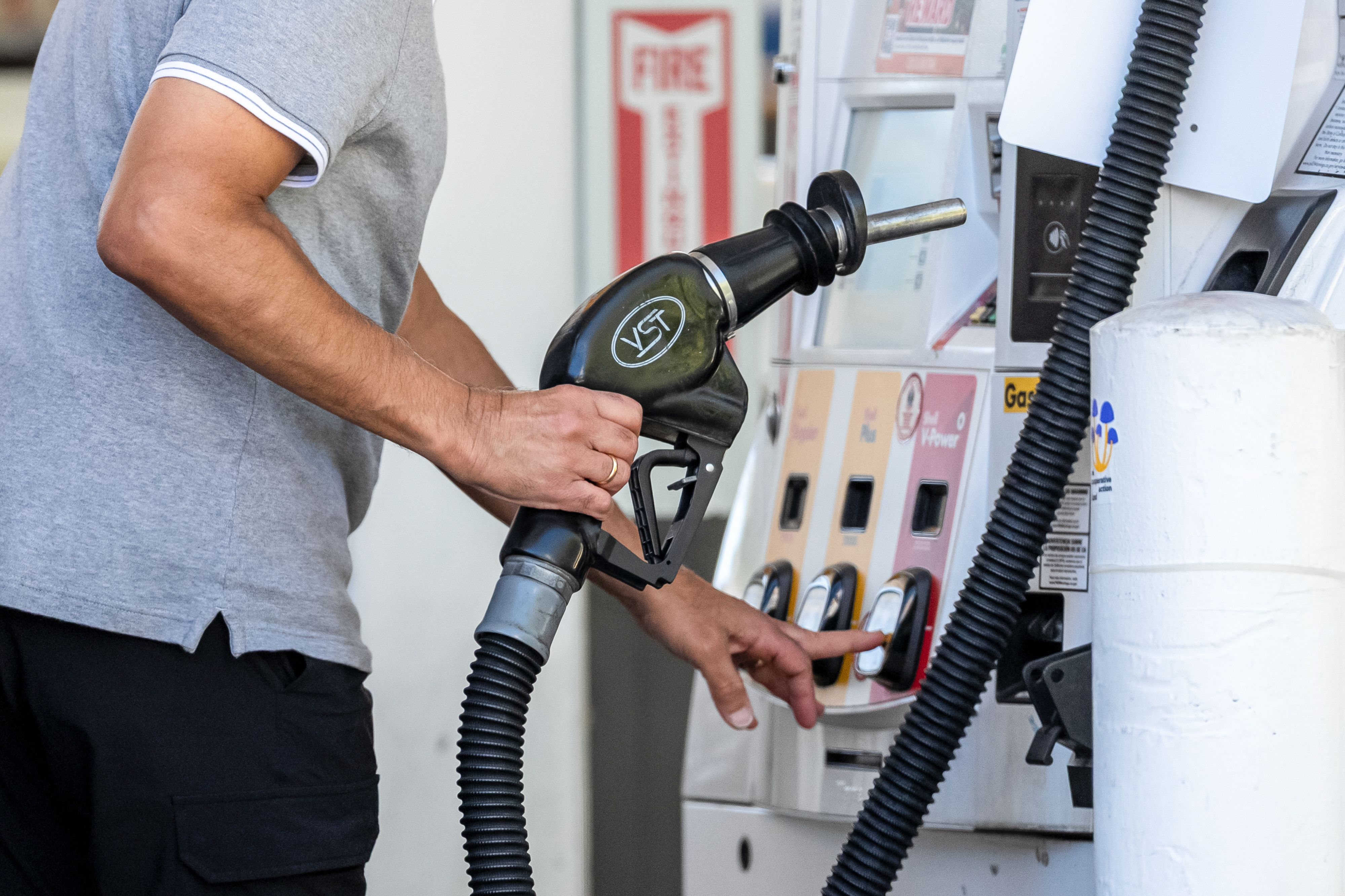
Linda French was hoping to visit her elderly brother, who is recovering from hip surgery, and her little great-nieces and nephews in New York this summer. But stubbornly high gas prices left her unable to afford to drive hundreds of miles from her Jonesborough, Tennessee home. Meanwhile, flying is also out of reach — the flight she took in March more than doubled in price just a few months later. Instead, the retired schoolteacher makes do with FaceTime calls, but she said it’s not the same. “You can’t hug your family,” said French, 78, lamenting that she can’t tickle her baby relatives’ toes and pinch their cheeks. “We’re all getting older. It’s hard not to see them.” A little more than six months after the US-Iran conflict began, gas prices remain far higher than they were in late February — when a gallon of regular gas cost $2.98, on average, nationwide, according to AAA. On Monday, drivers paid an average of $4.15 a gallon – a record high for Labor Day. Though gas prices retreated somewhat in the late spring and early summer, the dip was short lived. The average price of gas in August was the highest on record for that month at $4.07 a gallon, after crude oil prices hovered in the $80-a-barrel range as the Strait of Hormuz remained largely blocked, Aixa Diaz, AAA spokesperson, said. Last month’s average price was a dime more than in 2022, the last time prices surged, following the start of the Russian war against Ukraine. Higher fuel prices didn’t stop Americans from hitting the road this summer, but did end a multi-year streak of big spikes in travel. After steadily increasing after the Covid-19 pandemic, travel over the Memorial Day and July 4th holidays was projected to remain essentially the same as last year’s record highs, according to AAA. And drivers will likely continue feeling the pain this fall. Before this year, the national average price for gas on Labor Day had never been above $4 a gallon. In 2022, prices had fallen to $3.79 a gallon by the time the holiday came after hitting a record $5.02 in June of that year. Without there being an end to the fighting in the Persian Gulf and between Russia and Ukraine, gas prices are likely to stay elevated, at least through this fall, experts told CNN. “We’ll probably see our most expensive September, October and November, until something shifts with these geopolitical tensions,” said Patrick De Haan, petroleum analyst for GasBuddy. But he said with the latest outbreak of attacks between US forces and Iran, “that looks less and less likely.” French doesn’t think prices will ease in the coming months. She’s already canceled plans for family trips to Washington, DC, for Thanksgiving and to New York for Christmas. Harder to pay down debt The relentlessly high gas prices are exacerbating the affordability crisis affecting many Americans. The pain at the pump is compounded by elevated costs for food, electricity and housing. Colton Comstock, 28, opted to return home after college so he could sock away money to buy his own place and pay off his $60,000 in student loan debt more quickly. But his daily 75-mile round-trip commute to his job at a door and dock service company means he’s pumping a lot more money into his gas tank these days. “Rising gas prices is negating the fact that I’m living at home to save money,” said Comstock, a financial analyst who lives in Johnsburg, Illinois, and recently paid $4.55 a gallon. Determined to continue setting aside about $500 a month for a down payment, he’s had to reduce the extra funds he was funneling into his student loan account. And he’s only gone once to his family’s lake house about 100 miles away in Wisconsin — where he loves to stargaze and to talk to his brothers while they sit on the pier — instead of several times this summer. “I’m just trying to do nothing because you can’t afford anything,” he said. “So I just try to sit at home and chill.” And if gas prices remain high into early next year, he may have to take a more drastic step – selling his beloved 2023 Dodge Charger and buying a more fuel-efficient car. For Linda Cook, cooling off this summer means sitting in a small, inflatable pool in her backyard instead of taking an hour-long drive to a lake. High gas prices, along with elevated electric bills and Medicare premiums, have forced the New Paris, Ohio, resident to cut back on groceries and keep her home so warm that she doesn’t sleep well at night. A former business consultant who is now on disability, Cook has also had to cut out pedicures and buying a new swimsuit this summer — little pleasures that make her feel good. “When you don’t have a lot of money, you learn to be happy with small things,” said Cook, whose mother and sister passed away last year. “When it gets to the point where even those small things are difficult to come by, it makes life hard.”
Topics in this story
Gathered from external sources. Rights to this text belong to whoever originally published it.