Oil prices approach $100 as Middle East conflict flares, Goldman sees potential upside to $120
Brent oil prices approached $100 per barrel on Tuesday.
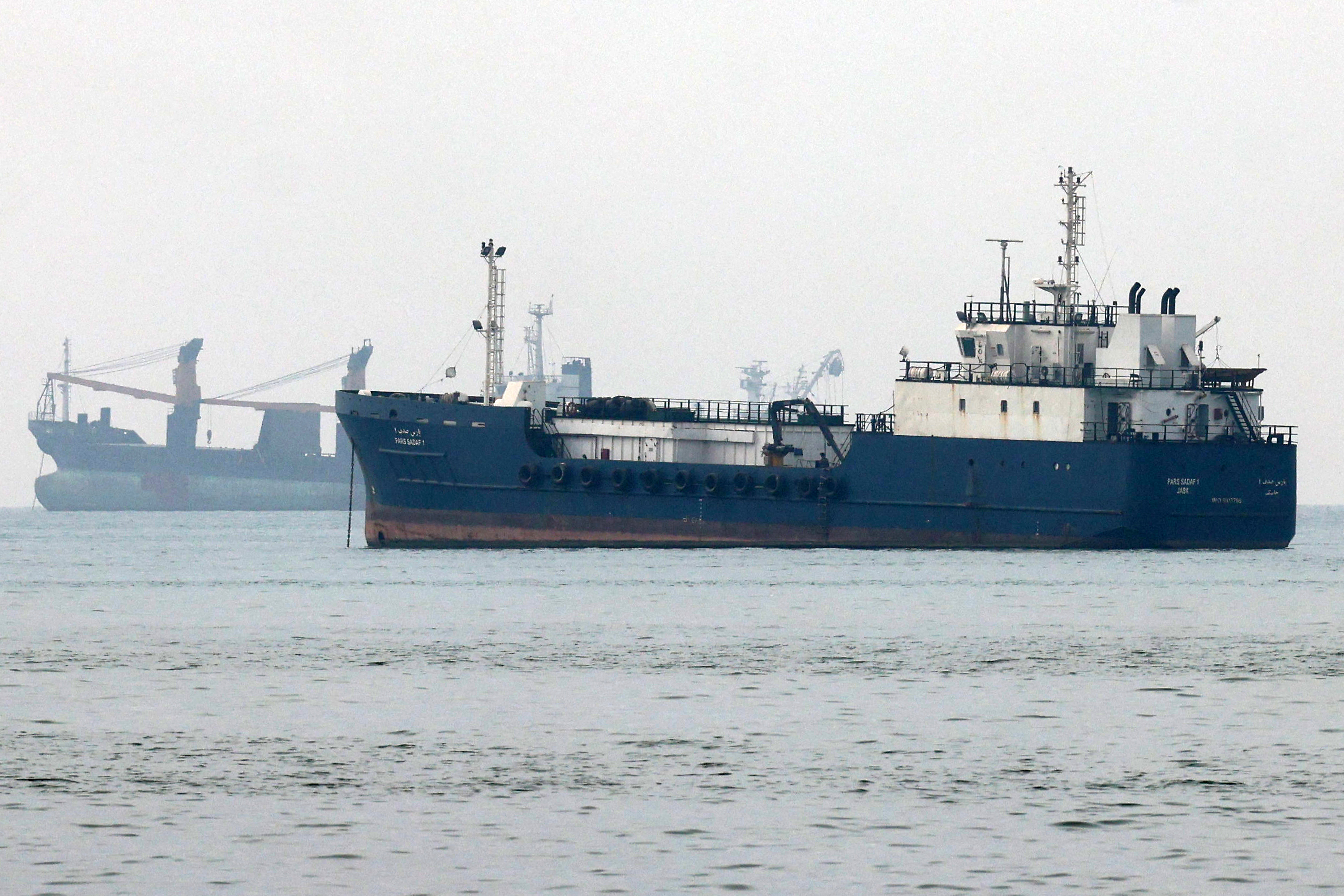
The price of the world's primary oil benchmark rose close to the $100 per barrel mark on Tuesday, approaching the key level for the first time in two months after a new wave of hostilities in the Middle East.
Futures on Brent crude ( BZ=F ) rose roughly 2.3% to trade near $98.50 per barrel after briefly crossing $99 earlier in the session, while those on US benchmark WTI crude ( CL=F ) picked up 2.7% to trade at $94 per barrel.
Pressuring the oil complex most immediately on Tuesday were reports that Saudi Arabia has halted operations at energy facilities throughout its southern region, per the kingdom's central press agency, after attacks claimed by the Houthi militant group that has been blockading Saudi oil shipping out of the Red Sea.
The attacks come as the United States and Iran have returned over the past two weeks to a more forcefully kinetic war than had been seen in roughly a month, pushing oil prices higher as worries grow over tightened supply.
The United States on Saturday struck three crude oil tankers belonging to the Iranian government after Tehran's Revolutionary Guard Corps launched a series of ballistic missiles at two US Navy warships in the region, per US Central Command.
Two of the three Iranian crude oil tankers were "permanently disabled," and the third was fully destroyed. No US service members were harmed, US Central Command said.
As the war enters its sixth month, the flare-up in conflict in the Middle East, combined with a global market supply deficit, prompted Goldman Sachs' oil strategy desk to raise its price targets for the two key benchmarks on Monday.
The bank's desk, led by head of oil research Daan Struyven, now sees international Brent and US WTI futures trading at $85 and $80 per barrel, respectively, in December, compared to prior forecasts that were $5 lower. Prices on Brent and WTI will likely trade at $80 and $75, respectively, in 2027, the strategists said.
Oil traders have maintained throughout the war and the disruptions to shipping in the Strait of Hormuz that prices for the key energy product should be far higher. Part of why they are not, Goldman Sachs strategists said Monday, is because drawdowns of commercial stocks held by private companies in OECD countries, which play a key role in setting clearing prices, have remained relatively small.
Drawdowns have instead occurred from global government Strategic Petroleum Reserves, from oil that had already been loaded onto ships at the start of the conflict, and from reserves held within China, which has lowered its crude imports to roughly 60% of last year's levels, per Goldman Sachs.
Topics in this story
Gathered from external sources. Rights to this text belong to whoever originally published it.