Stricter diagnostic lab rules for CGHS fuel double standards charge
While there has been lack of progress in the implementation of the Clinical Establishment Amendment Rules, 2018, which stipulate minimum standards for
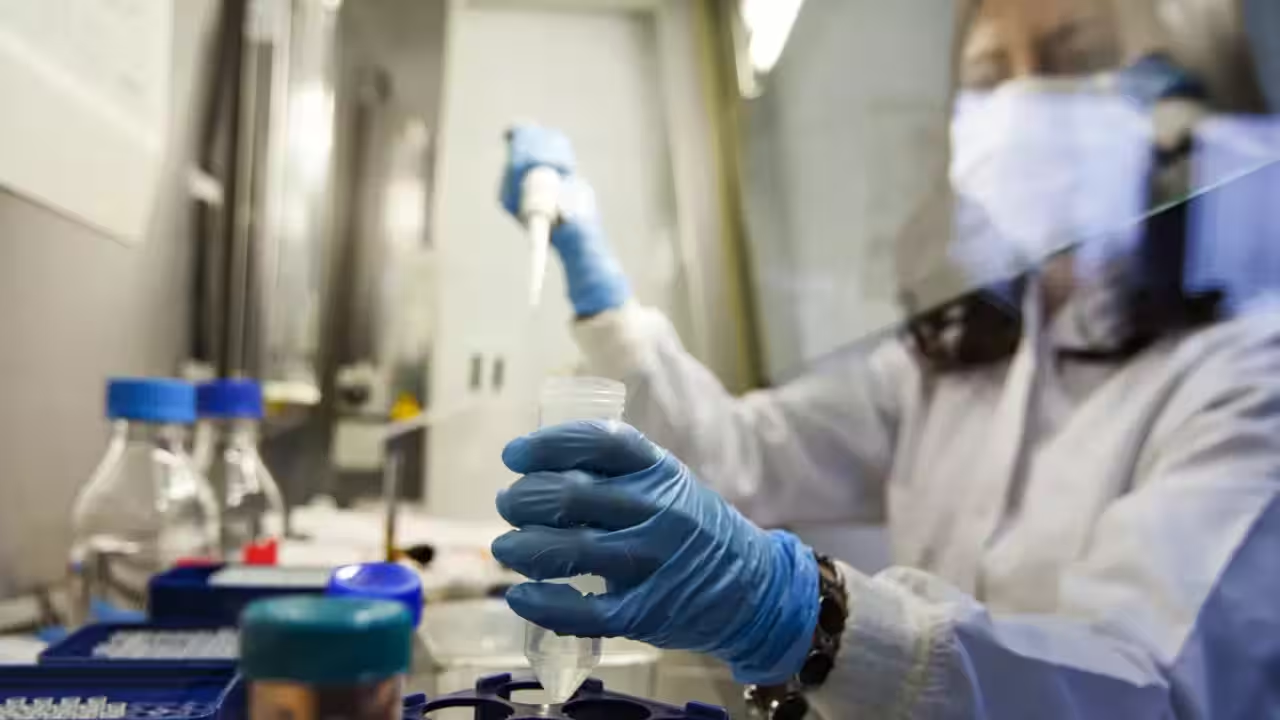
While there has been lack of progress in the implementation of the Clinical Establishment Amendment Rules, 2018, which stipulate minimum standards for diagnostic laboratories, the health ministry insists on only NABL-accredited labs with full-time pathologists and quality managers for beneficiaries of the Central Government Health scheme (CGHS).Guidelines for CGHS empanelment also prescribe a minimum patient volume of 100 per day in Tier I cities and 50 per day in Tier II, Tier III cities and northeastern states. They also stipulate consultants such as microbiologists and radiologists according to the services offered. Also included are specifications on the machines used in the lab such as a fully automated five-part haematology analyser, fully automated biochemistry analyser, hormone analyser and microbiology processing unit.“The government clearly recognises the importance of qualified pathologists, proper equipment, quality control and even insists on external accreditation when it comes to laboratories serving CGHS beneficiaries. The stringent requirements and extra safeguards set by the health ministry for CGHS seem to be an acknowledgment of the regulatory vacuum that pathology laboratories are operating in across the country and rampant incidence of fraud. Yet the ministry seems to be turning a blind eye to the plight of ordinary citizens,” said Malini Aisola of the All India Drug Action Network (AIDAN).Under the Clinical Establishment Rules, laboratories are divided into three categories -- basic composite, medium and advanced. The standards prescribe the scope of services, infrastructure, equipment, human resources, record maintenance and other operational requirements for each category. The human-resource provisions, subsequently amended in February 2020, specified the qualifications of laboratory technical heads, specialists and authorised signatories.The rules provide for appropriately experienced MBBS graduates and certain postgraduate science-qualified personnel in specified laboratory categories. For some non-medical signatories, reports must carry a disclaimer indicating that they are intended for use by medical practitioners and do not themselves constitute a medical diagnosis. The rules also place responsibility for the authenticity of the lab report on the authorised signatory. For certain specialised investigations, the framework recognises full-time, part-time or outsourced specialist arrangements.“When the Clinical Establishment Rules have these professional safeguards, why aren’t they good enough for CGHS beneficiaries? Unlike the CGHS guidelines, these rules do not impose a universal requirement for every diagnostic laboratory to have a full-time pathologist and a quality manager. Nor do they make NABL accreditation universally compulsory. Does the Ministry believe that patients covered under CGHS need greater protection than the millions of Indians who pay for laboratory investigations from their own pockets?” asked Dr Anan Jaiswal, a consultant pathologist who wrote to the PMO complaining about the “double standards”.You use AI every day. Now get your AI Quotient. Take the AIQ test.
Topics in this story
Gathered from external sources. Rights to this text belong to whoever originally published it.