Walt Disney mortgaged his house and sold his car to fund Snow White — his wife said she 'never felt secure'
Virtually all of the company’s value was created after Walt’s death in 1966.
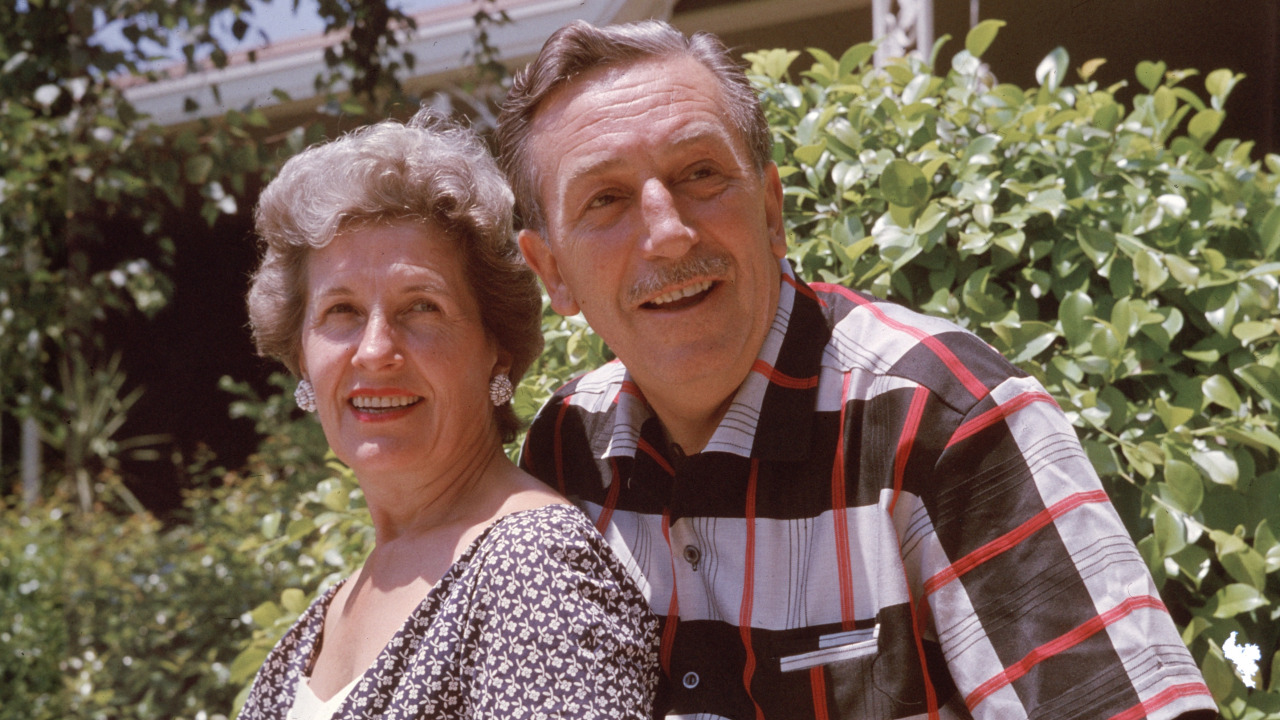
Walt Disney was a visionary who created a company that is arguably the leader in the entertainment field today. But he had to take a lot of risks, and that didn't always sit well with his wife Lillian.
Walt wasn't just an evangelist for his big ideas, he was a backer. In 1934, when he set out to make Snow White and the Seven Dwarfs , costs ran up to $250,000. While there were investors, the company still had trouble meeting the amount required to create the film, so Walt sold his car , mortgaged his house and borrowed against his life insurance to complete the film (which Hollywood reporters were calling "Disney's folly" before its release).
Jeff Bezos backs a platform that lets anyone invest in rental homes for as little as $100 — 6 ways to build wealth like a landlord without actually being one
Dave Ramsey warns nearly 50% of Americans are making 1 big Social Security mistake. Here's what it is and 3 simple steps to fix it ASAP
The tax breaks in Trump's 'big beautiful bill' expire after 2028. Here are 4 moves to make before the window closes
That wager paid off as Snow White would go on to gross $8 million in its first year (the equivalent of $188 million in today's dollars).
In the 1950s, Disney was making another bet, this time into the creation of Disneyland — and Lillian was concerned.
"I've always been worried. I have never felt secure. Never," she said. "He's always telling us how wealthy we are, how much we've got, and we haven't got anything."
The quote was dug up by the hosts of the Acquired podcast in an episode looking at the company's moonshot philosophy in its early days.
Disney, the hosts point out, did not hoard money. He lived a life that, at the time, would have been considered extravagant. And he struck deals with the company that increased his compensation beyond his $153,000 salary ($1.9 million in today's dollars). Chief among those was the formation of Retlaw Enterprises , a privately held company that controlled the merchandising rights to Walt's name, a cut (ranging from 5% to 15%) of Disney's merchandising deals, and the engineering division that designed Disneyland.
Retlaw (Walter, spelled backwards) was formed to give Walt's family a slice of the income from Disneyland and some other Disney operations. It would grow to own television stations and property by the early 1990s, but it sold those in 1998 .
Even if Walt hadn't kept reinvesting money into Disneyland and other projects, Lillian's concerns would have been valid.
Topics in this story
Gathered from external sources. Rights to this text belong to whoever originally published it.