GAO reasserts pocket rescissions’ illegality after Trump uses tactic to cancel nearly $1B
The U.S. Government Accountability Office (GAO) reasserted Tuesday that President Trump’s use of a “pocket rescission” to cancel $810 million in federal funding was unlawful. The letter by the government watchdog’s lead attorney, Edda Emmanuelli Perez, outlined under the Impoundment Control Act (ICA) of 1974, “the rescission proposals contained in the President’s September 25, 2026,…
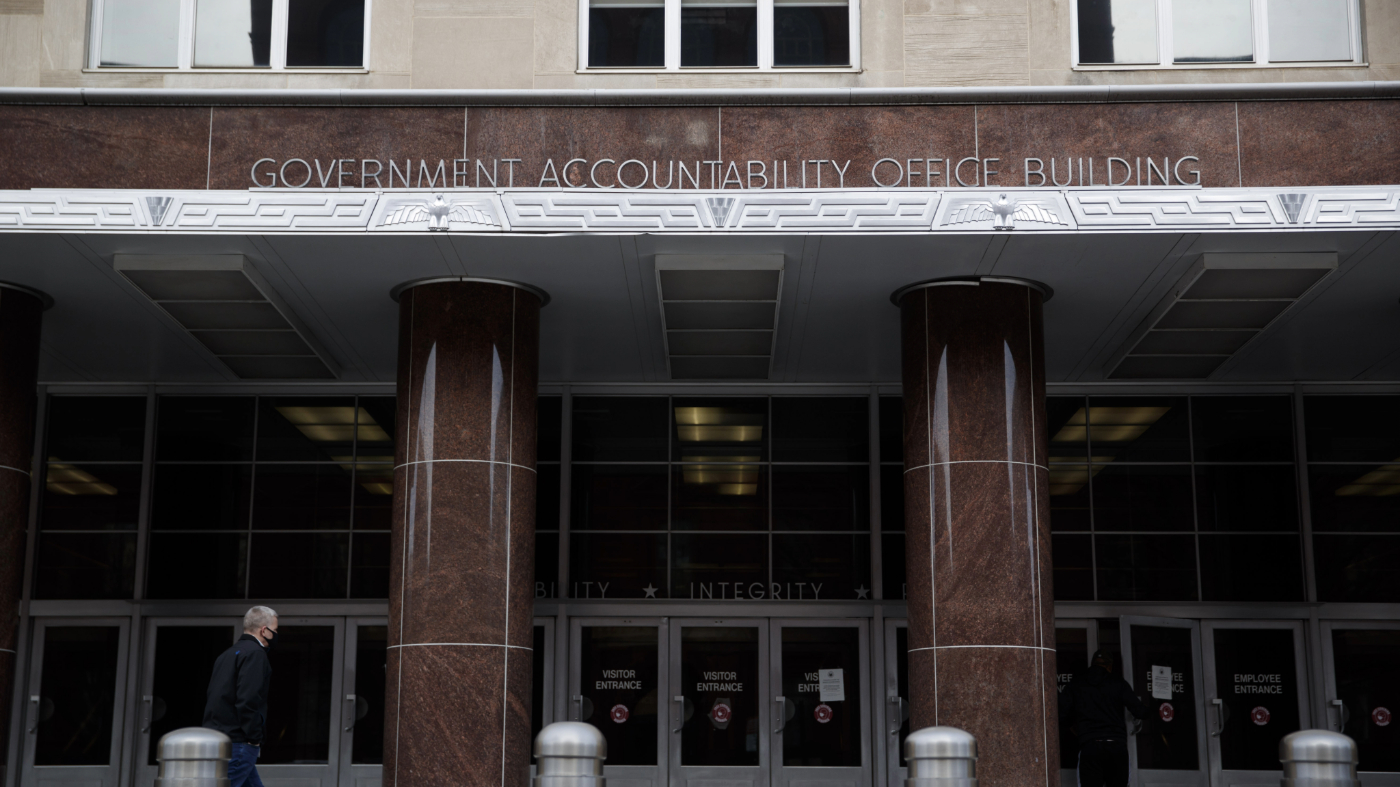
The U.S. Government Accountability Office (GAO) reasserted Tuesday that President Trump’s use of a “pocket rescission” to cancel $810 million in federal funding was unlawful.
The letter by the government watchdog’s lead attorney, Edda Emmanuelli Perez, outlined under the Impoundment Control Act (ICA) of 1974, “the rescission proposals contained in the President’s September 25, 2026, special message to Congress do not permit the President to withhold the appropriations.”
“The Constitution vests in Congress the power of the purse, and Congress did not cede this important power through the ICA,” the letter to congressional leaders continued. “The ICA permits only the temporary withholding of budget authority and provides that unless Congress rescinds the amounts at issue, they must be made available for obligation.”
Perez wrote that Trump’s withholding of appropriated funds beyond the expiration date “subverts both the constitutional process for enacting federal law and Congress’s constitutional power of the purse.”
“The President may not force the expiration of budget authority Congress has already enacted and did not rescind,” Perez added.
Trump’s cancellation halted funding primarily to Health and Human Services programs serving immigrants lacking permanent legal status and unaccompanied children in court.
He utilized the controversial “ pocket rescission ” process, which occurs when a president asks Congress to cancel already approved funding close to the conclusion of the fiscal year, which ends on Sept. 30, putting a hold on the money so it’s unlikely to ever be spent.
The GAO already found last year , when Trump first used the process to cancel foreign aid, that it was not legal but notably did not file a lawsuit.
The Supreme Court allowed Trump to use a “pocket rescission” in 2025, saying at the time that the government “at this early stage” made sufficient showing that the lawsuit is precluded under the ICA and that the plaintiffs cannot force the federal government to pay the funds.
Office of Management and Budget Director Russell Vought responded to the GAO report on social media Tuesday , saying it was “not a surprise.”
“GAO has become hyper partisan and Congress recently attempted to cut their spending because of it,” he wrote. Vought accused the GAO of changing its opinion on the issue “based on whether Democrats are in the White House.”
When asked for comment, the White House directed The Hill to Vought’s statement.
When the proposal was announced, Sen. Susan Collins (R-Maine), chair of the Senate Appropriations Committee, almost immediately weighed in, calling the process “unlawful.”
Her opinions were echoed by other Republicans on the Senate Appropriations Committee who are working with Collins to fight the rescissions and potentially include guardrails against the process in the next set of appropriations bills.
Topics in this story
Gathered from external sources. Rights to this text belong to whoever originally published it.