Palantir CEO Alex Karp quietly purchased 37,000 acres of forests in Sweden—and locals found out when hunters lost leases to use the property
Cladonia Skog AB, a newly registered company owned by Karp, said it would use the land for “forestry and other related activities.”
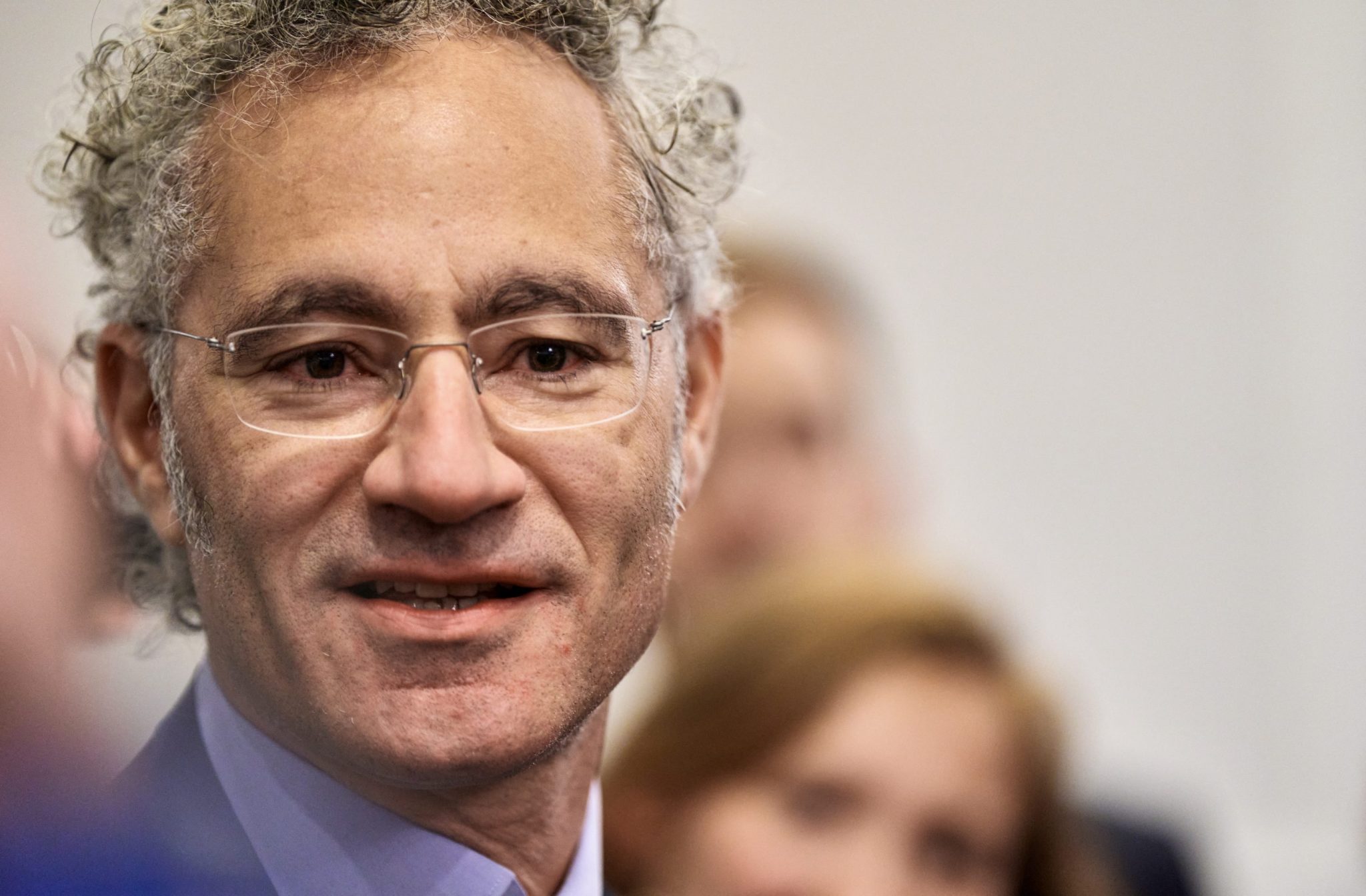
Palantir founder and CEO Alex Karp is best known in the U.S. for his controversial $450 billion AI defense company , but in Sweden, he's ruffled feathers for another reason: snapping up thousands of acres of land that's disrupted local hunting.
Karp has purchased 15,000 hectares (37,000 acres) of forest in Härjedalen, Sweden, through his newly registered company Cladonia Skog AB , of which he is the beneficial owner. The sale was reportedly for 235 million kronor, or $22 million. Swedish newspaper Tidningen Härjedalen first reported the deal.
The outlet spoke to hunters who had received notifications in the mail alerting them they could no longer lease the land to hunt south of the quiet village of Storsjö Kapell known for its hiking and fishing. Svenska Cellulosa Aktiebolaget (SCA), a paper manufacturer that previously owned the land, confirmed it had sold the property because it was suboptimal for forestry. Banning hunting on the grounds was part of the sales agreement.
"The transaction has already been completed, and terminating hunting agreements—whether for our own staff or external teams—linked to the land is a natural part of the sales process, as we can only grant hunting rights on land we own," SCA wrote in an email to Tidningen Härjedalen .
SCA did not immediately respond to Fortune 's request for comment.
Karp already has ties to Sweden through Palantir, which established a partnership with Swedish defense authorities, Palantir's Sweden Country Manager Anders Fridén confirmed earlier this year. Palantir expanded its offering software development in Europe about a decade ago, but the EU's continued use of the company's services has raised concerns about Europe's plans to wean itself of U.S. technology and AI .
Cladonia told Swedish media outlets it would use the land to "carry out forestry and other related activities." Scandinavian Trust, which brokered the deal, did not respond to Fortune 's request for comment, but has reiterated Cladonia's intention to preserve the land.
"The new owner of the forest property is committed to the beauty of the land and its preservation," Jenny Lopes Da Silva, a board member of Cladonia and a sales manager at Scandinavian Trust, said in a statement. "The vast, natural forest landscapes offer valuable habitats for plants and animals, while also serving as a place for recreation and restoration."
Purchasing natural lands has become a popular trend for the ultrawealthy , with farmland growing into a $4.3 trillion asset class in the U.S. alone, according to Steve Bruere, president of agricultural real estate firm Peoples Company. Land is a finite resource, meaning its demand will increase over time, along with its value, making it a reliable hedge against inflation and market volatility. In the U.S., the cost of land increased 4.3% year-over-year in 2025, averaging about $4,350 per acre, according to U.S. Department of Agriculture data .
Topics in this story
Gathered from external sources. Rights to this text belong to whoever originally published it.