72-year-old spent $280K on a caregiver cottage — now she's building a tiny-home village so her friends can age together
Kathie Schwartz’ plan to age in place can help protect her and her friends from the social isolation that’s common for older adults.
Kathie Schwartz recently spent hundreds of thousands of dollars to make sure her and her husband had a plan for aging.
Jeff Bezos backs a platform that lets anyone invest in rental homes for as little as $100 — 6 ways to build wealth like a landlord without actually being one
Dave Ramsey warns nearly 50% of Americans are making 1 big Social Security mistake. Here's what it is and 3 simple steps to fix it ASAP
A single line on your car insurance policy could be inflating your premium by up to 30% — here's what to change
Now she's trying to make sure all her friends have one too.
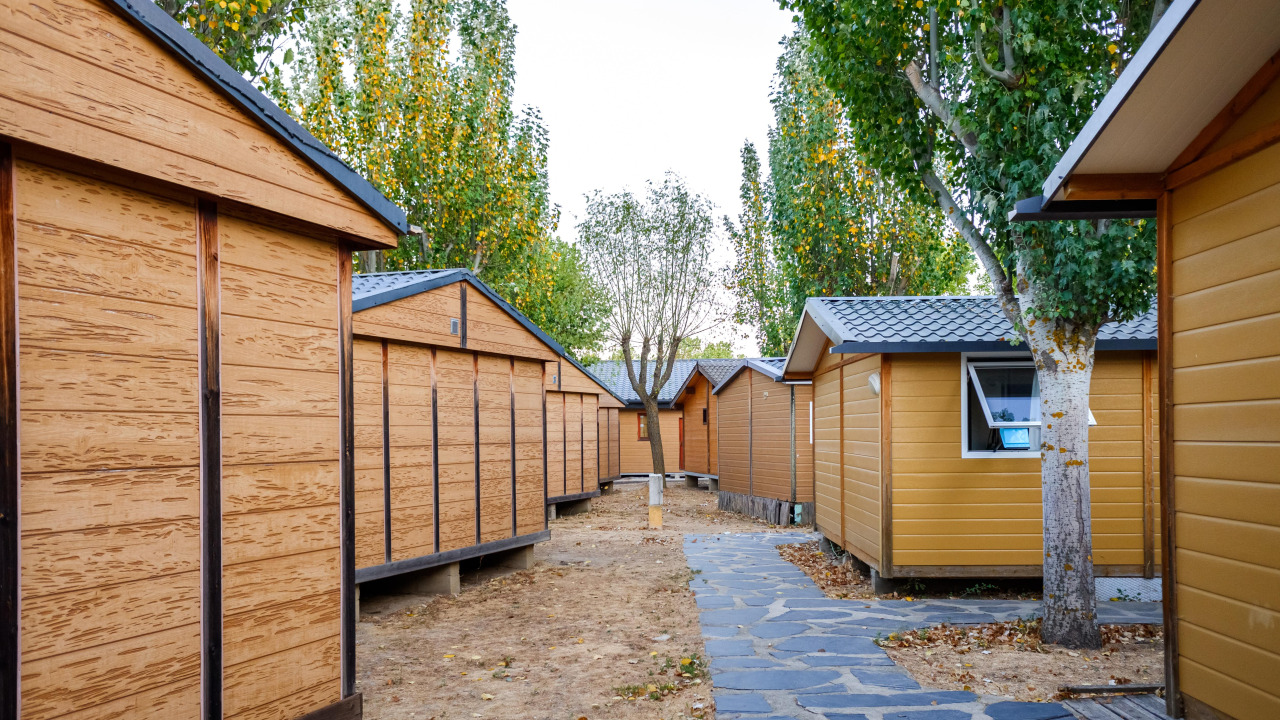
"We've decided to band together and plan for our futures," Schwartz told Business Insider. We've talked about buying a larger piece of property and putting a bunch of tiny homes on it so we can live together as a community."
This plan isn't just helpful for her friends who haven't yet planned for their future. It also helps protect Schwartz and her friends against social isolation — something that a quarter of Americans aged 65 and older have to deal with.
Here's what's behind Schwartz's plan to age in place within her community.
The California couple is building a community that isn't just blood-related family
Schwartz said that her planned community of tiny homes would let her stay in touch with friends she's close with.
"As you get older, you want to live somewhere you're comfortable and be around the people you care about," she told Business Insider. "Sometimes the people you consider family aren't necessarily your birth family — your friends become your community and support system."
Many people expect adult children to become their parents' primary caregivers once their parents start having more significant healthcare needs. But that can be tough on the children , and some children might refuse to take on a caregiving role outright or not perform the role in a way that completely addresses their parents' needs.
Social needs are something that can easily fall by the wayside. As older adults retire, lose friends and family, and become unable to drive or use public transport, fulfilling social needs gets harder .
The risks of social isolation are significant. People who are socially isolated report worse cognitive performance and quicker cognitive decline than people who aren't. Social isolation can also increase your risk of dementia , heart disease, and stroke.
"We see older adults every day who are disconnected from their community ," said Traci Dobronravova, director of Seniors At Home, in an article on their website. "Social isolation and the associated health risks for seniors is a critical issue facing our community."
Topics in this story
Gathered from external sources. Rights to this text belong to whoever originally published it.