The World’s Drinks Order Is In. Distillers Were Expecting More.
It’s the corporate equivalent of ordering too much alcohol for a party where half the guests turn out to be dry. Except with billions of dollars at stake.
It's the corporate equivalent of ordering too much alcohol for a house party where half the guests turn out to be dry. Except with billions of dollars at stake and a no-returns policy.
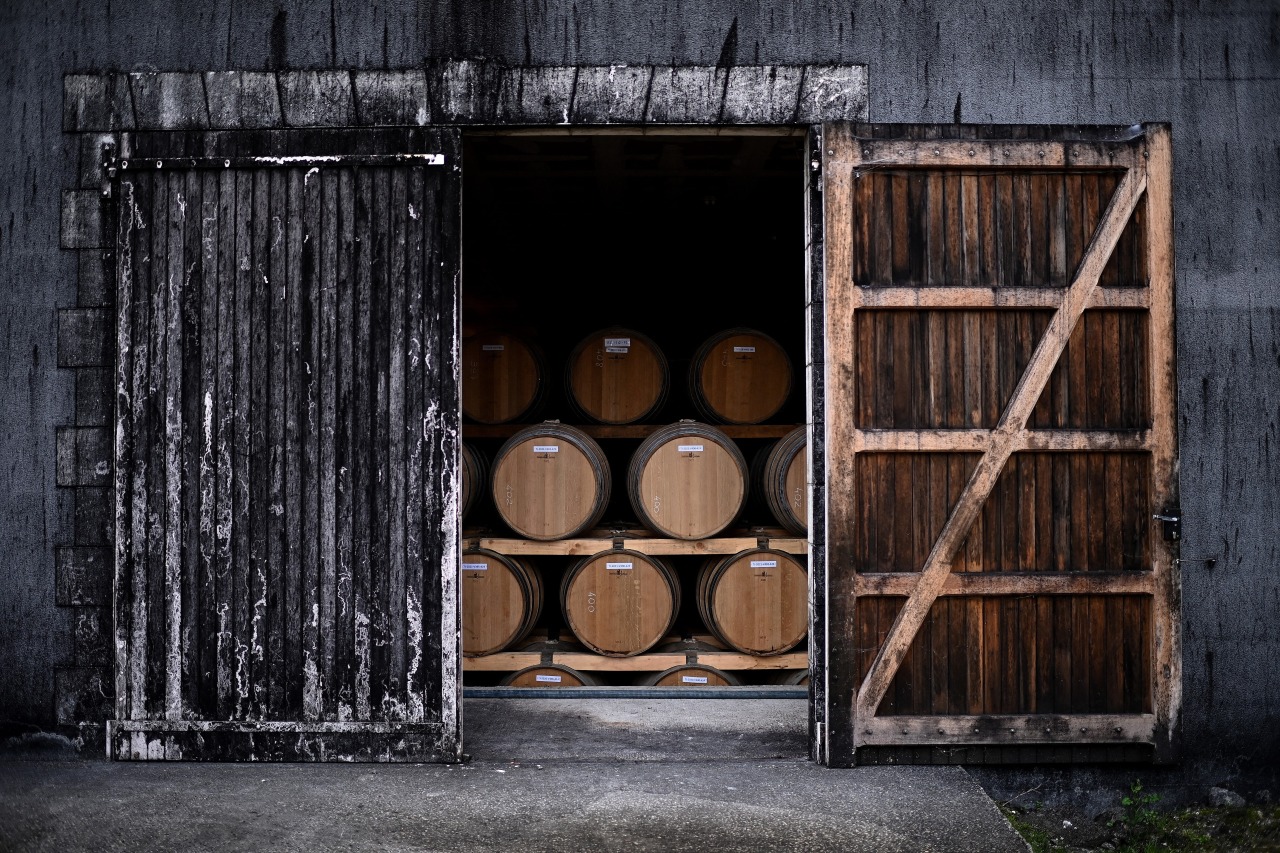
Distillers' warehouses are crammed with barrels of aging spirits laid down in better times that fewer people want to drink these days. The problem doesn't only affect bourbon in the U.S. There is a global glut of cognac, Irish whiskey and Scotch whisky too. Investors tempted by alcohol companies' low stock-market valuations should look at their saturated balance sheets first.
When aged-spirits distillers are deciding how much new stock to lay down each year, they have to make an educated guess about what demand will look like when the alcohol matures. "Barrels in a warehouse are physical forecasts that were made years ago," says Koryn Ternes, a consulting director at IWSR, an industry data provider.
For a VS cognac, that means projecting what will happen in two years. A higher quality XO cognac requires foresight of at least a decade. Maturing inventories show up as assets on distillers' balance sheets until they are bottled and sold.
Forecasts have been wildly off lately. Major drinks companies invested heavily in stocks between 2021 and 2024 when the industry was booming. Then demand fell off a cliff. Sales at Rémy Cointreau, the owner of Louis XIII Cognac, have collapsed 40% since peaking in the company's fiscal year that ended in March 2023. Makers of spirits that don't need aging like vodka also face lower demand, but they have been able to adjust production to the new reality.
Some of the reasons for lower alcohol demand, such as tariffs, were out of the industry's control. Canada pulled American-made drinks off the shelves as part of its trade war with the U.S. Similarly, President Trump's tariffs on EU imports are hurting European distillers like Diageo and Rémy Cointreau that have high exposure to the U.S. market. Demand for posh cognac also has collapsed in China where consumer sentiment is weak.
But rapid changes in attitudes toward alcohol have also caught distillers off guard. Moderation is in fashion and the share of Americans who say they drink alcohol hit a record low of 54% in 2025, according to a Gallup poll. The shift to sobriety is jarring considering alcohol consumption was so high during the pandemic.
Topics in this story
Gathered from external sources. Rights to this text belong to whoever originally published it.