4 big wins that come with housing affordability
While federal legislation like the 21st Century ROAD to Housing Act provides some relief, experts argue that local efforts to revitalize existing buildings and improve housing quality offer broader benefits for the economy, public health, community stability, and the environment.
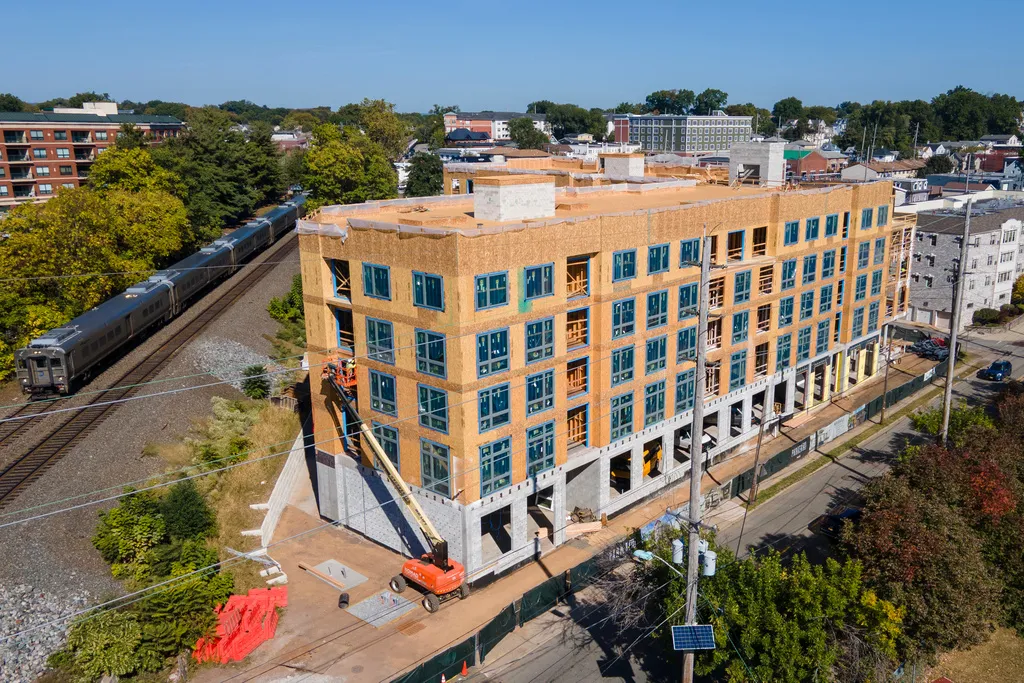
Affordability is Washington’s topic du jour, as both parties scramble to address it ahead of the midterms. For millions of Americans, however, affordability isn’t a slogan, it’s the difference between staying in communities they love or being forced to leave them. This is especially true for affordable housing.
The housing bill Congress passed — the 21st Century ROAD to Housing Act — is being hailed by both parties as a win. Although the bill contains meaningful measures — capping the number of homes investors can buy, allowing preapproved housing designs for faster approval, and enabling manufactured homes to be lighter and more affordable — it won’t make a big dent in housing and rental prices.
Housing that is affordable is within our reach, however. Many of the most effective solutions are in cities and counties, which control key decisions around zoning, permitting, redevelopment and building codes. If done right, there are four ways that affordable housing can be good for our communities and country.
First, on the economy, the rule of thumb on rents is that no more than 30 percent of gross monthly income should go towards housing costs. In many places , it is well above this. The more salary spent on housing, the fewer resources to spend on anything else. Unaffordable housing costs also undermine businesses’ ability to recruit and retain employees and remain productive, all of which negatively impacts economies. Free up those dollars and economies are better off.
One way is to rehabilitate downtowns. Vacant lots and abandoned housing stock can be retrofitted to meet housing needs. Oakland , Chicago , Indianapolis , Louisville and Charleston are working with little-used legal processes, land banks, and organizations like Habitat for Humanity to go from “ vacant to vibrant .”
Investors are proving it can be done, partnering with local governments, like Charlotte and Mecklenburg County in North Carolina, to ensure affordable housing can be profitable for financial firms and communities. Revitalizing existing neighborhoods can stimulate local businesses, strengthen municipal tax bases, and create economic opportunity without leading to sprawl; all it takes is ingenuity.
Second, on human health. Affordable housing’s history is one characterized by unhealthy living conditions. When healthy living isn’t prioritized in affordable housing construction and maintenance, community costs are widespread. Poor housing conditions are associated with a “ wide range of health conditions, including respiratory infections, asthma, lead poisoning, injuries, and mental health.” This impacts everyone, from worker absenteeism to frequent hospital visits, adding to a municipality’s financial burden for uncompensated emergency care and public employee healthcare obligations.
As U.S. cities add more affordable housing, the health of those residents should be top priority. Recently, over 300,000 new affordable apartments went up nationwide, with Seattle and New York each adding over 14,000 units . San Antonio, Phoenix and Charlotte recorded the “ fastest growth in affordable housing for renters among major U.S. metros.” Yet, affordable housing should not simply mean lower rent, it should mean that homes are safe, healthy, efficient and support well-being. And since new building materials also have associated health and environmental harms, non-toxic alternatives will be essential.
Third, on strong communities and public safety. We know that affordable housing creates more stable neighborhoods by reducing residential turnover, improving local economic health and preventing displacement. In economic diversity zones with affordable housing, children thrive. When selecting sites, revitalizing existing housing stock can transform underused areas into thriving neighborhoods, while improving public safety and overall quality of life — as communities with fewer vacant lots and neglected properties experience lower crime, greater civic engagement and stronger local economies.
The way forward, then, is a mix of affordable rental and homeownership, like Boulder County Housing Authority’s latest project in Colorado demonstrates. Expanding opportunities for attainable homeownership is one powerful way to build long-term financial security, especially in Colorado, one of America’s least affordable homeownership markets. Research consistently links homeownership to higher graduation rates, better health outcomes for children, greater household wealth and stronger neighborhood investment. As the dream of homeownership stagnates — half of U.S. adults own homes — preserving pathways to ownership should be prioritized alongside affordable rental options.
Fourth, on the environment. Affordability is about creating homes that remain affordable to own, operate and live in. Healthy and energy‑efficient homes cost less to run , lower utility bills, reduce maintenance expenses, and help prevent the health risks associated with deteriorating living conditions. Renovating, retrofitting and reusing existing buildings does the same. It preserves neighborhood character while avoiding much of the financial and environmental cost of demolition and new construction.
American Institute of Architects suggests the nation’s existing building stock is an untapped opportunity to advance housing affordability and climate progress. It’s why communities are converting underused commercial buildings into housing in Minneapolis, Denver, New York, San Francisco and Seattle. These projects reduce waste, revive neighborhoods, and expand housing options, avoiding the carbon footprint associated with new buildings. The built environment accounts for nearly 40 percent of global greenhouse gas emissions, so renovating and reusing existing buildings is smart housing, economic and environmental policy.
As Washington debates affordability, let’s make sure that affordable housing is not simply about lowering rents and prices. When we invest in housing that is healthy, safe and accessible, we witness other wins like economic opportunity, stronger neighborhoods, lower public costs, and a more sustainable future. That’s something both parties should fight for.
Michael Shank is an adjunct professor at New York University’s Center for Global Affairs and George Mason University’s Carter School for Peace and Conflict Resolution. Susie Strife is the sustainability director for Boulder County, Colo., and an affiliate faculty member at the University of Colorado Boulder, where she teaches graduate courses in sustainability and climate leadership.
Topics in this story
Gathered from external sources. Rights to this text belong to whoever originally published it.