Retirement Planning for People Without Kids: Preparing for Long-Term Care and Estate Management
Being child-free can offer more flexibility in retirement planning, but it also means thinking differently about everything from healthcare to estate documen...
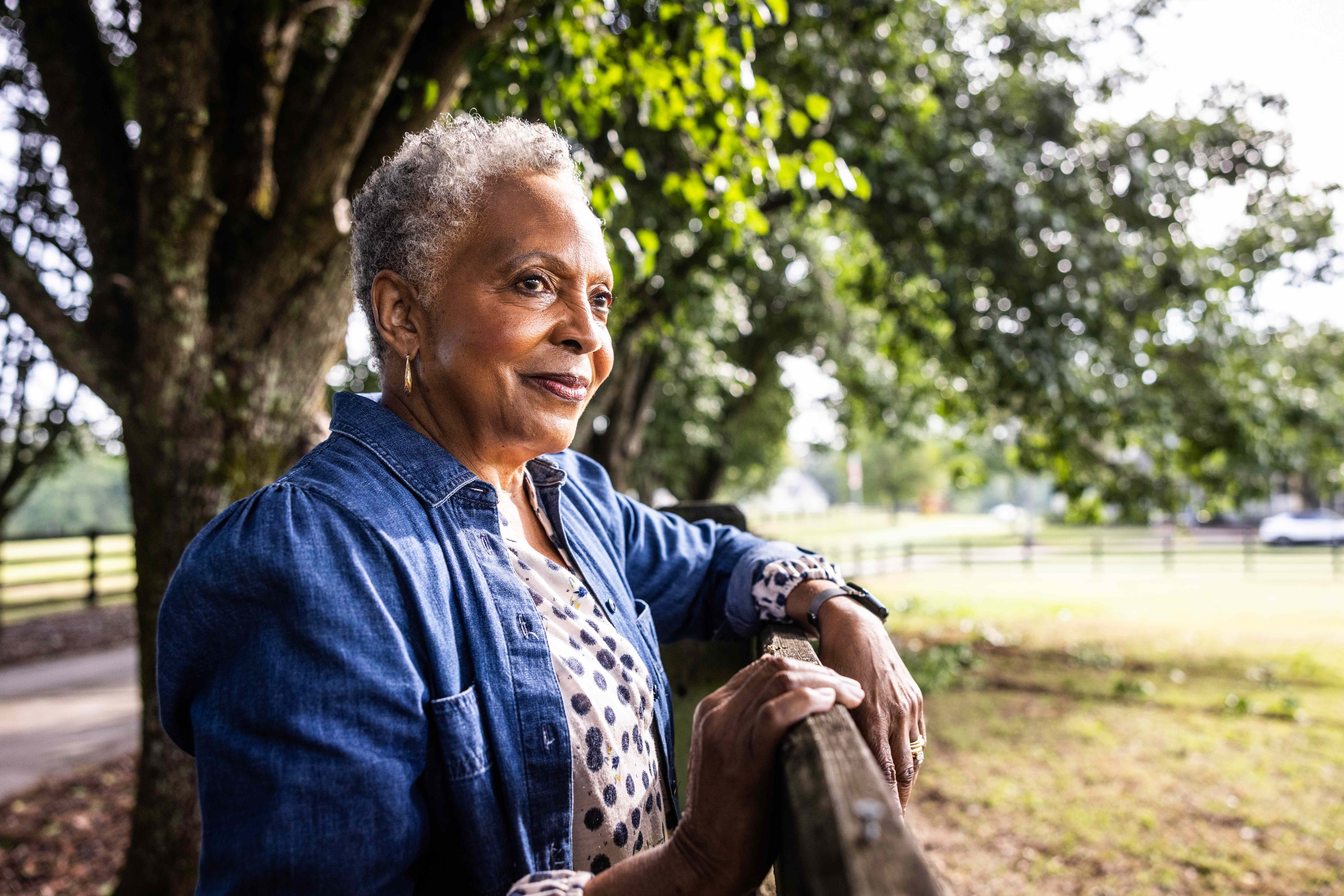
Child-free retirees often enjoy more flexibility but must proactively plan for long-term care and estate decisions.
Without heirs, the focus shifts from legacy building to safe spending, optimal risk taking, and tax-smart asset drawdowns.
Naming trustworthy proxies and setting up proper beneficiary structures is particularly important when kids aren't in the picture.
Not having kids might mean fewer financial obligations, but it doesn't automatically make easier.
In fact, comes with its own set of complexities, from healthcare costs to estate decisions. Here's what child-free adults should know when planning for .
Without children, many adults have fewer day-to-day expenses and more discretion over how—and when—they spend their money.
"For most clients without kids, legacy planning is not a concern," said Alex Caswell , founder of Wealth Script Advisors. As a result, they are often laser-focused on determining how to during retirement and spend it down to zero, he said.
That shift can open the door to more aggressive investments, said Samantha Mockford, an associate wealth advisor at Citrine Capital .
"If an account will likely not be drawn from for years or even decades, then it can be invested more aggressively," she said. "Its value can go through sharp dips and spikes without impacting anyone's household cash flow."
Alternatives like and supporting nieces, nephews, or younger friends often take the place of direct inheritance, according to Mockford.
"You don't have to be a parent to love kids and invest in the next generation," she said.
Though having no children may mean looking beyond estate planning , Caswell cautions that retirement still requires a lot of care and thought: "The only part of retirement that is easier without kids is saving more money , but even then, someone can try to plug the hole of not having kids with an expensive lifestyle."
Even with more financial freedom, is essential.
The biggest concern "is how to make sure they have enough money in case they need to go into a long-term care facility," Caswell said.
While many parents might expect adult children to help, child-free individuals need a dedicated backup plan, especially when no family caregiver is in place.
This means child-free retirees should be particularly intentional about exploring options like , which can cover expenses for assisted living or in-home care, and , which provide tax-free savings for qualified medical expenses.
Topics in this story
Gathered from external sources. Rights to this text belong to whoever originally published it.